27.02.2025
You have a pounding heart. Here’s how to normalize it in 1 minute, without medication
A pounding heart, or palpitations, can be alarming. While occasional palpitations are often harmless, frequent or severe episodes warrant medical evaluation. Here’s how to try and normalize a pounding heart in a minute, along with important caveats:
Techniques to Try (Vagal Maneuvers):
These techniques stimulate the vagus nerve, which can help slow down your heart rate.
- Valsalva Maneuver (Caution):
- This involves bearing down as if you’re having a bowel movement.
- How to do it: Close your mouth, pinch your nose, and try to exhale forcefully for 10-15 seconds.
- Caution: This maneuver can cause a temporary drop in blood pressure, so it’s not recommended for people with heart conditions or high blood pressure. Do not perform this maneuver if you have any heart conditions.
- Coughing:
- Coughing forcefully and repeatedly can sometimes stimulate the vagus nerve.
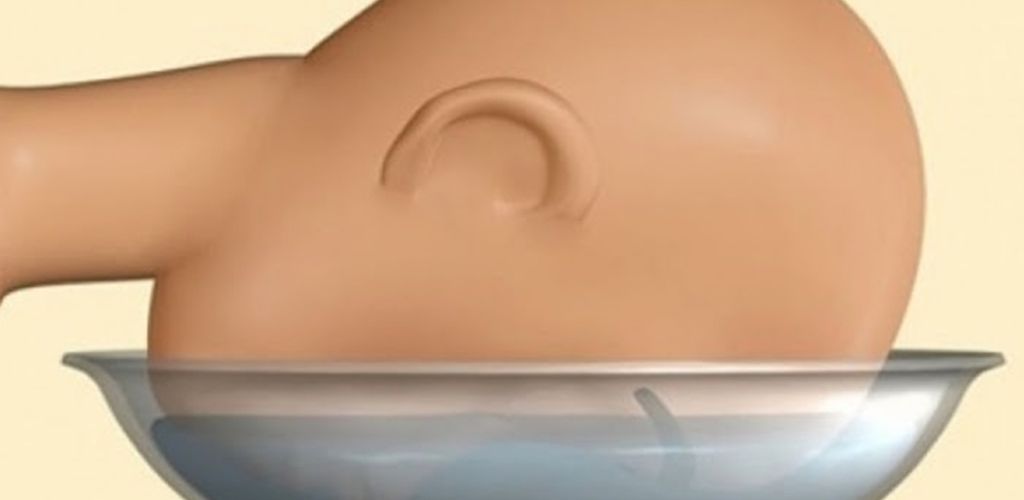
- Cold Water Immersion:
- Splashing cold water on your face or applying a cold compress to your forehead can sometimes slow down your heart rate.
- This triggers the “diving reflex,” which can slow the heart.
- Carotid Sinus Massage (Requires Professional Guidance):
- This involves gently massaging the carotid artery in your neck.
- Caution: This should only be performed by a healthcare professional, as improper technique can be dangerous. Never attempt this on yourself.
- Deep Breathing:
- Take slow, deep breaths, inhaling deeply through your nose and exhaling slowly through your mouth.
- This can help calm your nervous system and slow your heart rate.
Important Considerations:
- Underlying Causes: Palpitations can be caused by various factors, including:
- Anxiety or stress
- Caffeine or alcohol consumption
- Dehydration
- Certain medications
- Heart conditions (e.g., arrhythmias)
- Therefore, if you have frequent or concerning palpitations, it’s essential to consult a doctor.
- When to Seek Immediate Medical Attention:
- If your palpitations are accompanied by:
- Chest pain
- Shortness of breath
- Dizziness or lightheadedness
- Fainting
- These symptoms could indicate a serious heart condition.
- If your palpitations are accompanied by:
- These techniques are not a cure: These techniques may temporarily slow down a rapid heart rate, but they don’t treat the underlying cause.
- Do not rely on these techniques in place of medical help: If you have serious heart problems, these techniques are not a replacement for professional medical care.
In summary:
While vagal maneuvers can sometimes help slow down a pounding heart, they are not a substitute for professional medical advice. If you have frequent or concerning palpitations, seek medical attention.