09.03.2025
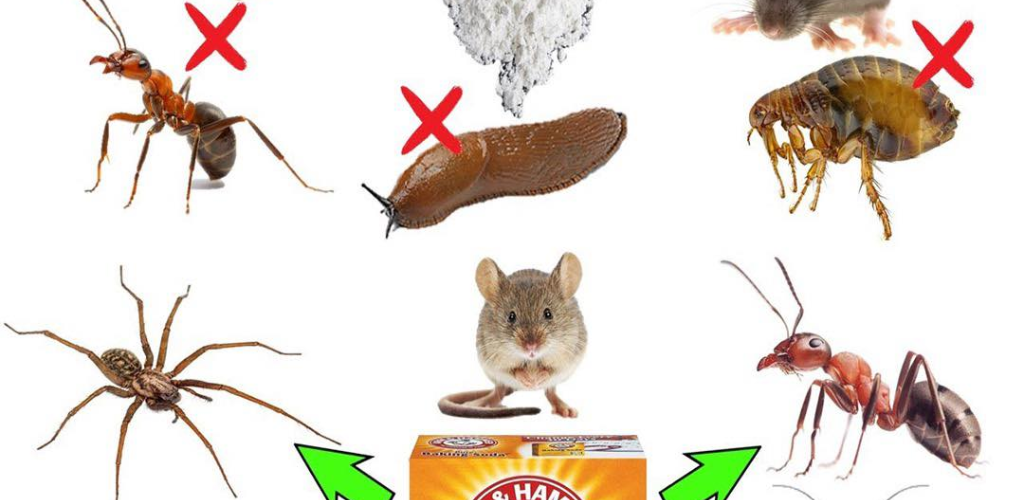
How to use baking soda to get rid of pests – COCKROACHES, FLEAS, ANTS, MOTHS, MICE/RATS, SPIDERS and more
Baking soda is a versatile household item that can be used for various purposes, including some pest control. However, it’s important to understand its limitations. While it can be helpful, it’s not a guaranteed solution for all pest infestations. Here’s a breakdown:
How Baking Soda Works:
- Baking soda (sodium bicarbonate) can affect certain insects by disrupting their digestive system or by causing desiccation (drying out).
- It can also disrupt scent trails used by some insects, like ants.
Pest Control Uses:
Here are some ways baking soda is sometimes used, along with important notes:
- Ants:
- Baking soda can disrupt ant trails.
- Mix equal parts baking soda and sugar. The sugar attracts the ants, and the baking soda disrupts their digestive system.
- Sprinkle baking soda along ant trails and around entry points.
- Important: This may reduce numbers, but won’t eliminate a large colony.
- Cockroaches:
- There are claims of baking soda and sugar mixtures being effective against roaches.
- However, professional pest control is often required for roach infestations, due to the resilience of this insect.
- Important: Relying solely on baking soda will likely not resolve a cockroach issue.
- Fleas:
- Baking soda can be sprinkled on carpets and furniture, then vacuumed up, which may help to desiccate flea eggs and larvae.
- Important: This is a supplemental measure and not a complete flea control solution. Fleas infestations require multiple treatments including pets and bedding.
- Spiders:
- Baking soda isn’t particularly effective against spiders.
- Maintaining a clean and clutter-free environment is a more effective way to deter spiders.
- Moths:
- Baking soda can help deodorize areas where moths may be present, which can indirectly deter them.
- Important: Remove their food source like clothes, and grains. Using things like cedar or lavender are more effective deterrants.
- Mice/Rats:
- Baking soda is not an effective rodenticide.
- Rodent control requires traps, baits, and sealing entry points.
- Important: Rodents can pose health risks, so professional help is often necessary.
Important Considerations:
- Limitations: Baking soda is not a powerful pesticide. It may have limited effectiveness, especially for large infestations.
- Safety: Baking soda is generally safe for humans and pets, but avoid excessive inhalation.
- Prevention: The best way to control pests is to prevent them from entering your home in the first place. This includes:
- Keeping your home clean and free of food debris.
- Sealing cracks and crevices.
- Storing food in airtight containers.
- Professional Help: For serious pest infestations, it’s always best to consult a professional pest control service.
In summary, baking soda can be a helpful, non-toxic addition to your pest control efforts, but it’s not a replacement for professional pest control when needed.