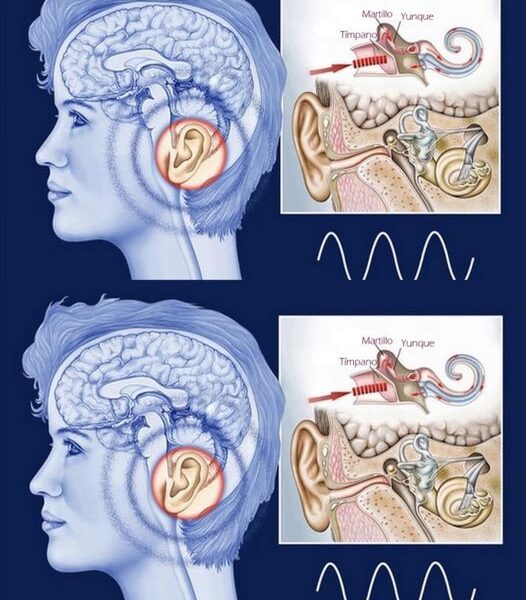
Why Do I Feel a Ringing in My Ear? Causes and Solutions
Have you ever heard a persistent ringing, buzzing, or humming in your ear with no external source? If so, you’re not alone. This phenomenon is known as tinnitus, and it affects millions of people around the world. For some, it’s a mild annoyance, while for others, it can significantly disrupt daily life and sleep. Understanding what causes tinnitus — and how to manage or reduce it — can make a big difference in your well-being.
What Is Tinnitus?
Tinnitus is the perception of sound in the absence of an external source. Most commonly, it presents as a ringing, but it can also sound like:
- Buzzing
- Hissing
- Clicking
- Roaring
- Whistling
Tinnitus can affect one or both ears and may be constant or come and go. The intensity and pitch can vary from person to person.
Common Causes of Ringing in the Ear
There are many potential triggers for tinnitus, and it’s important to identify the underlying cause to find the right solution. Here are the most common reasons:
1. Exposure to Loud Noises
Prolonged or sudden exposure to loud music, machinery, or explosions can damage the tiny hair cells in your inner ear, leading to temporary or permanent tinnitus.
2. Age-Related Hearing Loss (Presbycusis)
As we age, our hearing ability naturally declines. Tinnitus is often one of the early signs of this process.
3. Earwax Blockage
A buildup of earwax can block the ear canal and cause pressure, irritation, or even hearing loss — all of which may trigger ringing.
4. Ear or Sinus Infections
Infections can cause inflammation or fluid buildup in the ear, leading to temporary tinnitus. Once the infection is treated, the symptoms usually disappear.
5. Certain Medications
Some drugs, such as high doses of aspirin, antibiotics, or diuretics, can have a side effect called ototoxicity, which affects hearing and causes ringing.
6. Medical Conditions
Tinnitus can also be linked to conditions like:
- Meniere’s disease
- High blood pressure
- Temporomandibular joint (TMJ) disorders
- Diabetes
- Head or neck injuries
Natural and Medical Solutions for Tinnitus
Although there’s no universal cure for tinnitus, there are many ways to reduce its impact or even eliminate the ringing entirely — depending on the cause.
1. Avoid Loud Noises
Wear ear protection in noisy environments and reduce the volume of headphones or speakers to prevent further damage.
2. Remove Earwax Safely
Visit a doctor to remove earwax using safe, non-invasive methods. Avoid cotton swabs, which can push wax deeper.
3. Manage Stress
Stress and anxiety can worsen tinnitus. Techniques such as deep breathing, yoga, meditation, or listening to calming music may help ease symptoms.
4. Diet and Lifestyle Changes
Reduce caffeine and alcohol, avoid nicotine, and stay hydrated. These small adjustments can improve blood flow and reduce inner ear irritation.
5. Hearing Aids or Sound Therapy
If hearing loss is a factor, hearing aids can amplify ambient sound, making the ringing less noticeable. White noise machines or tinnitus masking devices are also helpful.
6. Medical Treatment
If an underlying condition like an infection or TMJ disorder is identified, treating that condition often relieves tinnitus as well. Always consult an ENT specialist or audiologist for a full evaluation.
When to See a Doctor
You should consult a healthcare professional if:
- The ringing is persistent or worsening
- It affects your sleep or daily life
- You experience dizziness, hearing loss, or pain
- The sound is only in one ear
These could be signs of a more serious underlying issue that needs professional care.
Tinnitus can be frustrating and even frightening, but you’re not alone — and there are many ways to manage it. Understanding the causes is the first step toward finding relief.
If this article helped you or someone you know, please like, share, and spread the word. Let’s raise awareness about tinnitus and support each other on the journey to better ear health. 👂💬💙