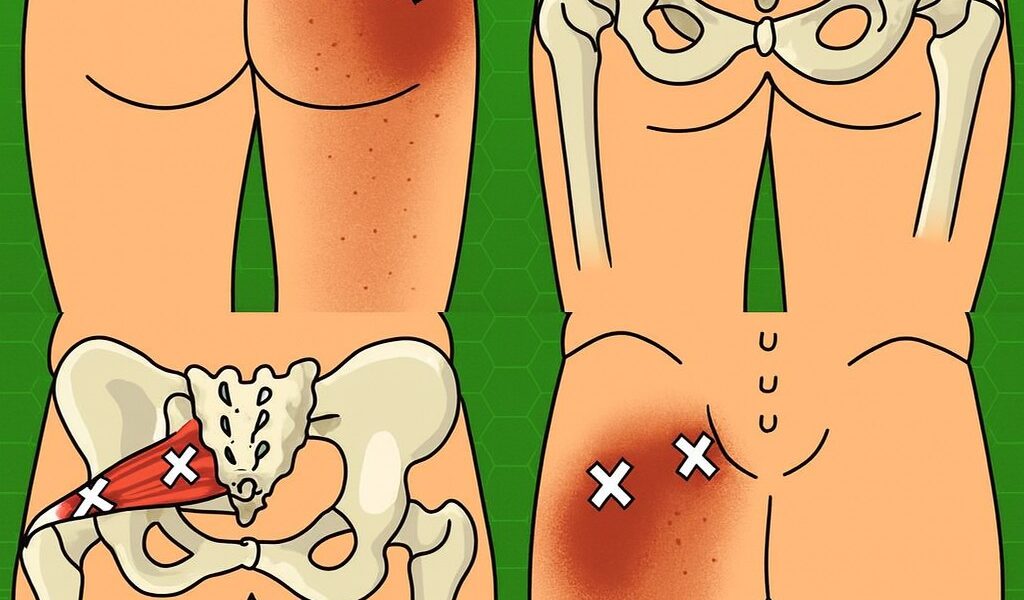
🩺 Use These Techniques to Relieve Sciatica, Hip, and Lower Back Pain – Gentle, Effective, and Backed by Experts
Sciatica, hip discomfort, and lower back pain can make even the simplest daily activities feel exhausting. Whether the pain is sharp and shooting or dull and persistent, it can affect your mobility, your mood, and your overall quality of life. The good news is that there are safe, practical techniques you can use at home to help reduce discomfort, improve flexibility, and support long-term recovery.
These methods are not quick “miracle cures,” but when practiced consistently, they can make a real difference in how you feel and move.
🌿 Understanding the Pain
- Sciatica occurs when the sciatic nerve – the longest nerve in the body – becomes compressed or irritated, often due to a herniated disc, spinal stenosis, or muscle tension.
- Hip pain can result from joint wear, inflammation, or muscle imbalances.
- Lower back pain is often linked to posture, weak core muscles, or strain from repetitive movements.
✅ Techniques to Relieve Pain and Improve Mobility
1. Gentle Stretching
- Knee-to-Chest Stretch – Lie on your back, bring one knee toward your chest, hold for 20–30 seconds, then switch sides.
- Piriformis Stretch – Cross one ankle over the opposite knee while lying down, gently pull the lower leg toward your chest.
- Cat-Cow Stretch – On hands and knees, alternate between arching and rounding your back to improve spinal flexibility.
2. Strengthening Exercises
- Pelvic Tilts – Lie on your back with knees bent, gently tilt your pelvis upward, tightening your abdominal muscles.
- Bridges – Lift your hips off the floor while keeping your shoulders grounded to strengthen your glutes and lower back.
3. Heat and Cold Therapy
- Apply an ice pack for 15–20 minutes during the first 48 hours of a flare-up to reduce inflammation.
- Switch to a heating pad or warm compress to relax muscles and improve blood flow.
4. Improve Posture
- Keep your spine aligned when sitting or standing.
- Use a supportive chair and avoid slouching.
5. Short, Frequent Movement Breaks
- Avoid sitting or standing in one position for too long.
- Gentle walking can help keep blood flowing and muscles active.
6. Mind-Body Practices
- Yoga, tai chi, and guided breathing exercises can help reduce muscle tension and improve flexibility.
💡 When to Seek Professional Help
If your pain is severe, persistent, or accompanied by symptoms such as numbness, weakness, or loss of bladder/bowel control, consult a healthcare professional immediately.
📢 If you found these techniques helpful, please share this post so your friends and family can benefit too. Follow my page for more practical health and wellness advice, give this post a like to support the content, and leave a comment below to share your own experiences or tips for relieving sciatica, hip, and lower back pain. Your interaction helps keep this community active, supportive, and full of valuable knowledge for everyone.