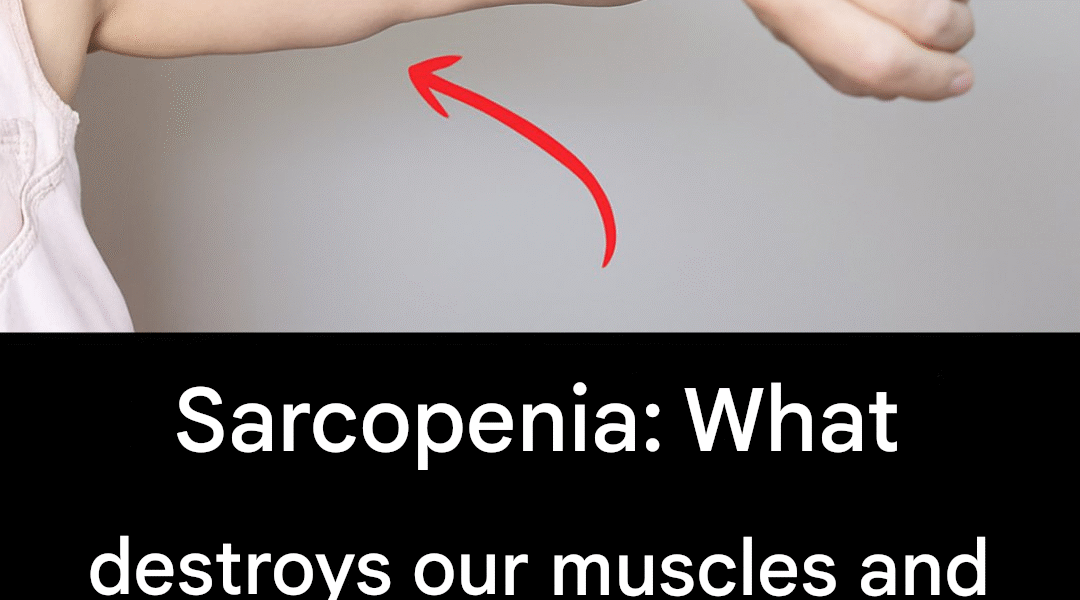
Sarcopenia: the silent enemy after 40. Why Do You Lose Muscle And How To Recover It?
Sarcopenia is the progressive loss of muscle mass and strength, accompanied by a decrease in the body’s functionality. Although it was long considered a natural effect of aging, it is now known to be a disorder that can affect quality of life, increase the risk of falls and fractures, and reduce life expectancy.
It’s not just about losing strength: sarcopenia is also associated with diseases such as type 2 diabetes, obesity and cardiovascular problems.
Why Sarcopenia Develops
The main origin is in the imbalance between the destruction and regeneration of muscle mass. From the age of 30 a gradual loss begins, which at 60 becomes much more evident. However, it’s not just age that plays a role.
Key factors include:
Physiological changes due to age
- Reduction of hormones such as testosterone, estrogen and growth hormone.
- Oxidative stress and chronic inflammation.
- Reduced muscle recovery capacity.
- Deficiency in the absorption of proteins and nutrients.
Lifestyle mistakes
- Lack of exercise, especially strength.
- Diet poor in proteins and essential amino acids.
- Sedentary lifestyle due to illness or injury.
- Deficiency of vitamin D, magnesium, and other micronutrients.
Related diseases
- Type 2 diabetes, kidney failure, chronic inflammation.
- Endocrine and oncological diseases.
- Neurodegenerative processes such as Parkinson’s or dementia.
- Cardiovascular problems.
Signs that sarcopenia is progressing
- Difficulty climbing stairs, carrying bags, or getting up from a chair.
- Visible reduction in muscle volume in arms and legs.
- Fatigue even with light activities.
- Coordination and balance problems, with frequent falls.
- Weight loss accompanied by weakness and sagging.
- Increased body fat, hypertension, or insulin resistance.
Screening can be done with strength tests, questionnaires, body composition analysis, and imaging studies.
How to stop sarcopenia
Although it cannot be completely stopped, it is possible to delay its progression with appropriate habits.
Physical activity
Exercise is the most effective tool:
- Strength exercises such as squats, planks, push-ups, or use of elastic bands.
- Walking, swimming, cycling, yoga or pilates.
- Climbing stairs and moving actively in daily life.
The key is consistency: small daily efforts are more effective than sporadic training.
Proper Nutrition
- Proteins: between 1.2 and 1.5 g per kilo of body weight (meat, fish, eggs, dairy, legumes, supplements).
- Calcium and vitamin D: essential for bones and muscles (fish, dairy, eggs, supplements).
- Omega-3 fatty acids: reduce inflammation and improve protein synthesis (fatty fish, flaxseed oil, walnuts).
- Sufficient energy: avoid diets that are too restrictive that accelerate muscle loss.
It is recommended to limit alcohol, sugars and ultra-processed foods that promote inflammation.
Tips and recommendations
- Perform regular physical activity, prioritizing strength exercises.
- Maintain a varied diet, rich in proteins and micronutrients.
- Monitor your health with regular medical checkups.
- Avoid a sedentary lifestyle: moving every day is key.
- Get enough rest to promote muscle recovery.
Sarcopenia is not an inevitable fate. With exercise, proper nutrition, and healthy habits, it’s possible to preserve strength and independence for years to come. Constant body care is the best tool for aging with vitality.