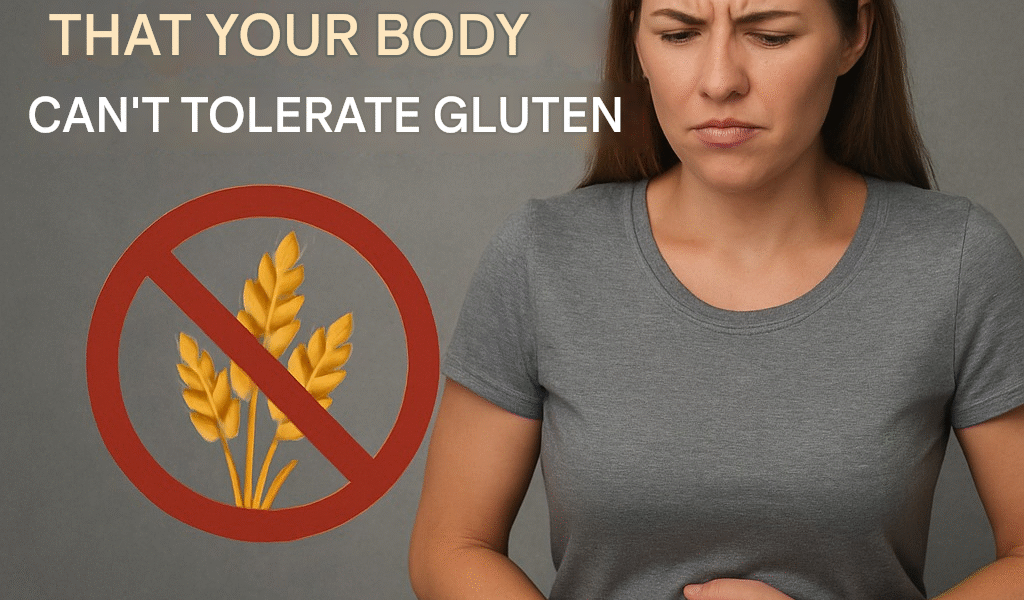
10 Signs Your Body Doesn’t Tolerate Gluten
Gluten is a protein present in cereals such as wheat, barley and rye. For many people, consuming it is not a problem; however, there is a group that presents sensitivity or intolerance, which causes a series of uncomfortable symptoms and even long-term health problems.
This reaction may be due to celiac disease, a non-celiac gluten sensitivity, or, in more severe cases, a wheat allergy. Recognizing the signals sent by the body is key to seeking medical help and avoiding complications.
1. Recurrent digestive problems
Frequent bloating, gas, diarrhea, or constipation after consuming bread, pasta, or baked goods may indicate that your body doesn’t process gluten well.
2. Abdominal pain
Stomach discomfort or cramps that appear soon after eating foods with wheat or other cereals with gluten.
3. Chronic fatigue
Extreme tiredness, even after a good night’s sleep, can be linked to poor absorption of nutrients due to gluten intolerance.
4. Headaches or migraines
Gluten consumption in sensitive people can lead to frequent headaches and, in some cases, migraines.
5. Muscle and joint pain
Internal inflammation caused by gluten can be reflected in joint or muscle pain with no apparent cause.
6. Skin rashes
Skin problems such as dermatitis herpetiformis, redness, or itching can be signs of intolerance.
7. Mood swings and anxiety
Gluten intolerance can affect the nervous system, generating irritability, anxiety or mild depression.
8. Unexplained weight loss
Poor absorption of nutrients can lead to weight loss without changes in diet or physical activity.
9. Nutritional deficiencies
Low levels of iron, calcium, or vitamin D, despite a varied diet, may indicate gluten-related absorption problems.
10. Concentration problems (“foggy mind”)
Difficulty concentrating, forgetting things easily, or feeling “brain foggy” after eating bread, pasta, or crackers.
Foods that can be consumed
If you are gluten intolerant, it is essential to choose foods free of this protein:
- Gluten-free cereals: rice, corn, millet, amaranth, quinoa, sorghum.
- Tubers: potato, sweet potato, cassava.
- Legumes: lentils, chickpeas, beans.
- Fresh fruits and vegetables.
- Fresh meat, fish and eggs (without breading or sauces with flour).
- Nuts and seeds.
Tips in case of gluten intolerance
- Consult a doctor or nutritionist to confirm the intolerance through tests.
- Always read product labels, as gluten can be hidden in sauces, cold cuts, and processed foods.
- Avoid cross-contamination in the kitchen, using utensils and surfaces free of flour residues.
- Plan your meals to make sure you’re getting all the nutrients you need without resorting to gluten.
- Try gluten-free recipes and experiment with alternative flours such as rice, almond or chickpea flour.
- Keep track of your symptoms to identify which foods make your discomfort worse.