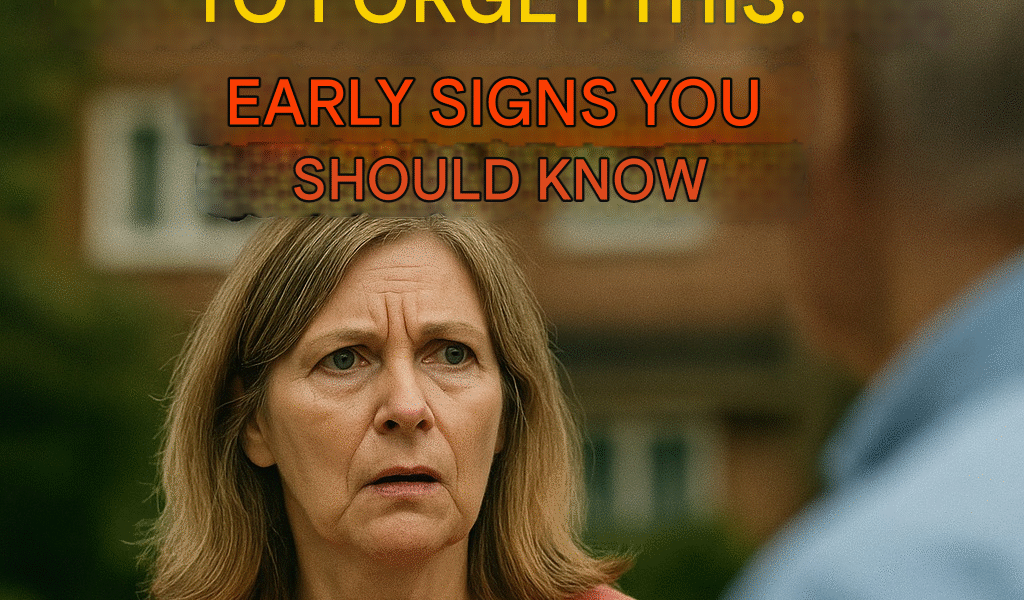
It’s not normal to forget this: early signs you should know
Forgetting an appointment or misplacing keys occasionally can seem like a common occurrence, especially with the stresses of everyday life. However, when forgetfulness begins to recur frequently or affect everyday tasks, it could be a warning sign of something more serious: cognitive decline or early signs of neurodegenerative diseases such as Alzheimer’s.
Alzheimer’s is a progressive disease of the brain that affects memory, thinking, and behavior. It often manifests silently, confused with natural aging. But the key lies in early detection: the earlier it is identified, the greater the chances of slowing its progression and improving quality of life.
Early Signs of a Dangerous Illness
These signals may seem small or harmless, but they are the first warnings that the brain is calling for help:
1. Frequent forgetfulness that affects daily life
Not remembering newly learned information, repeating the same questions multiple times, or constantly relying on reminders and notes.
2. Difficulty planning or solving problems
Tasks that were once simple, such as following a recipe or paying bills, become complicated or frustrating.
3. Confusion with time or place
Losing track of the date, the season of the year, or even forgetting how you got to a certain place.
4. Trouble finding words or following a conversation
Forgetting common words, losing the thread when speaking or not being able to continue a fluent conversation.
5. Loss of objects and difficulty retracing steps
Placing things in unusual places (like keys in the refrigerator) and then not remembering how they got there.
6. Changes in judgment or decision-making
Difficulty evaluating situations, frequently falling into scams or negligence in personal care.
7. Withdrawal from social activities
Avoid meetings, hobbies or conversations for fear of making mistakes or out of frustration.
8. Mood or personality disturbances
Confusion, distrust, depression, anxiety, or irritability for no clear reason.
What should I do if I notice any of these signs?
If you or a loved one exhibits several of these signs, it’s very important not to ignore them. Acting quickly can make all the difference:
- See a specialized doctor, such as a neurologist or geriatrician.
- Keep track of symptoms: when they started, how often they appear, whether they’ve gotten worse.
- Don’t self-medicate or make hasty decisions. The diagnosis must be clinical and accompanied by adequate studies.
- Share your concerns with the family. They can help you notice subtle changes and provide support.
Important Tips
- Get regular checkups, especially after age 60.
- Keep your mind active: reading, learning new things, doing mental exercises like crossword puzzles or sudoku.
- Take care of your emotional health: depression and anxiety can also cause memory loss.
- Eat well and exercise: A balanced diet and regular physical activity help with brain health.
- Get enough sleep: Rest is essential for your brain to function properly.
Catching the signs early can change the course of this disease. To be alert is to take care of yourself and also those around you.