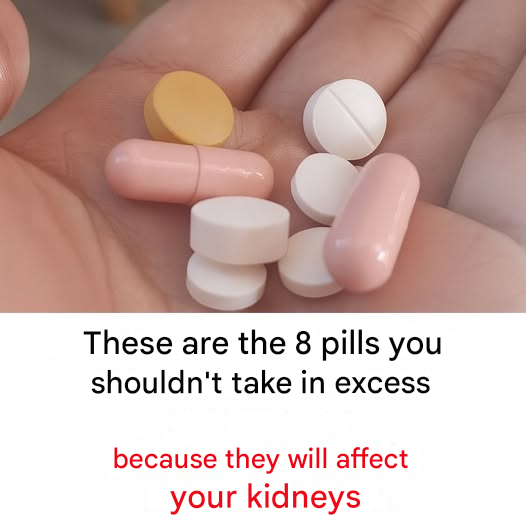
You shouldn’t self-medicate without consulting your doctor: 8 pills that affect the kidneys
The kidneys play a vital role in our bodies: they filter the blood, remove waste, balance water and electrolyte levels, and regulate blood pressure. However, a number of commonly used medications can cause kidney damage if consumed in excess or without medical supervision.
Here are 8 common medications that can harm kidney health and should be used with caution, especially by people with a history of kidney problems.
1. Nonsteroidal anti-inflammatory drugs (NSAIDs)
Medications such as ibuprofen, naproxen, and diclofenac are widely used to treat pain and reduce inflammation. However, long-term use or use in high doses can decrease blood flow to the kidneys and lead to acute kidney damage, especially in people who are dehydrated or have low blood pressure.
Recommendation: Use them only when necessary and for short periods, following medical indications.
2. Proton Pump Inhibitors (PPIs)
They are used to treat acid reflux and stomach ulcers. Omeprazole, lansoprazole, and esomeprazole are common examples. Studies have linked long-term use to an increased risk of chronic kidney disease.
Recommendation: Do not use them beyond the time indicated by the doctor. Consult alternatives if there are frequent digestive discomforts.
3. Antibiotics
Some antibiotics such as aminoglycosides (gentamicin, tobramycin), vancomycin, and certain antivirals can be toxic to the kidneys. The combination of antibiotics can also increase the risk of kidney damage.
Recommendation: Use only when needed, with a prescription, and perform renal function checks if treatment is prolonged.
4. Blood pressure medications
Although many help protect the kidneys in the long term, some, such as ACE inhibitors (enalapril, lisinopril) or angiotensin receptor blockers (losartan, valsartan), can cause problems if dehydration is present or if combined with other harmful drugs.
Recommendation: Perform regular blood creatinine and potassium checks to avoid complications.
5. Diabetes medications
Sodium-glucose cotransporter type 2 (SGLT2) inhibitors, such as empagliflozin and dapagliflozin, may affect kidney function in some patients, especially at the beginning of treatment or if dehydration is present.
Recommendation: Follow frequent medical check-ups and maintain adequate hydration.
6. Chemotherapy drugs
Some drugs used in cancer treatment, such as cisplatin, methotrexate, or ifosfamide, can cause severe nephrotoxicity.
Recommendation: These treatments should be accompanied by strict monitoring of kidney function and specific protective measures.
7. Lithium
Used to treat mood disorders, lithium can lead to kidney toxicity if not properly controlled. In the long term, it can cause chronic kidney disease.
Recommendation: It requires constant monitoring of blood levels and periodic kidney check-ups.
8. Supplements and herbal products
Although considered “natural,” many supplements can have harmful effects on the kidneys. Some examples include aristolochian tea, large doses of vitamin C or unregulated slimming products.
Recommendation: Always consult your doctor before taking supplements, especially if you have a history of kidney problems.
Medications are powerful tools, but they can also cause harm if not used responsibly. If you have risk factors or a history of kidney disease, it’s critical to talk to a health care professional before starting or continuing any treatment. Prevention and control are key to taking care of your kidneys!