The SECRET that the hardware INDUSTRY does NOT want you to know
In the world of DIY and home repairs, there are secrets that, due to their effectiveness and low cost, are not usually disclosed by large industries. One of these secrets is a powerful mixture that uses accessible elements such as telgopor, solvent and cement, capable of creating a water-resistant substance, ideal for waterproofing and repairing surfaces.
This homemade method is gaining popularity among those looking for long-lasting solutions without overspending, and today we explain it step by step.
In addition, you can follow the procedure in the following video from the CurioHacks channel:
Materials Needed
- Telgopor (expanded polystyrene)
- Strong solvent (such as thinner or pure acetone)
- Paintbrush
- Cement (optional, for a thicker, more restorative mix)
How to prepare this waterproof mixture
Step 1: Dissolve the telgopor
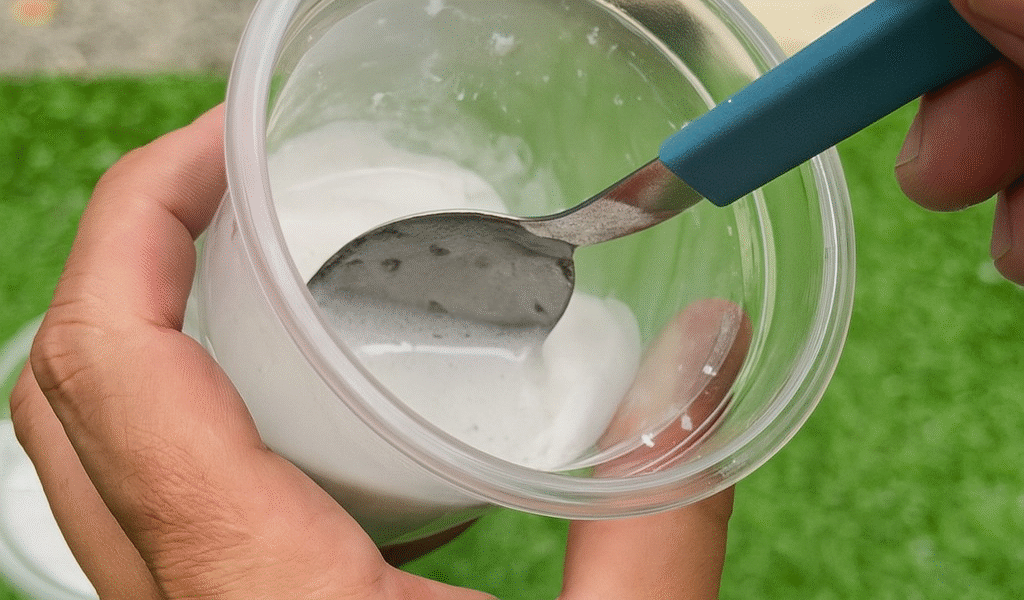
In a glass or metal container, place small pieces of telgopor. Add the solvent slowly and you will see how the telgopor begins to melt, generating a kind of viscous paste.
Advice: Add the solvent a little at a time. The amount needed will depend on how thick or liquid you want the mixture. If you are going to use it as a waterproofer, a medium consistency will be enough. If you want to cover cracks, it should be thicker.
Step 2: Apply with a brush
Once you’ve obtained the desired consistency, use a brush to apply the mixture to the surfaces you want to protect or seal. It works great on shingles, roofs, gutters, and other areas exposed to water. Creates a waterproof layer that prevents leaks.
Advice: Always apply to clean, dry surfaces. If there is dust or grease, the adhesion will not be optimal.
What if we add cement?
A repairing compound for walls and cracks
If you add a small amount of cement to the dissolved telgopor base mix, you will get an even more solid and resistant paste. It can be used to:
- Cover cracks in interior and exterior walls.
- Fill deep scratches on rough surfaces.
- Strengthen areas where material has been detached.
Advice: Do not use this mixture in places that will support weight or very large structures. It is ideal for surface repairs and finishes.
Benefits of this technique
- Waterproofs economically.
- Reuse telgopor, helping the environment.
- Easy to prepare with common elements.
- Excellent adhesion on porous surfaces.
Additional recommendations:
- Wear gloves and a mask when handling strong solvents.
- Make the mixture in well-ventilated places.
- Don’t store the ready-made mixture: use it on the spot for effectiveness.
- Before applying it to large surfaces, test on a small area to check compatibility.
With this technique, you can achieve amazing results without relying on expensive products or industrial processes. A secret that many would undoubtedly prefer to keep hidden!