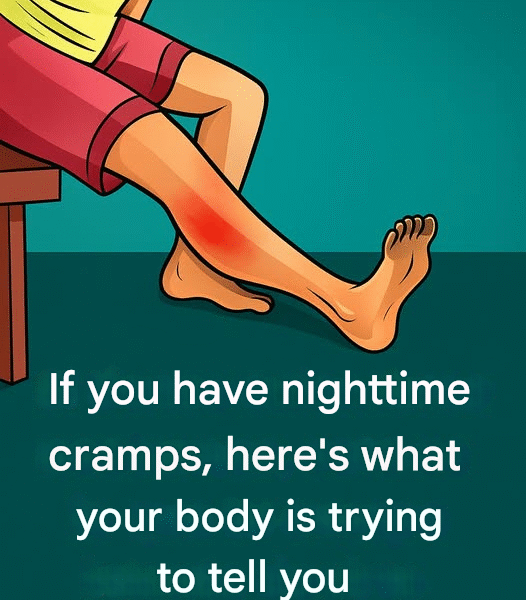
These are the reasons why you might have cramps at night
Nighttime cramps can be an uncomfortable and disruptive experience that affects sleep and rest. If you’ve ever woken up in the middle of the night with painful muscle cramps, you’ve probably wondered what causes this phenomenon.

In this exploration, we will discover the most common reasons that can lead to the appearance of cramps during the night, providing a deeper understanding of this nighttime discomfort.
The duration of a cramp can vary, ranging from 30 seconds to, in extreme cases, ten minutes or even longer. During this time, it can cause discomfort in the affected muscle, which can persist for up to an hour, depending on the intensity of the exertion.
Join us to discover how to prevent and relieve these cramps and improve your sleep quality!
Why cramps occur and how to alleviate them
It is essential to understand that cramps can originate from various reasons, including:
- Engage in intense physical activity.
- Excessive muscular effort.
- Leading a sedentary lifestyle.
- Experiencing dehydration.
- Suffering from the wear and tear associated with aging.
- Being pregnant, especially in women.
- Experiencing imbalances in nutrition.
We identified two approaches to relieving cramps, either through exercise or through treatments.
Among the stretching routines to alleviate cramps:
- In case of calf cramps, sit down and raise the affected leg, take the end of the foot and stretch it with your hand.
- If the cramp affects your foot, sit down and carefully stretch your toes.
- For other types of cramps, lie on your back, stretch your leg towards your body and hold the position for 20 seconds before relaxing.
- Massage the affected area to improve blood circulation.
As for home remedies, these include warm baths, the use of heating pads, and maintaining a more appropriate and balanced diet.
TIPS:
Here are some tips that can help you prevent or relieve cramps:
- Stay well hydrated: Make sure you drink enough water throughout the day to avoid dehydration, which can contribute to cramps.
- Warm up before exercise: Before engaging in intense physical activity, perform appropriate warm-ups to prepare your muscles and reduce the risk of cramps.
- Stretch regularly: Incorporate stretching routines into your daily routine, especially before and after exercise, to maintain muscle flexibility.
- Eat a balanced diet: Make sure you get enough electrolytes and essential minerals through a balanced diet, as a deficiency can contribute to cramps.
- Avoid excessive exertion: Do not overdo the intensity or duration of your physical activities, as excessive effort can cause cramps.
- Wear appropriate footwear: Make sure your shoes are comfortable and provide good support, especially if you are involved in activities that put pressure on your feet and legs.
- Consider supplements: In some cases, magnesium, potassium, or calcium supplements may be beneficial, but it is always advisable to consult with a health professional before starting any supplementation.
👉 Follow our page, like 👍, and share this post. Every click can make a difference—perhaps saving your own life or that of a loved one.