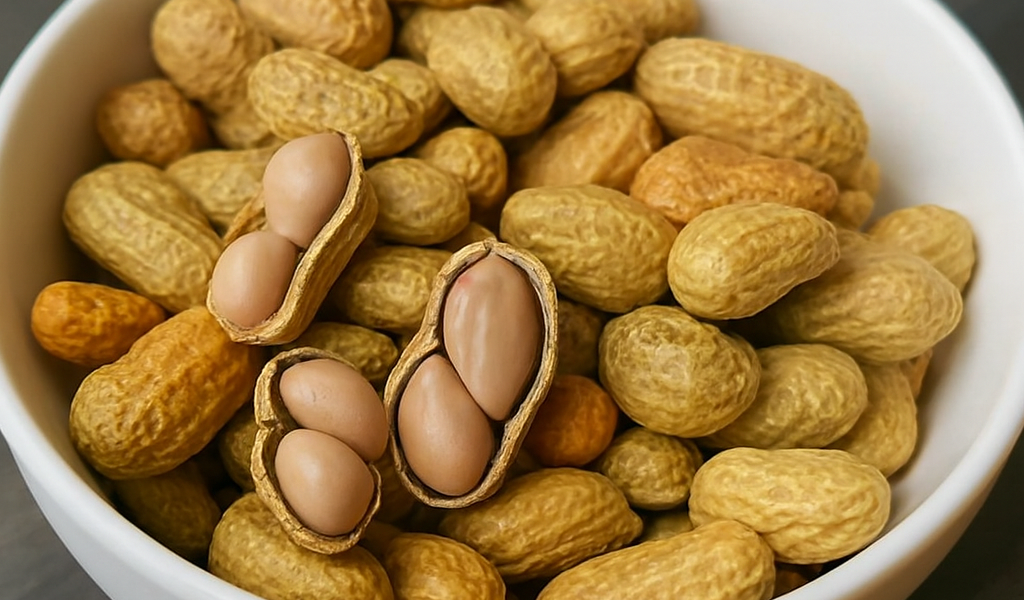
What Happens When We Eat Peanuts
Peanuts — also known as peanuts — are widely consumed in many cultures. Its popularity is due to its flavor and versatility as much as to the nutrients it provides. But what happens in our body when we eat it?
Below, we explore its benefits and potential risks.
Benefits of peanuts
Complete nutrition:
Peanuts are a source of protein, healthy fats, several vitamins (such as A, B6 and E) and essential minerals such as phosphorus, calcium and iron. It also contains lecithin, choline, carotenoids and amino acids, substances that support multiple functions of the body.
Feeling full and appetite control:
Consuming peanuts or peanut butter for breakfast can increase feelings of fullness, which in turn helps control hunger during the day and potentially reduce overall caloric intake.
Possible cardiovascular and metabolic support:
Some research suggests that including peanuts regularly in the diet, as part of a balanced diet low in saturated fat and cholesterol, may be associated with a lower risk of heart disease.
Potential protection against certain diseases:
Some studies have shown that regular peanut consumption may be associated with a lower incidence of certain cancers, such as rectal cancer, especially in women, thanks to compounds such as folic acid and antioxidants found in peanuts.
It has also been suggested that frequent intake may help prevent gallbladder problems, possibly by helping to maintain healthy cholesterol levels.
Possible risks and precautions
Food allergies — a serious risk for some:
Peanuts can cause severe allergic reactions: from hives or shortness of breath to anaphylactic shock, which can be potentially fatal if not treated quickly.
For this reason, those with peanut allergies should avoid it altogether.
Digestive problems if consumed in excess or under certain conditions:
For people with sensitive digestion, inflammatory bowel diseases or the elderly, peanuts can cause digestive discomfort, gas, bloating or colic, especially if consumed in large quantities or on an empty stomach.
Risks of consuming spoiled peanuts:
When peanuts are moldy, they may contain aflatoxins, substances with carcinogenic potential. Therefore, it is important to rule them out if they show signs of deterioration.
Special considerations for certain groups:
- People with high uric acid or episodes of gout should moderate their consumption, since although peanuts have fewer purines than red meat, their vegetable protein could aggravate these conditions.
- In those taking blood thinners, the vitamin E in peanuts may interfere with blood clotting.
- If consumed in excess (more than 50 g daily, for example), there is a risk of weight gain or other digestive problems.
What to take into account if you consume peanuts?
- Prioritize moderate portions in the diet (e.g., a handful), rather than excesses.
- Avoid consuming them on an empty stomach or in excess if you have sensitive digestion.
- Check their condition well before eating them – discard if they are moldy.
- Those who have peanut allergies, high uric acid, digestive problems, or take blood thinners should consult with a health care professional before including them in their diet.
- Integrate them into a varied and balanced diet, as part of a diet rich in fruits, vegetables, whole grains and various proteins.
Final reflection:
Peanuts are a nutritious food that can offer multiple benefits: proteins, healthy fats, vitamins and minerals; satiety; metabolic and cardiovascular support; even, according to some studies, a reduction in the risk of certain diseases. But it can also have adverse effects, especially in people with allergies, sensitive digestion, uric acid problems or chronic diseases.
Including peanuts in your diet can be healthy, as long as it is done in moderation and taking into account personal particularities. As with any food, there are no universal solutions: the key is to know our body, listen to our signals and, when necessary, consult a professional.
👉 Follow our page, like 👍, and share this post. Every click can make a difference—perhaps saving your own life or that of a loved one.