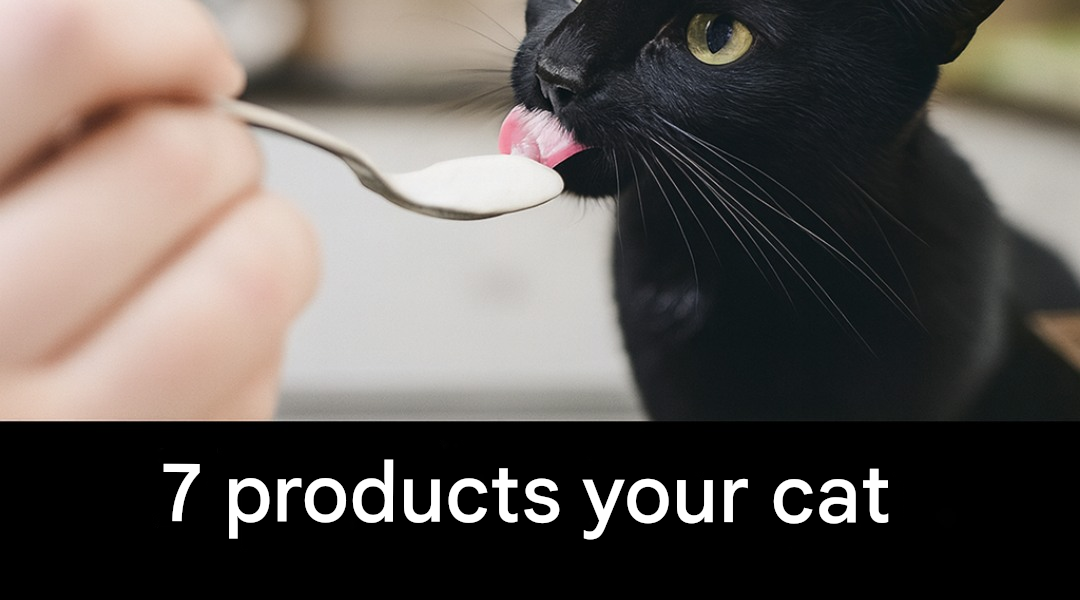
7 products your cat should never eat.
Many owners believe that sharing food with their cat is a sign of affection, but the truth is that some common foods can be highly dangerous to their health. Some cause everything from vomiting to serious neurological problems or even irreversible damage to vital organs. Knowing these risks can make the difference between a healthy pet and a veterinary emergency.
1. Chocolate: A Silent Poison
Chocolate, especially bitter chocolate and chocolate used for baking, contains theobromine, a substance that is very toxic to cats.
It can cause: vomiting, tremors, convulsions, arrhythmias and in severe cases, death.
2. Caffeine: A Dangerous Stimulant
The caffeine in coffee, tea, energy drinks, and soda dangerously stimulates the cat’s nervous system.
It causes: extreme nervousness, palpitations, seizures and risk of cardiac arrest.
3. Dairy: a myth that makes you sick
Although the cat is often associated with a milk dish, most adult cats are lactose intolerant.
Consequences: diarrhea, gas, abdominal pain and digestive discomfort.
Best option: always fresh and clean water.
4. Raw foods: not as natural as they seem
Raw meat, fish, and eggs can carry dangerous bacteria such as salmonella or parasites.
Risks: intestinal infections, fever, weakness and dehydration.
5. Grapes and raisins: small but lethal
Both fresh grapes and raisins can lead to acute kidney failure, even in trace amounts.
They are never safe.
Safe alternatives (in small amounts): banana, melon, or seedless apple.
6. Garlic and onions: hidden toxins
These ingredients damage the cat’s red blood cells, causing severe anemia.
They are present in: leftovers, broths, sauces and prepared foods.
7. Human food scraps
Spicy, fried, or heavily salty foods overload the cat’s digestive system and kidneys.
They can cause: vomiting, pancreatitis, liver damage, and obesity.
3 Key Reasons to Feed Your Cat Correctly
1. Improves oral health
A balanced diet helps reduce tartar, prevents infections and reduces bad breath, which is very common in adult cats.
2. Because the cat is a strict carnivore
Your body needs high-quality animal protein. Taurine, present in meat, is essential for the heart, muscles, and vision.
Avoid: vegetarian or grain-based diets.
Prioritize: good quality meat and fish.
3. Promotes good digestion and hydration
Cats usually drink little water. Wet food helps keep them hydrated and prevents frequent urinary problems.
Tips & Recommendations
- Never share food without first consulting with a veterinarian.
- Always read the labels of commercial foods.
- Keep dangerous ingredients out of reach.
- Introduce any new food progressively.
- If you have any strange symptoms, go to the vet immediately.
Taking care of your cat’s diet is a direct way to protect their health and extend their life. Avoiding toxic foods and choosing a proper diet not only prevents disease, but gives you well-being, energy, and a better quality of life.
👉 Follow our page, like 👍, and share this post. Every click can make a difference—perhaps saving your own life or that of a loved one.