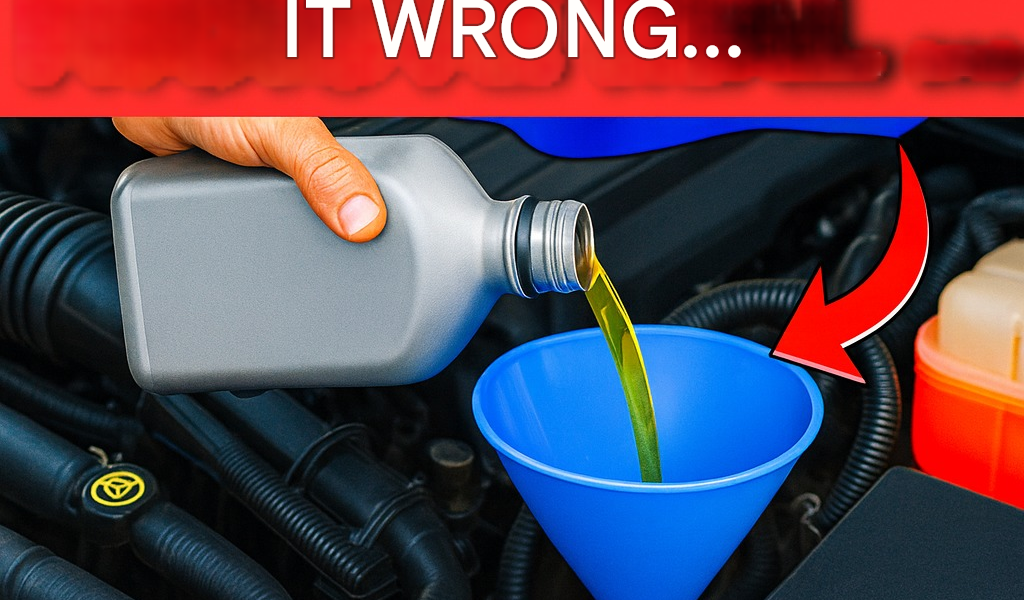
19 FATAL MISTAKES when CHANGING the OIL in your car that DESTROY the ENGINE of your used SUV car
Changing the oil in an SUV or used car seems like a simple procedure. However, thousands of owners make mistakes that drastically shorten engine life, raise fuel consumption, and lead to costly failures.
If you drive a second-hand SUV or a pre-owned car, this information is even more important: these engines already have previous wear and tear, and improper maintenance can be fatal.
Below you will find the 19 most serious and common mistakes that destroy engines when changing the oil, and how to avoid them like a professional mechanic.
Also, you can see these fatal errors, in the following video from the GARAGE SUV channel:
1. Not respecting the recommended type of oil
Each motor needs a specific viscosity. Using the wrong oil reduces internal lubrication, accelerates wear, and increases engine temperature.
2. Choose extremely cheap brands
Low-quality oils lose properties within a few kilometers and generate internal carbon deposits.
3. Not changing the oil filter
The filter accumulates metal debris, sludge and sediment. If it is not replaced, the new oil is immediately contaminated.
4. Ignoring mileage limit
Driving thousands of kilometers with old oil increases friction, engine noise and irreversible damage to pistons and cylinders.
5. Not checking the condition before buying a used car
Many second-hand vehicles drove with inadequate oils. Catching it early can prevent you from further repair.
6. Using miracle additives without diagnosis
Some oil “improvers” clog ducts and alter internal pressure.
7. Mixing Different Oils
Combining synthetic, semi-synthetic and mineral reduces performance and generates internal foam.
8. Not warming up the engine before changing
Cold oil retains impurities. With the engine warm, it flows completely and drags sediment to the emptying.
9. Coming up short on quantity
Riding at a low level causes accelerated wear, extreme friction and risk of seizure.
10. Exceeding capacity
Overfilling creates high pressure, damages seals, and affects overall operation.
11. Not checking for leaks
A small leak can slowly empty the crankcase and leave the engine without lubrication.
12. Reuse the Drain Washer
That little ring loses seal with each disassembly, generating drip leaks.
13. Over-tightening the cap
Many cars are left with damaged threads. If it breaks, oil loss is uncontrollable.
14. Not cleaning the filter area
Accumulated dirt can enter the engine when the new filter is inserted.
15. Ignoring Oil Pressure
After the change, it is mandatory to start the engine, leave it idling and check that the pressure is stable.
16. Choosing oil by fashion and not by technical specification
Each SUV, whether compact, medium or large, uses different lubricants. General recommendations are useless.
17. Not properly draining old oil
Leave part of it inside the crankcase, mix impurities with the new oil.
18. Do not replace oil according to climate or use
Hot climates, short urban journeys and loaded driving require oils with greater protection.
19. Not checking the date of manufacture
An expired oil loses protective additives and oxidizes faster.
Why are these mistakes deadly for used engines or SUVs?
Second-hand vehicle engines usually have more miles, small modified internal tolerances, and natural wear and tear. Therefore:
- Need more precise lubrication
- They generate more waste
- Require superior quality filters
A minor mistake can be the difference between an engine that lasts for years or one that is destroyed in months.
Recommendations
- Always use the exact oil recommended by the manufacturer
- Change filter on each substitution
- Don’t improvise unknown brands
- Requires maintenance history when buying a used SUV
Your engine is the most expensive part of the vehicle. Taking care of it with responsible maintenance is your best investment!
👉 Follow our page, like 👍, and share this post. Every click can make a difference—perhaps saving your own life or that of a loved one.