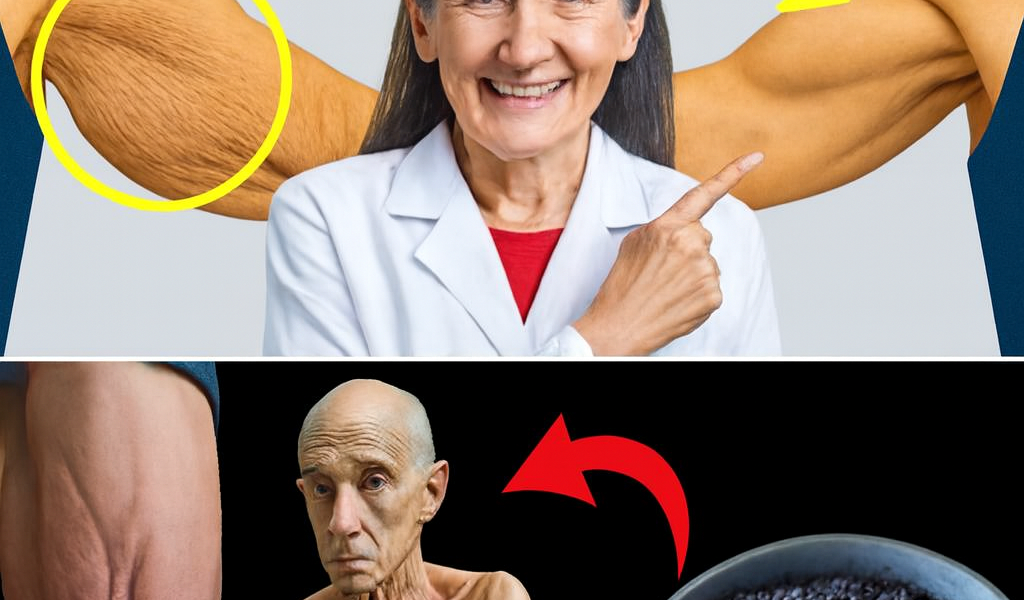
A powerful seed to slow down (and reverse) muscle loss in older people
Why do we lose muscle as we age?
When reaching a certain age, the body experiences a phenomenon known as sarcopenia, which consists of the progressive loss of muscle mass and strength. From the age of 30, this decline begins slowly, but accelerates after the age of 60.
This loss not only affects physical appearance, but also mobility, balance, autonomy, and quality of life.
Among the main causes are: reduced physical activity, low protein intake, deficit of essential nutrients and the body’s reduced ability to synthesize amino acids.
Is there really a “miracle seed” that reverses this loss?
Some websites claim that a certain seed can reverse muscle loss in as little as seven days. However, there is no solid scientific evidence to support such rapid transformation or to attribute that effect to a single seed.
What is true is that some seeds provide protein, essential amino acids, healthy fats and fiber, key nutrients to maintain muscle mass. These properties, combined with proper diet and regular exercise, can help slow the progression of sarcopenia.
Therefore, the idea of a “miracle” seed should be taken with caution: there is no single solution, but a set of habits that strengthen the body over time.
Seeds with a good nutritional profile
Here are some seeds that stand out for their protein content and their value for muscle health:
- Chia seeds: rich in fiber, omega-3 fats, and vegetable proteins.
- Hemp seeds: contain complete proteins with all essential amino acids.
- Flaxseeds: source of fiber and fatty acids, with digestive and anti-inflammatory effect.
- Sesame and sunflower seeds: they provide minerals such as magnesium and copper, essential for muscle function.
- Pumpkin seeds (pepitas): rich in zinc, a key element in protein synthesis and cell regeneration.
All of them are excellent supplements in the diet, but they must be incorporated into a balanced nutritional plan.
How to integrate them into an effective strategy to maintain muscle
Increase total protein intake
Older adults often need more protein than is traditionally recommended. Studies indicate that an intake of 1 to 1.2 g of protein per kilogram of body weight per day supports muscle maintenance.
Prioritizing Key Amino Acids
Among them, leucine is essential to activate muscle protein synthesis. Including foods rich in this amino acid (such as legumes, seeds, and lean animal products) helps preserve strength.
Performing resistance or strength exercises
Food alone is not enough. Resistance exercises—such as lifting light weights, using elastic bands, or performing tailored squats—directly stimulate the growth and strengthening of muscle fibers.
Taking care of other nutrients and habits
Vitamin D, calcium, magnesium, and good hydration are essential for muscle health. It is also important to sleep well and avoid diets with excess ultra-processed foods or refined sugars.
The real message behind this trend
- Seeds are a natural ally within a diet rich in proteins and healthy fats.
- There is no scientific evidence that a single seed completely reverses muscle loss in one week.
- The real key is to combine a balanced diet, strength exercise and good lifestyle habits.
- Before making major dietary changes or starting supplements, it is advisable to consult a doctor or nutritionist.
Summary
Maintaining and regaining muscle mass in adulthood is not a matter of a quick trick or a magic seed. It is the result of a comprehensive strategy that includes good nutrition, constant exercise and general care of the body.
Seeds can be a powerful supplement, but they are not a substitute for the other pillars of health.
Important notice: This article is for informational purposes only and is not a substitute for professional medical diagnosis or treatment. Before modifying your diet or starting a new exercise plan, consult your doctor or nutritionist you trust.
👉 Follow our page, like 👍, and share this post. Every click can make a difference—perhaps saving your own life or that of a loved one.