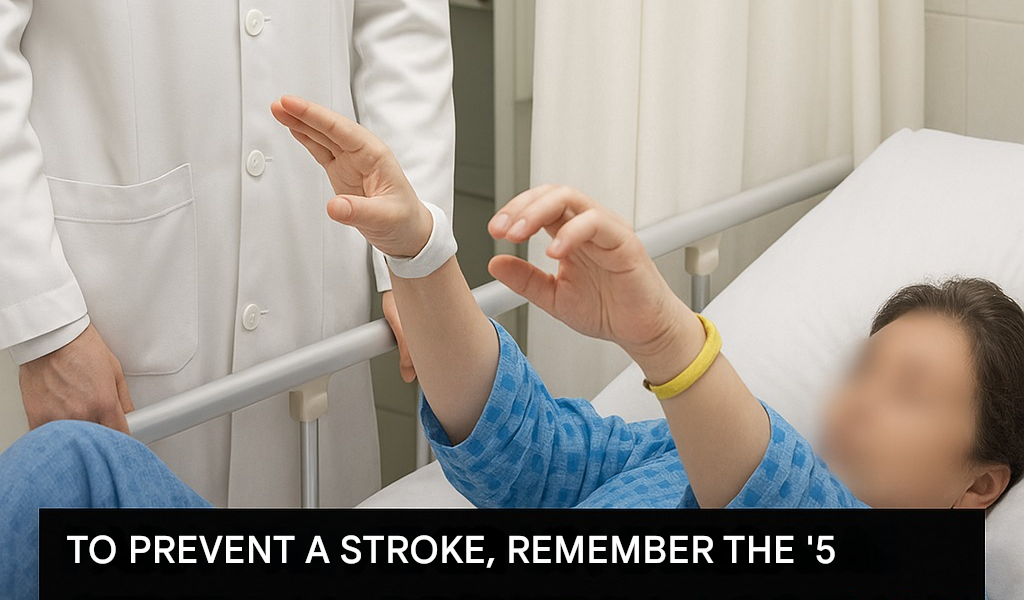
To prevent a stroke, remember the “5 Don’s” and “7 DO’s” in winter. Stay Safe at Any Age
Winter not only brings with it the cold, but also an increase in health risks, especially when it comes to the cardiovascular system. Among the most dangerous conditions is stroke or cerebrovascular accident (CVA), a medical emergency that can leave serious sequelae or even be fatal.
Cold weather may seem harmless, but it acts silently: it constricts blood vessels, raises blood pressure, and increases the likelihood of clots forming. That’s why knowing how to prevent a stroke during the colder months is critical to staying healthy at any age.
How to Prevent a Stroke
During the winter, the body works harder to maintain its internal temperature. This extra effort causes the heart to pump harder, which can increase blood pressure and stroke risk, especially in older people or people with a history of high blood pressure, high cholesterol, or diabetes.
Cold air can also cause vasoconstriction — the narrowing of blood vessels — making it difficult for blood to flow normally to the brain. That’s why taking care of daily habits is essential, and every decision counts.
Here are the “5 Don’s” and “7 Do’s” that can make a difference in your brain health this winter.
The “5 Don’ts” to Avoid
- Don’t ignore warning signs.
Sudden headache, difficulty speaking or moving one side of the body are signs that require immediate medical attention. - Do not expose yourself to the cold without a coat.
Low temperatures can cause blood pressure spikes. Wear thermal clothing and cover your head, neck, and hands. - Don’t smoke or drink alcohol excessively.
Both habits damage blood vessels and increase the risk of clots. - Don’t neglect your medication.
If you take blood pressure or cholesterol drugs, don’t stop treatment on your own. - Don’t sit idle.
A sedentary lifestyle favors the accumulation of fat in the arteries. Even if it’s cold, try to move around indoors or walk a little each day.
The “7 DO’s” to take care of your brain health
- Yes to regular medical checkups.
Controlling blood pressure, cholesterol, and glucose can prevent serious complications. - Yes to a balanced diet.
It includes fruits, vegetables, fish and foods rich in omega 3. Reduce saturated fats and excess salt. - Yes to hydration.
In winter we tend to drink less water, but the blood becomes thicker if we do not hydrate properly. - Yes to sufficient rest.
Getting a good night’s sleep helps regulate blood pressure and hormonal balance. - Yes to moderate physical activity.
Exercise improves circulation and strengthens the heart. A daily walk or gentle exercises at home are enough. - Yes to stress control.
Prolonged stress can alter blood pressure. Practice deep breathing, meditation, or activities that relax you. - Yes to keeping the body warm.
Avoid sudden changes in temperature and keep the home warm, especially in the mornings and evenings.
Additional Tips
- Learn to recognize the symptoms of stroke:
If you notice that a person has a drooping face, slurred speech, or weakness in an arm, act quickly and call 911. - Avoid sudden efforts when waking up:
Getting up abruptly in a cold environment can alter blood pressure. Do it slowly. - Maintain a stable sleep routine:
Sleeping and waking up at the same time improves cardiovascular balance. - Take care of your diet at parties or winter gatherings:
Control portions and avoid excess fat or salt. - Don’t minimize the cold:
Mild hypothermia may go unnoticed, but it affects the circulatory system.
Taking care of your brain health in winter does not require great sacrifices, but awareness and perseverance.
Small changes to your routine can make the difference between a healthy winter and a risky one. Your body and mind will thank you.
👉 Follow our page, like 👍, and share this post. Every click can make a difference—perhaps saving your own life or that of a loved one.