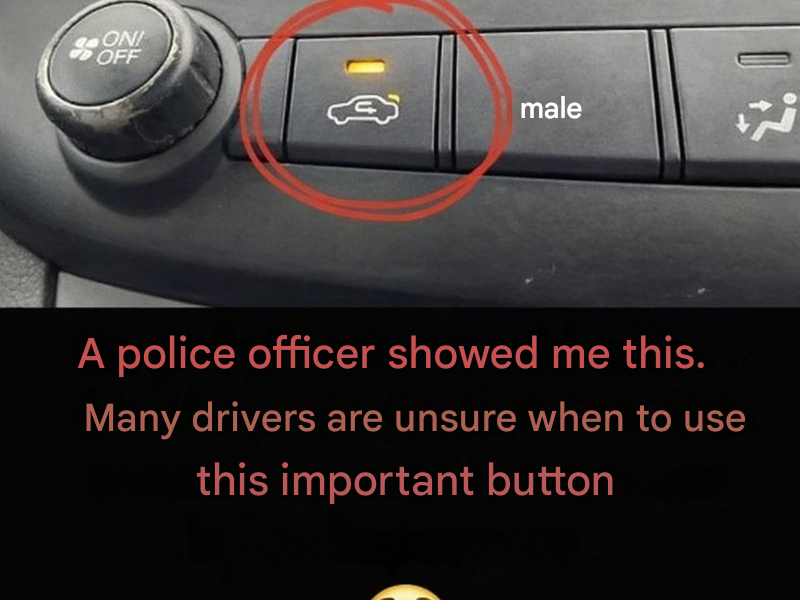
The Hidden Function of the Air Recirculation Button and How It Influences Your Driving Experience
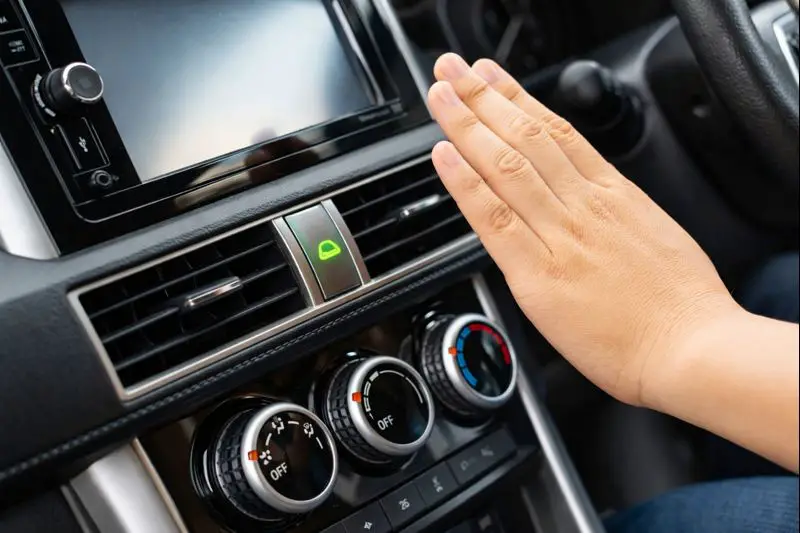
Many drivers recognize the dashboard icon with a circular arrow, but few really know how it works and when to use it. That little button controls the vehicle’s air recirculation system, a simple function that, when used well, can make a big difference to comfort, climate efficiency and even driving safety.
Understanding how they work will allow you to make better use of your air conditioning or heating, reduce the ingress of pollutants and maintain a more pleasant driving experience in different conditions.
What exactly does the air recirculation button do?
A car’s ventilation system can operate in two ways:
- Recirculation deactivated: The vehicle takes in air from the outside, filters it and then cools or heats it before distributing it around the cabin.
- Recirculation activated: an internal damper closes and blocks the intake of outside air. The system reuses the air that is already inside the cabin, creating a closed circuit.
This seemingly minor change significantly alters air conditioning performance and indoor air quality.
Benefits of using recirculation at the right time
In hot climates
One of the clearest benefits is the faster cooling of the interior. By recirculating air that is already fresh, the air conditioner works with less effort and reaches a comfortable temperature sooner. This not only improves comfort, but also reduces the load on the system.
In heavy traffic or contaminated areas
When you’re driving behind vehicles with heavy exhaust fumes, passing through tunnels, industrial zones or areas with strong odors, activating recirculation helps prevent those pollutants from entering the cabin.
On dusty roads or for people with allergies
On dirt roads or environments with a lot of dust and pollen, this mode reduces the amount of external particles entering the vehicle, which is especially useful for drivers or passengers with respiratory allergies.
When to turn off recirculation
While this is a very useful feature, it is not intended to be used permanently.
On cold or rainy days
With recirculation activated for a long time, the humidity inside the cabin can increase and cause fogging of the glass, especially the windshield. In these conditions, allowing fresh air in helps maintain clear and safe visibility.
On long journeys
On long journeys, alternating with outside air helps maintain healthier oxygen levels, which can reduce feelings of tiredness and improve concentration behind the wheel.
A key detail: the cabin air filter
For the system to work properly, it is essential to replace the cabin air filter periodically, usually every 19,300 to 24,000 kilometers, depending on the use and the manufacturer’s recommendations. A dirty filter reduces air quality and system efficiency, even when recirculation is used well.
A small button with a big impact
The air recirculation button may seem like a minor detail on the dashboard, but knowing when to activate and when to deactivate it improves comfort, protects the health of occupants and contributes to safer driving. Used intelligently, it becomes a silent ally that optimizes every trip, no matter the time of year or road conditions.
👉 Follow our page, like 👍, and share this post. Every click can make a difference—perhaps saving your own life or that of a loved one.