
Understanding Hepatic Steatosis: Causes, Symptoms, and Treatment Step by Step
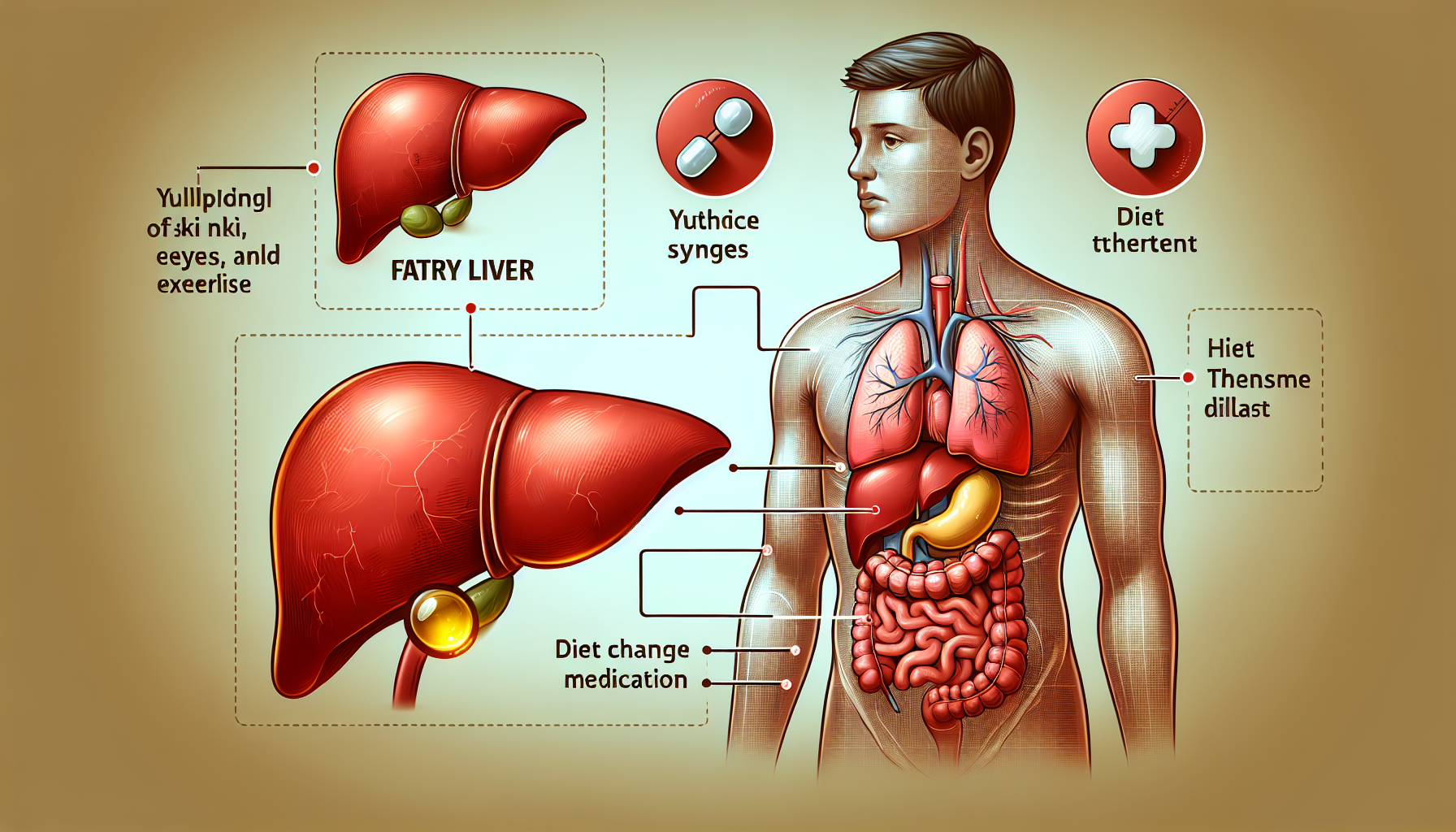
Hepatic steatosis, commonly known as fatty liver, is a condition in which fat accumulates in the cells of the liver. Although it can be asymptomatic in its early stages, if left untreated, it can lead to serious complications such as cirrhosis or liver cancer. This article provides a comprehensive guide to the causes of hepatic steatosis, its symptoms, and a comprehensive step-by-step treatment to manage this condition.
Causes of hepatic steatosis
1. Excessive alcohol consumption
Alcohol abuse is one of the main causes of hepatic steatosis. The metabolism of alcohol by the liver produces a combination of substances that can induce oxidative stress, leading to an accumulation of fat. People who consume more than 30 grams of alcohol a day are at a higher risk of developing this condition.
2. Obesity
Obesity is a significant risk factor. Extra fat in the body can accumulate in the liver, particularly in people with a body mass index (BMI) greater than 30. This excess adipose tissue not only contributes to steatosis, but also generates insulin resistance, exacerbating the problem.
3. Type 2 diabetes
Insulin resistance, a key feature of type 2 diabetes, is closely linked to hepatic steatosis. The alteration of glucose and lipid metabolism in these patients favors the accumulation of fat in the liver.
4. Improper diet
A diet high in added sugars, saturated fats, and refined carbohydrates can contribute to the accumulation of liver fat. Metabolic syndrome, characterized by hypertension, diabetes, and dyslipidemia, is favored by poor diet.
5. Medications
Certain medications can induce hepatic steatosis. These include corticosteroids, methotrexate, and some antiretrovirals. It is crucial for patients to inform their doctors about any medications they are taking.
Symptoms of hepatic steatosis
Hepatic steatosis may have no symptoms in its early stages, making it even more dangerous. However, as the disease progresses, symptoms such as:
1. Fatigue
Persistent fatigue is one of the most common symptoms. A lack of energy can make daily activities difficult.
2. Abdominal pain
Pain or discomfort in the upper right part of the abdomen may indicate inflammation of the liver. This may be mild, but it often worsens over time.
3. Unexplained weight loss
Some people may experience unintentional weight loss. This can be a sign that the liver is not working properly.
4. Skin changes
Occasionally, patients have skin changes, such as rashes, redness, or fat buildup in specific areas, such as on the eyelids (xanthomas).
5. Increased hepatic transaminases
In blood tests, elevated levels of transaminases (AST and ALT) are indicative of liver damage and, therefore, possible hepatic steatosis.
Treatment of hepatic steatosis step by step
Treatment of hepatic steatosis needs to be comprehensive and will address both the underlying causes and symptoms. Here’s a step-by-step approach:
Step 1: Diagnosis
A proper diagnosis is crucial. Tools such as blood tests, ultrasound, or even a liver biopsy will be used in advanced cases. Myths will be debunked and the patient’s eating and lifestyle habits will be clarified.
Step 2: Dietary Changes
Dietary modification is essential. It is recommended to follow a balanced diet, rich in fruits, vegetables, lean proteins and whole grains, limiting the consumption of sugars and saturated fats. Opting for healthy fats, such as those found in avocado, nuts, and fatty fish, will aid in liver recovery.
Step 3: Increase physical activity
Regular physical activity is essential. It is advised to perform at least 150 minutes of moderate exercise per week. This may include walking, swimming, or playing sports. Physical activity helps with weight loss and improves overall health.
Step 4: Monitor underlying conditions
It is essential to treat related diseases, such as diabetes, hypertension, and dyslipidemia. This includes monitoring and adjusting medications as directed by your doctor.
Step 5: Avoid alcohol and drugs
Cessation of alcohol consumption is essential. Any substance that may affect the liver should be discussed with a doctor, to prevent further damage.
Step 6: Medical Supervision
Regular doctor visits are necessary to monitor the progress of treatment. Regular tests will be done to make sure your liver is returning to normal.
Step 7: Consider Supplements
Some supplements, such as vitamin E or alpha-lipoic acid, may be beneficial. However, they should always be discussed and approved by a doctor before starting to use them.
Step 8: Emotional Support
Since hepatic steatosis can affect the patient psychologically, emotional support is essential. Support groups or counseling can help manage stress and emotions.
Step 9: More advanced interventions
In severe cases where liver function is critical, more invasive treatments, such as weight-reducing surgery in obese patients, may be considered. The option of a liver transplant is evaluated in extreme situations where the liver cannot recover.
Eliminating hepatic steatosis isn’t just a matter of treatments – it’s a commitment to a healthier lifestyle. Adopting awareness and proactive measures can significantly improve liver health and quality of life.
👉 Follow our page, like 👍, and share this post. Every click can make a difference—perhaps saving your own life or that of a loved one.