Stop eating eggs like that! (Nutritionist reveals the reason)
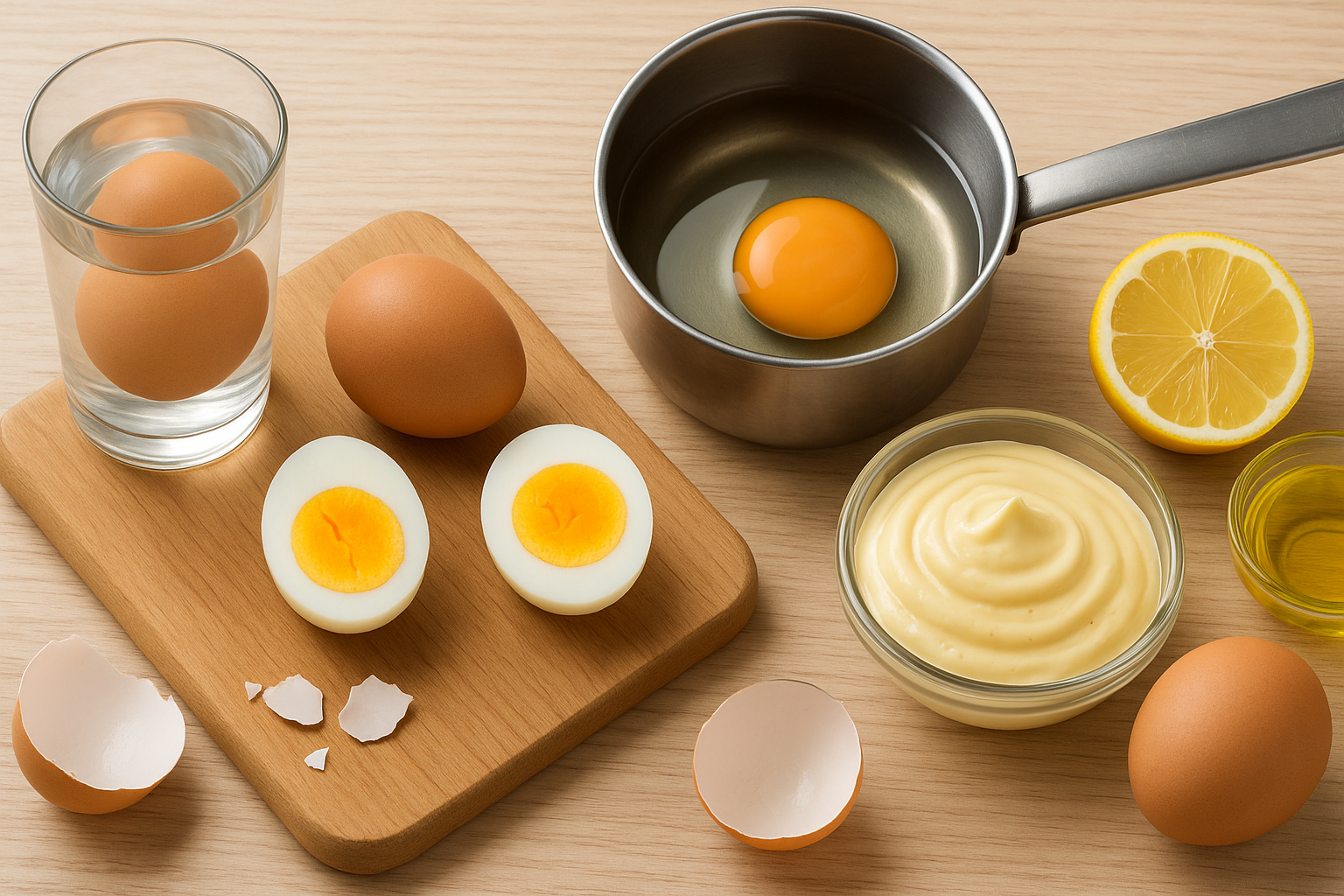
Eggs are one of the most complete foods that exist: they provide excellent quality proteins, essential vitamins, minerals and a satiety that few products achieve. That is why it is so chosen at breakfast time or to break the fast. However, certain habits in its consumption and storage can decrease its nutrients, promote the growth of bacteria and even make it inflammatory.
Fortunately, with simple adjustments it is possible to maximize its benefits and reduce risks. Here you will find practical tips to identify if an egg is fresh, how to store it correctly, why it should not be eaten raw and, in addition, a safe and delicious homemade mayonnaise recipe.
How do you know if an egg is fresh?
There is a very simple trick:
- Fill a glass with water.
- Insert the egg.
- If it sinks and lies flat, it is a fresh egg.
- If it floats, it is an old egg. In that case, the ideal is to use it as soon as possible or discard it.
This test works because as the days go by, the contents of the egg lose moisture and the internal space fills with air, making it float.
Why should you never wash eggs before storing?
Although it sounds logical, washing the egg can be harmful.
The peel has a natural protective layer that prevents bacteria from entering. Because it’s porous, if you wash it, that protection disappears and microorganisms can easily enter.
Best option:
Store them as they come, uncleaned, and always inside the refrigerator.
Also, avoid placing them on the refrigerator door: the constant opening and closing generates changes in temperature and humidity, deteriorates the shell and accelerates aging.
The danger of raw eggs
For years, it became popular to consume raw eggs or egg white shakes to “gain muscle mass.” But this poses two problems:
Lower nutrient absorption1. Lower nutrient absorption
Raw eggs contain avidin, a protein that binds to biotin (vitamin B7), preventing its absorption. This vitamin is essential for the nervous system, skin, and hair.
In addition, the digestion of raw protein is incomplete: only about 50% is absorbed. When the egg is cooked, its protein unfolds and the body can absorb up to 90%.
Risk of salmonella2. Risk of salmonella
A raw egg may contain bacteria such as salmonella, and there is no way to detect it because it does not change in smell, color, or texture.
This bacterium can cause vomiting, diarrhea, dehydration, and serious complications, especially in children, pregnant women, and older adults.
The only way to eliminate it is by cooking the egg.
Why do egg yolks vary in color?
The color of the yolk does not indicate whether the egg is free-range or industrial. It almost always depends on the hen’s diet:
- Diets containing corn, fresh grass, or carotenoids → more orange yolks
- Standard diets with fewer pigments → lighter yolks
Both are nutritious, so don’t worry too much about the color.
Practical tips with eggs
How to peel it more easily
As soon as you finish cooking:
- Immerse them in very cold water or with ice.
- Tap the base (where the inner tube is).
- The shell will come off easily.
How to prevent the egg from breaking when boiling
Add a pinch of salt or a few drops of vinegar to the water.
If it opens, the egg white will clot faster and not come out completely.
Why is it sometimes difficult to peel it?
When the egg is very fresh, its pH and acidity make the shell stick more.
With a few days of refrigeration, it tends to peel much better.
What is the best way to cook the egg?
- Boiled
- Scrambled
- Grilled without inflammatory oils
Avoid frying it with vegetable oils such as sunflower or corn. They oxidize quickly, generate smoke and release substances that inflame the body.
If you need cooking fat, use:
- Olive oil (at moderate temperature)
- Avocado oil
- Ghee butter (only occasionally)
Homemade Mayonnaise with Boiled Egg Recipe (safe and delicious)
Ingredients:
- 1 hard-boiled egg
- Oil (amount to taste)
- Lemon juice
- Mustard
- Salt
- Garlic (optional)
Preparation:
- Place all ingredients in a blender or food processor.
- Process until thickened into texture.
You can replace the oil with avocado and get a delicious green mayonnaise, smooth and very nutritious.
Shelf life:
Always store it in the refrigerator.
3 to 5 days maximum.
If it changes color, aroma or texture, discard it.
Eggs can be an extraordinary ally for health, as long as we handle them correctly. Avoiding raw consumption, storing it properly and choosing healthy cooking methods allows you to take advantage of the best of this simple, economical and deeply nutritious food.
👉 Follow our page, like 👍, and share this post. Every click can make a difference—perhaps saving your own life or that of a loved one.