Prediabetes: 9 early signs to look out for
Prediabetes and type 2 diabetes don’t happen overnight. For years, the body sends subtle signals, often confused with stress, age or normal tiredness. The problem is that, while those warnings are ignored, the internal damage may already be advancing.
In this article we review 9 early signs that can appear long before the tests “go wrong”, and we will also talk about the tenth symptom, the most dangerous: the so-called silent killer, when there is no obvious discomfort, but the blood vessels are already suffering.
1. Nighttime trips to the bathroom and persistent thirst
Getting up several times a night to urinate and feeling a constant thirst is not always “a thing of age”. When blood glucose is high, the kidneys try to get rid of the excess through urine. This causes more urination and dehydration, generating a circle of permanent thirst.
2. Tiredness and drowsiness after eating
Feeling exhausted or sleepy after meals can be an early sign of insulin resistance. Even if there is glucose circulating in the blood, the cells are unable to take advantage of it, so the body behaves as if it is “out of energy”. It is a tiredness that is not solved by sleeping more.
3. Skin changes and itching
The skin usually reflects what is happening internally. Frequent itching, dryness and, above all, the appearance of darker and thicker areas in the folds of the neck, armpits or groin, can be visible markers of insulin resistance.
4. Intermittent blurred vision
Seeing blurry on some days and others is not a little-known warning sign. Variations in glucose level alter the fluid balance of the eye, temporarily affecting vision. It is not a fixed problem, but a fluctuating one, which causes many people to minimize it.
5. Decreased libido and erection problems
In men, insulin resistance and early blood vessel damage can manifest as decreased sex drive or erection difficulties. It’s often attributed to stress or age, when in fact it can be an early metabolic signal.
6. Wounds that take time to heal and “permanent fungus”
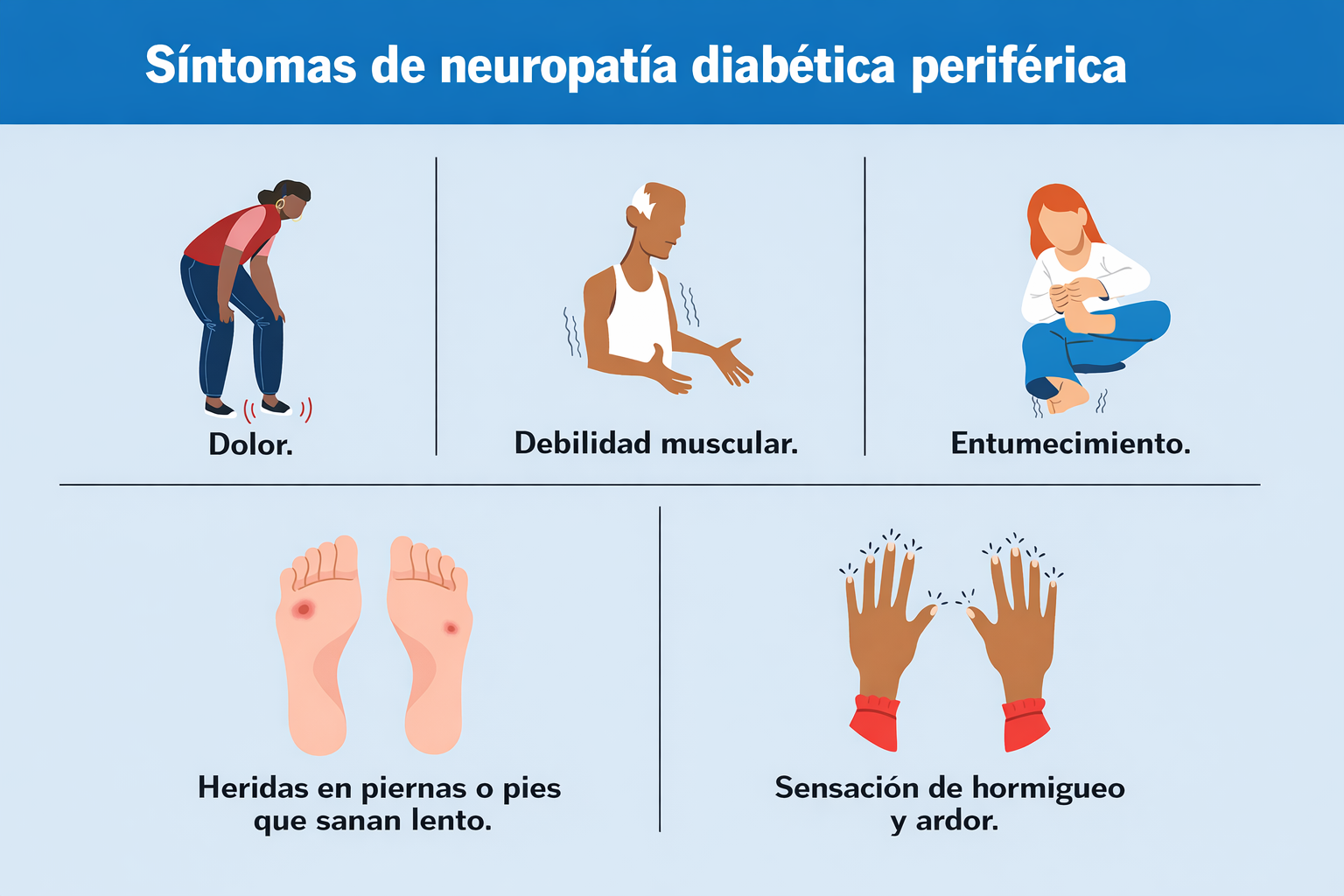
When blood sugar is elevated, the immune system works worse. This results in cuts that take time to close, frequent infections and the constant reappearance of fungi, especially on feet and wet areas of the body.
7. Numbness, burning, or tingling in the legs
These sensations can be the first manifestations of diabetic neuropathy, even before diabetes is formally diagnosed. Nerve damage begins silently and progressively.
8. Increased belly fat without dietary changes
The accumulation of fat in the abdomen, even without eating more than before, is closely related to insulin resistance. It is not only an aesthetic issue, but an important metabolic indicator.
9. Frequent hunger and sugar cravings
Eating and soon after feeling intense hunger again, especially for sweet foods or flours, may indicate that glucose is not entering the cells properly. The body asks for more energy because it cannot use the energy it already has.
The most dangerous symptom: not feeling anything
The prediabetes stage can be completely asymptomatic. There is no pain, no clear discomfort, but blood vessels, nerves, and organs are already beginning to be damaged. That is why it is known as the silent killer. Waiting to “feel bad” can be a serious mistake.
Key tests to detect prediabetes
Not all studies can detect the problem early. The most important are:
- Fasting glucose
- Glycosylated hemoglobin (HbA1c)
- Fasting insulin
Prediabetes begins when these values exceed normal, even if they do not yet reach diabetes figures. The positive thing is that in this phase the process can be reversed with appropriate changes in diet, regular movement and medical follow-up.
Why does acting in time make a difference?
Detecting prediabetes early can prevent future complications such as cardiovascular damage, neuropathies and kidney problems. It’s not just about “lowering sugar,” but about protecting the entire metabolic system.
 This content is not a substitute for a face-to-face medical consultation.
If you recognize yourself in
, consult a health professional and carry out the corresponding tests.
👉 Follow our page, like 👍, and share this post. Every click can make a difference—perhaps saving your own life or that of a loved one.