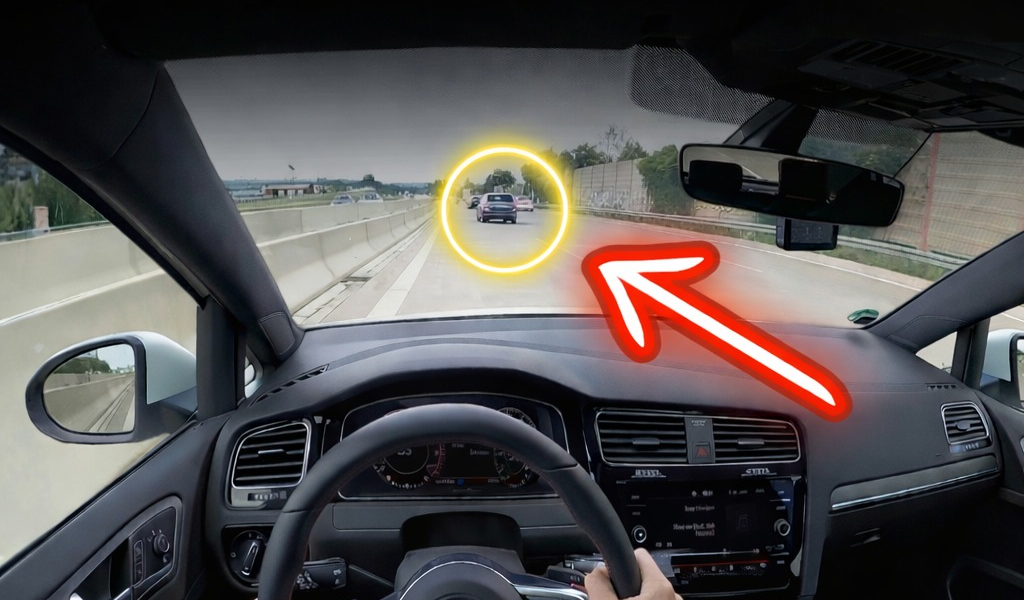
Road signs that indicate danger and why it is advisable to keep a distance when driving.
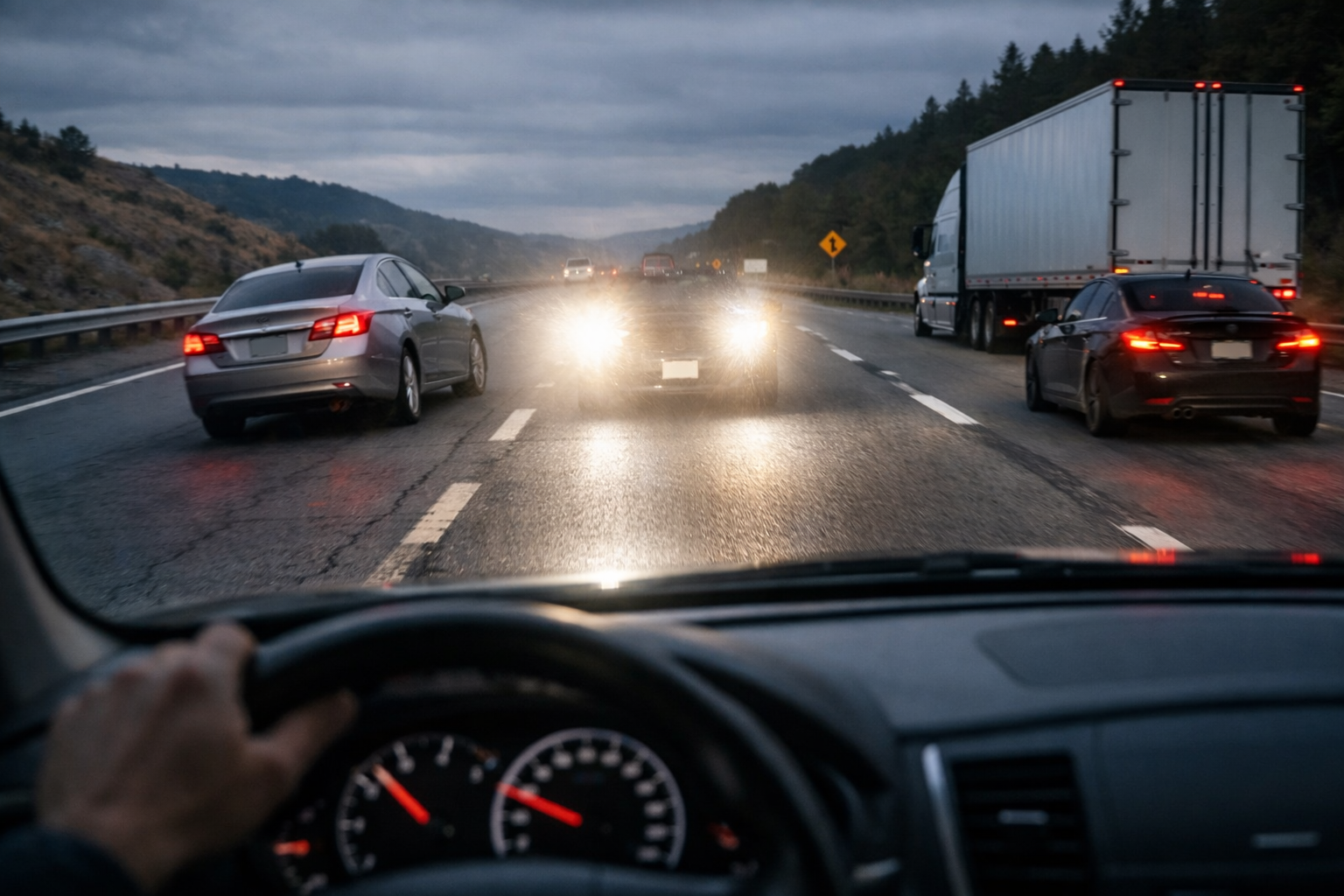
When you’re on the road, there are clear signs that indicate that a driver poses a real danger, even before an accident occurs. Recognizing these behaviors in time can make the difference between reaching your destination or experiencing a serious situation.
One of the most obvious signs is erratic driving: vehicles that do not maintain their lane, swerve for no apparent reason, invade the opposite lane or abruptly correct the steering wheel. This type of driving is usually associated with extreme distraction, alcohol consumption or drowsiness, three of the most dangerous factors on the motorway.
Why it’s so risky to try to pass
Passing an unstable driver is one of the most delicate maneuvers on the road. If that vehicle moves unexpectedly into your lane at the time of passing, there is no room for reaction, especially at speeds above 90 or 100 km/h.
A high-speed side or rear impact can result in a complete loss of control of the vehicle. The blow to the rear is particularly dangerous, as it generates a spin that is almost impossible to correct, even for experienced drivers.
How to act in the face of an erratic driver
The key is not haste, but anticipation and caution:
- Observe the vehicle’s behavior from a sufficient distance.
- If you notice strange movements, don’t rely on an immediate overtake.
- You can do a high beam change briefly to make sure the other driver has seen you.
- Matching its speed for a few seconds allows you to assess whether it will invade your lane.
- If during that time the vehicle crosses towards you, brake immediately and keep your distance.
- Only accelerate and pass when you are sure that the driver has detected you and maintains their lane.
The main objective should always be to avoid contact, because at high speeds any friction can end badly.
Speed and real context of motorways
On many roads in Latin America, highways are not designed for extreme speeds. There are subsidences, slopes, irregular areas and mixed traffic: slow cars, trucks, old vehicles and only two lanes in many sections.
Maintaining a moderate speed reduces the difference between vehicles and decreases sudden reactions. Driving too fast forces dangerous braking when you encounter much slower cars in the passing lane.
Tips and recommendations
- Always maintain a wide safety distance.
- Be wary of any vehicle that does not maintain its lane.
- Avoid passing if the driver’s behavior is unpredictable.
- Use lights preventively, not aggressively.
- Maintain a constant speed according to the real state of the road.
- Remember that arriving a few minutes early is not worth an accident.
On the road, prudence saves lives. Identifying dangerous drivers, respecting reasonable speeds, and avoiding impulsive maneuvers is the best way to protect yourself and those traveling with you. Driving well is not going faster, it is arriving safely.
👉 Follow our page, like 👍, and share this post. Every click can make a difference—perhaps saving your own life or that of a loved one.