
What happens when we eat oregano
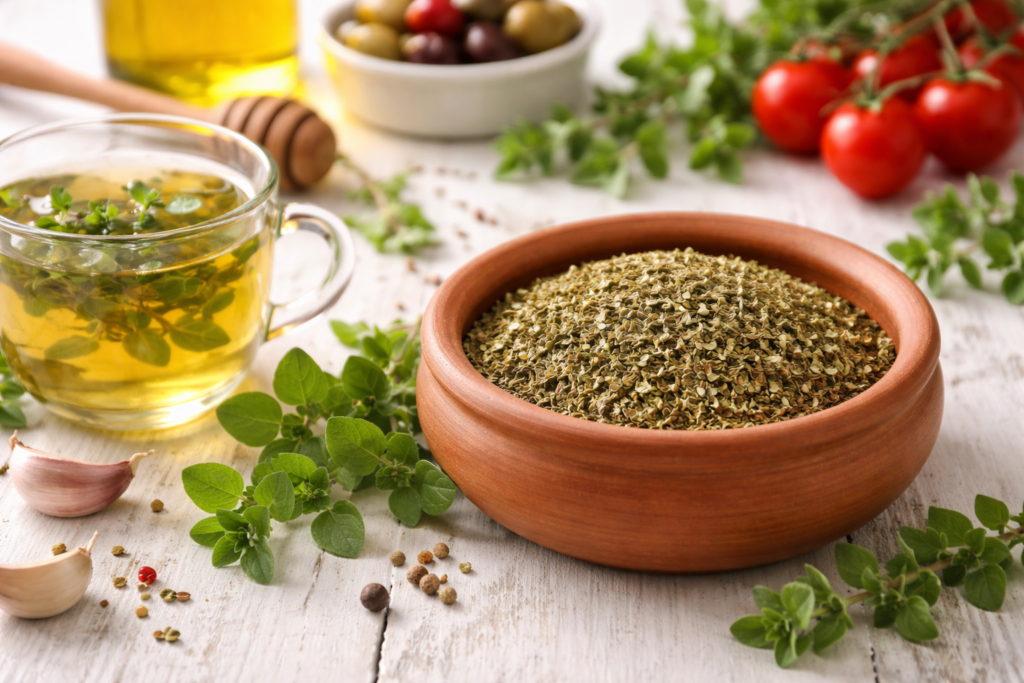
Oregano is an aromatic herb well known for its use in Mediterranean and Latin American cuisine, but beyond its flavor, what happens in our body when we consume it? More and more people are becoming interested in the effects that this plant can have on health, from controlling blood sugar to defending against microorganisms.
Active compounds of oregano
This plant contains various bioactive compounds, such as carvacrol, thymol, various flavonoids and polyphenols, which act as antioxidants and can influence different functions of the body. These elements do not act as medicines, but as natural supports when they are part of a balanced diet.
Possible health effects
1. Support for glucose metabolism
Some preliminary studies suggest that the antioxidants and compounds in oregano might help improve insulin sensitivity and slow down the absorption of sugars after meals. This doesn’t mean oregano cures or treats diabetes, but it can be part of a healthy dietary approach for those who are keeping an eye on glucose control.
2. Antioxidant properties
The antioxidants present in oregano help protect cells from oxidative stress, a process associated with aging, inflammation, and some chronic diseases such as cardiovascular diseases. These effects are mostly seen in laboratory and animal studies, and more research in humans is needed.
3. Anti-inflammatory action
Oregano contains compounds that have been shown to reduce inflammatory processes in the body. This can translate, in theory, into relief of mild muscle discomfort or support in states with chronic inflammation, although the effects depend on the amount and form of consumption.
4. Antimicrobial effects
Thanks to its components such as thymol and carvacrol, oregano has a natural antimicrobial activity, which means that it can help fight bacteria or fungi on a microscopic level. This is part of why it has been traditionally used in home remedies for certain mild infections or as immune system support.
5. Digestive and respiratory benefits
Both the infusion of oregano leaves and their moderate intake have traditionally been used to promote digestion, reduce stomach discomfort or relieve cold and cough symptoms. Its effect may be due to its combination of antioxidants, essential oils, and fiber.
How to Consume Oregano
Oregano can be incorporated into the diet in different ways:
- Fresh or dried at meals (e.g., in sauces, salads, stews).
- Oregano infusion, prepared with leaves and hot water.
- Oregano essential oil, which is more concentrated and is recommended to use with caution.
It’s always preferable to start with normal culinary amounts before considering supplements or essential oils, which can be very potent.
Precautions and Side Effects
Although oregano in typical cooking amounts is safe for most people, there are some important considerations:
- Concentrated oregano oil may cause stomach upset or drug interactions.
- People who are taking blood thinners, diabetes medications, or are pregnant and breastfeeding should first consult with a healthcare professional before using oregano supplements.
- Excessive consumption can cause digestive irritations in some people.
Conclusion
Eating oregano as part of a balanced diet can offer interesting nutritional and biological supports, thanks to its antioxidants, anti-inflammatory compounds, and antimicrobial properties. However, it is not a substitute for medical treatments, and its actual benefits depend on many factors, including the amount and manner of consumption. It is always advisable to combine its use with a varied diet, physical activity, and professional guidance when it comes to specific health conditions.
👉 Follow our page, like 👍, and share this post. Every click can make a difference—perhaps saving your own life or that of a loved one.