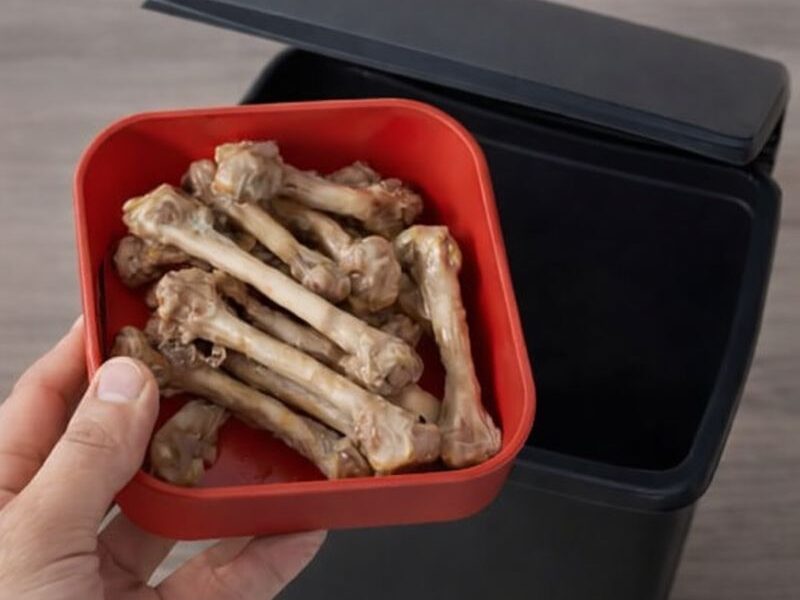
Why it is advisable to take advantage of chicken bones and a practical idea for the home.

In the kitchen there are gestures that we repeat without thinking: we eat chicken, we put the bones aside, we throw them in the trash and we go on with the day. However, what many don’t know is that those bones we discard contain key nutrients that can transform the health of your plants.
Far from being useless waste, chicken bones can be turned into a high-quality natural fertilizer if processed correctly. It is not a matter of simply burying them or waiting for miracles, but of applying a simple method that really works and improves the soil over time.
Why chicken bones are so valuable to plants
Chicken bones are a natural source of essential minerals that many plants need to grow strong and healthy.
Among its main contributions are:
- Calcium, essential for strong roots and firm stems
- Phosphorus, key to good flowering and larger fruits
- Secondary minerals that strengthen the plant’s overall resilience
In addition, these nutrients are released slowly and progressively, which prevents root damage and improves soil structure in the long term.
Of course, there is a fundamental condition: they should never be used raw.
The Right Process for Composting Bones (Step by Step)
This method avoids bad odors, pests, and common problems, and allows you to make the most of nutrients.
1. Initial cleaning
After consuming the chicken:
- Remove any remaining meat or fat
- Rinse the bones thoroughly with water
- Let them drain for a few minutes
This step is key to avoiding decomposition and unpleasant odors.
2. Warming up: the most important step
This is where the real transformation happens. You can choose one of these methods:
- Boil the bones two or three times, changing the water at each boil
- Bake them over medium heat until completely dry
- Toast them in a pan over low heat, stirring constantly
The goal is to kill bacteria, remove the remaining fat, and make the bones brittle.
When they break easily by hand, they are ready.
3. Total drying
Before grinding them, make sure they are free of moisture:
- Leave them in the sun
- Or place them in a well-ventilated place
Humidity ruins the process and favors poor results.
4. Grinding
Crush the bones into a fine powder or small granules. You can use:
- Mortar
- Old blender
- Rugged processor
Avoid leaving large chunks, as they take a long time to decompose in the soil.
How to apply this fertilizer correctly
The way it is used makes the difference between improved soil and a poor result.
In pots
- Mix a tablespoon of the powder with the soil
- Ideal for flowering plants and demanding crops such as tomatoes, peppers or rose bushes
In the garden
- Sprinkle around the plant
- Cover lightly with soil
- Water as normal
This fertilizer does not act immediately. Its effect is progressive and improves the quality of the soil over time.
Common mistakes to avoid
- Burying Whole Bones
- Use them without cooking
- Apply large quantities
- Mix them with moist soil without drying them out
These errors generate bad odors, attract animals and reduce the effectiveness of the fertilizer.
Additional Tips and Recommendations
- Apply the fertilizer once or twice a season, no more
- Combine with vegetable compost for best results
- Store it in a dry, closed jar, it can last indefinitely
- It is ideal for people who are just starting out with plant care
- It does not burn roots, unlike many chemical fertilizers
Chicken bones are not garbage, but a valuable resource. With a simple process, you can turn everyday waste into a natural fertilizer that strengthens the soil, improves the growth of your plants, and reduces waste in the home. The next time you eat chicken, remember that that little habit can make a big difference.