
7 common mistakes when consuming rice that should be avoided to take care of your health.
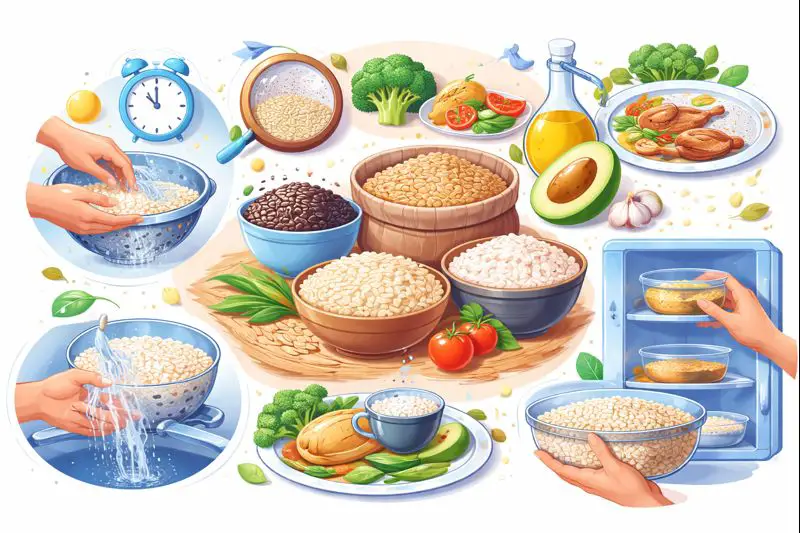
Rice is one of the most consumed foods in the world. It is present on millions of tables every day and is often considered a “safe” accompaniment. However, the way most people choose, cook and consume it can make it a real silent enemy for health.
Consumed incorrectly, rice can cause dangerous blood sugar spikes, promote weight gain, overload the pancreas, and increase the risk of type 2 diabetes, chronic inflammation, and metabolic syndrome. These effects become even more relevant with age, when the body loses efficiency in handling carbohydrates.
The problem is not the rice itself, but how we are using it. Here are the seven most common mistakes you should avoid.
Mistake 1: Choosing the wrong type of rice
Refined white rice is the most popular, but also the most problematic. During processing, the bran and germ, which contain fiber, vitamins and minerals, are removed. The result is almost pure starch, which is quickly transformed into glucose in the body.
This causes sudden elevations in blood sugar, similar to – and even higher – than those of common sugar. On the other hand, options such as brown, red or black rice retain fiber and antioxidants that slow digestion and improve metabolic response.
Best Choice:
- Brown rice, red or black
- If white is consumed, opt for basmati, which has a lower glycemic impact
Mistake 2: Not washing rice properly
Rice may contain inorganic arsenic, a natural contaminant absorbed during cultivation. Constant exposure, even in small amounts, has been associated with cardiovascular, metabolic and neurological problems.
A quick rinse isn’t enough. Washing rice properly can significantly reduce this risk.
How to do it correctly:
- Wash the rice 4 to 5 times
- Use plenty of cold water
- Stir with your hands and discard the water each time
This process also removes excess starch, improving texture and reducing the impact on glucose.
Mistake 3: Cooking it with the traditional absorption method
The classic method of cooking rice with little water and letting it absorb completely concentrates all the starch released during cooking. This increases their caloric density and their effect on blood sugar.
There is a healthier alternative.
Recommended Method:
- Cook the rice with plenty of water (5–6 parts water to 1 part rice)
- Once cooked, drain off excess water
This system removes some of the starch and reduces the final glycemic load of the rice.
Mistake 4: Eating excessive portions
One of the most common mistakes is to serve rice “by eye”. This usually translates into two or three servings on a single plate without noticing it.
Recommended serving:
- Half a cup of cooked rice per meal
- About the size of a clenched fist
Exceeding this amount, even with brown rice, can lead to significant glucose spikes, especially in older adults or people with insulin resistance.
Mistake 5: Eating it freshly cooked without cooling it
When rice is cooled after cooking, some of its starch is transformed into resistant starch, a form that is not fully digested by the body and acts similarly to fiber.
This type of starch:
- Reduces the amount of calories absorbed
- Decreases glycemic impact
- Feeds the gut microbiota
How to apply:
- Cooking the rice
- Let it cool
- Refrigerate for at least 12 hours
- Reheat before consuming
This process does not eliminate its benefits.
Mistake 6: Accompanying it only with other carbohydrates
Combining rice with potatoes, bread, pasta, or banana in the same meal causes an excessive carbohydrate load that spikes blood glucose.
The solution is balance:
- Add protein (chicken, fish, eggs, legumes)
- Include healthy fats (olive oil, avocado, seeds)
- Fill half of the plate with non-starchy vegetables
This combination slows down digestion and improves metabolic control.
Mistake 7: Consuming it at the wrong time of day
The body processes carbohydrates better during the morning and midday. At night, insulin sensitivity decreases, and it’s easier for excess glucose to be stored as fat.
Recommendations:
- Prioritize rice for breakfast or lunch
- Avoid it at dinner or consume a minimal amount
- If eaten at night, it should be early and accompanied by proteins and vegetables
Practical method to eat rice in a healthy way
- Choose brown, red, or black rice
- Wash the rice 4–5 times
- Cook it with plenty of water and drain
- Cool and refrigerate at least 12 hours
- Reheat only the necessary portion
- Limit the amount to half a cup
- Combine it with proteins, healthy fats and vegetables
- Consume preferably during the day
Tips and recommendations
- If you’re just starting out, change only one habit at a time
- Use measuring cups at the beginning to learn the correct portions
- Plan meals in advance to avoid overindulgence
- Pay special attention if you have prediabetes, are overweight or over 60 years old
- Listen to your body: stable energy is a good sign of balance
Rice is not the enemy. The problem is in how it is consumed. With small changes in choice, preparation, quantity, and time of day, rice can remain part of a healthy diet without compromising your well-being. Eating smart today can make a big difference in your future health.