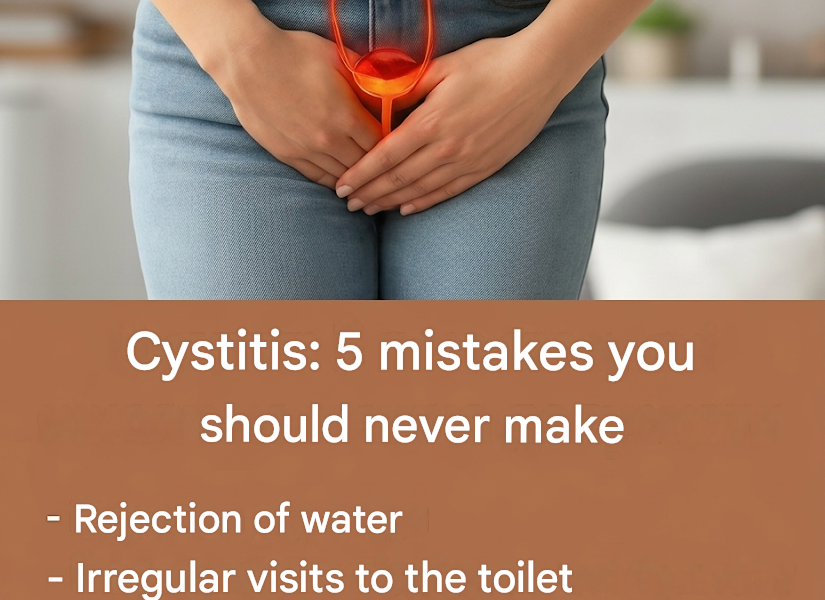
5 mistakes you should never make in case of a urinary tract infection
Cystitis is one of the most common urinary tract infections, especially in women. Although it is usually considered a minor problem, it can cause severe discomfort and, if not treated correctly, lead to more serious complications such as kidney infections.
Many people tend to minimize their symptoms or follow undesirable practices that make the infection worse or cause it to come back again and again. Knowing how to act and what to avoid is key to a quick and complete recovery.
What is cystitis?
Cystitis is an inflammation of the bladder, usually caused by a bacterial infection, although it can also have non-infectious causes (such as chemical irritations or lesions). In most cases, it is caused by bacteria such as Escherichia coli that migrate from the digestive tract into the urethra.
Common Symptoms of Cystitis
- Burning or pain when urinating
- Urgent and frequent need to urinate, even if it is only a few drops
- Pain in the lower abdomen
- Feeling full bladder even after urinating
- Cloudy, foul-smelling, or, in more advanced cases, bloody urine
- General malaise or mild fever
1. Ignoring symptoms and not seeing a doctor
Many people downplay the importance of the first discomforts and believe that “it will pass on its own”. Delaying treatment can allow the infection to progress to the kidneys, posing a much greater risk.
2. Self-medicating with leftover antibiotics
Taking over-the-counter medications can mask symptoms, build bacterial resistance, or not be the right treatment for the type of bacteria affecting you. You should always have an analysis and follow the treatment indicated by a professional.
3. Not drinking enough water
Hydration is critical to helping the body eliminate bacteria through urine. Drinking little water promotes the concentration of bacteria in the bladder.
4. Holding back the urge to urinate
Holding urine for too long allows bacteria to multiply inside the bladder. It’s important to empty it frequently, even if you feel like it doesn’t come out much.
5. Using irritating products for intimate hygiene
Scented gels, douches or harsh soaps can alter the natural pH and promote bacterial growth. It is better to opt for water and neutral products.
Additional Tips to Prevent and Treat Cystitis
- First and foremost, consult a specialist.
- Always urinate after having intimate relations.
- Wear cotton underwear and avoid clothes that are too tight.
- Incorporate blueberries or cranberry juice into your diet, as they help prevent bacterial adhesion.
- Avoid excessive consumption of coffee, alcohol, and spicy foods during an infection, as they can further irritate the bladder.
- Maintain proper hygiene, but without excesses or aggressive products.