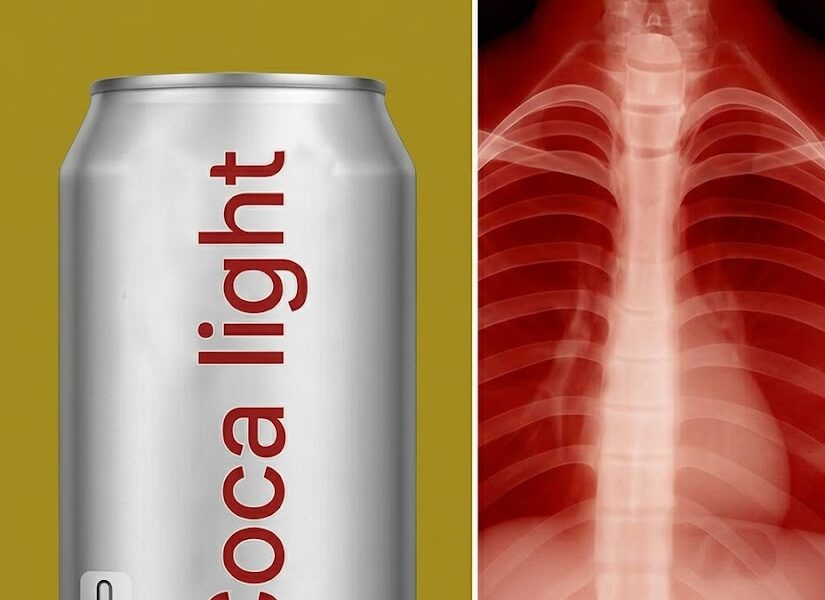
If You Drink Diet Soda, Here’s What’s Really Going On In Your Body
Many people choose light or “sugar-free” soft drinks as a healthier alternative to traditional versions. The marketing behind these drinks promises to keep us away from sugar and weight gain, but the reality behind what happens in our bodies when we consume them can be very different.
Below, we analyze the effects that diet soft drinks can have and what you should consider if you consume them regularly.
1. Your brain reacts like it’s real sugar
Although diet soft drinks do not contain sugar, their sweet taste activates the same brain receptors that are stimulated when we consume real sugar. This can generate a false sense of reward that, in the long run, increases the desire to consume sweets or caloric foods. Some studies suggest that this type of calorie-free stimulation can lead to imbalances in appetite regulation.
Tip: If you are trying to reduce your sugar intake, it is better to opt for natural infusions without sugar or homemade flavored waters, to avoid confusing the body.
2. They can alter the gut microbiota
Artificial sweeteners such as aspartame, sucralose or saccharin, present in diet soft drinks, can modify the composition of intestinal bacteria. This can have negative effects on digestion, nutrient absorption, and even the immune system.
Tip: Incorporate more fermented foods and prebiotics into your diet by consuming these drinks frequently. Natural yogurt, kefir and vegetable fiber will help take care of your intestinal flora.
3. Increased risk of metabolic problems
Although they have no calories, several studies have linked regular consumption of diet soft drinks with an increased risk of metabolic syndrome, insulin resistance and even type 2 diabetes. This is due, in part, to how sweeteners affect taste perception and glucose metabolism.
Tip: Don’t rely on “sugar-free” labels. Pay attention to how often you consume these products and balance your diet with natural foods.
4. Potential impact on cardiovascular health
Some studies have also detected a relationship between excessive consumption of diet drinks and an increased risk of cardiovascular disease, especially in older people. Although this association is still being investigated, it is believed that the impact on the microbiota, metabolism and blood pressure may be behind this risk.
Tip: If you have a family history of hypertension or heart problems, avoid daily consumption of artificially sweetened beverages.
5. They can cause fluid retention or swelling
The gases present in soft drinks, along with some additives, can cause bloating or fluid retention. This is especially common in people with sensitive digestion or irritable bowel.
Tip: If you notice bloating after consuming these drinks, try reducing their frequency and prioritizing non-carbonated options such as lemon water or diluted natural juices.
Consuming diet soft drinks from time to time is not a serious problem, but regular consumption can have unexpected effects. The most important thing is to maintain a balanced diet, inform yourself about what you eat and not blindly trust “sugar-free” labels. Choose more natural options, and your body will thank you!