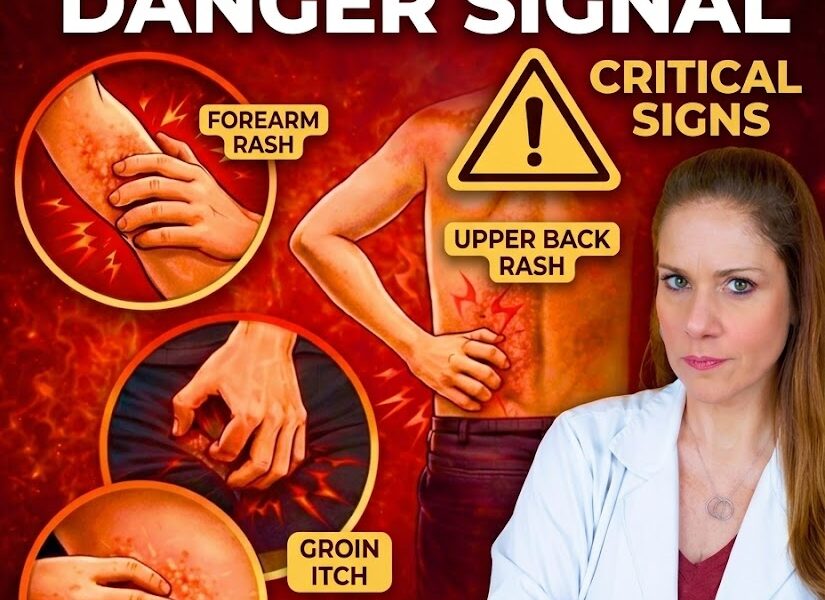
3 areas of the body where itching can be a sign to pay attention to.
Itching is common. We have all, at some point, felt that uncomfortable need to scratch ourselves. Many times it is nothing serious: dry skin, allergies, heat or temporary irritations.
However, there are three types of itching that deserve special attention, especially when they are intense, persistent and have no obvious cause in the skin. In certain cases, they can be a sign that something deeper is going on in the body.
Below, I explain what they are and when it is important to consult a doctor.
1. Intense itching on the palms of the hands and soles of the feet
Occasional mild discomfort in these areas may be normal. But it’s a red flag when the itching is:
- Deep and intense
- Persistent
- Worse at night
- No visible skin lesions
In these cases, it can be related to liver problems, especially when there is an alteration in the flow of bile.
The liver produces bile to help digest fats. When that flow is impaired, certain substances can build up in the blood and irritate nerve endings from inside the body. That is why the person feels intense itching, even if the skin looks normal.
Signs that accompany this itching:
- Excessive tiredness
- Urine darker than usual
- Lighter stools
- Yellowing of skin or eyes
In this case, it is not enough to change soap or apply creams. Medical studies are essential to evaluate liver function.
2. Persistent anal or genital itching
It’s a sensitive topic, and many people are embarrassed to talk about it. However, ignoring it can delay an important diagnosis.
It may be related to:
- Hygiene problems
- Candidiasis
- Hemorrhoids
- Dermatitis
- Local infections
In many cases, these are treatable and not serious conditions. But when itching:
- It lasts for several weeks
- Does not improve with basic care
- Constantly reappears
- It is accompanied by pain, bleeding, or discharge
It must be evaluated by a professional.
In less frequent situations, it can be associated with chronic inflammatory diseases or even tumors in the anal or genital region. This does not mean that all intimate itching is cancer, but it does mean that persistence is a warning sign.
The recommendation is clear: do not be ashamed and consult.
3. Generalized itching all over the body, with no visible lesions
When the skin looks normal but the person feels intense and diffuse itching, especially at night, it may be a systemic problem.
This type of itching may be related to:
- Kidney problems
- Blood changes
- Metabolic disorders
The kidneys filter toxins from the body. If they don’t work properly, those substances can build up and cause widespread itching.
Associated symptoms that increase worry:
- Swelling
- Extreme fatigue
- Change in the frequency or amount of urination
- High blood pressure
- Poorly controlled diabetes
Early-stage kidney disease may not cause pain, so itching may be one of the first symptoms.
Other possible causes of persistent itching
In addition to these three scenarios, itching can also be related to:
- Anemias and blood disorders
- Some types of lymphoma
- Hormonal changes (such as hypothyroidism)
- Side effects of medications (antibiotics, opioids, blood pressure drugs, or cholesterol)
- Autoimmune diseases
- Chronic infections
A medication should never be discontinued without medical indication. If the itching began after starting treatment, it is important to consult with you to adjust doses or evaluate alternatives.
Tips and recommendations
- Look at the duration, intensity, and location of the itching.
- Pay attention to associated symptoms such as tiredness, skin changes, urine color, or weight loss.
- Maintain good hydration and take care of your skin with appropriate creams.
- Avoid excessive scratching so as not to cause injury.
- Don’t ignore persistent symptoms for weeks.
- Get regular checkups, especially if you’re over 50 or have chronic conditions.
- Always consult before self-medicating.
Itching isn’t always a simple thing. Sometimes it’s just a temporary discomfort, but other times it can be a sign that the body is asking for attention. Listening to those warnings and acting early can make a big difference in your health.