27.07.2026
The Most Dangerous Way to Thaw Food (and Many Do It Unknowingly)
We all want to save time in the kitchen, but there are everyday practices that can put our health at risk without us knowing it. One of the most common is the way we thaw food.
Although it may seem harmless, doing it incorrectly can lead to the proliferation of dangerous bacteria and increase the risk of food poisoning. That is why it is essential to know what we should not do and what are the best options to defrost safely.
What is the most dangerous way to thaw food and why?
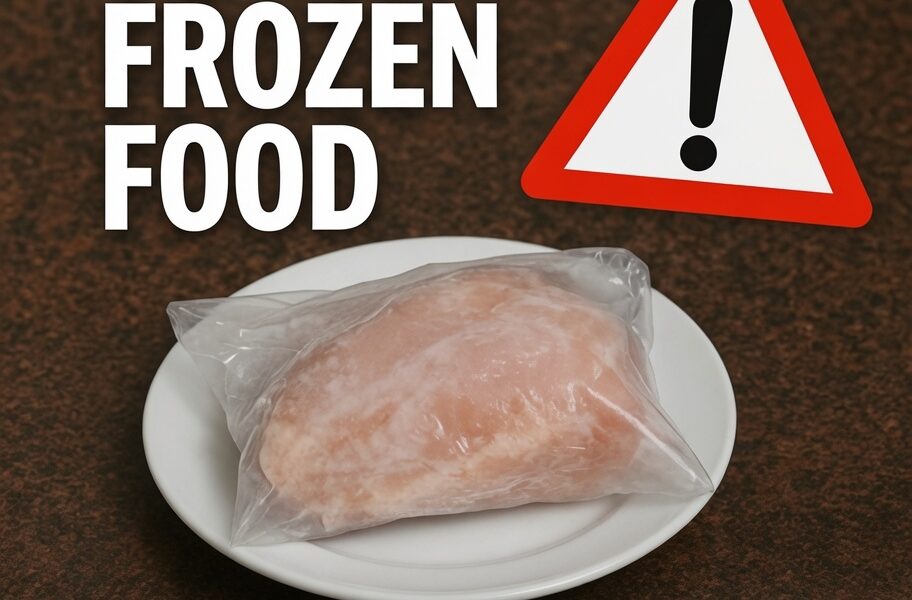
The most dangerous and at the same time most common practice is to leave food thawing at room temperature, usually on the kitchen counter.
- The danger: While the inside of the food is still frozen, the surface reaches temperatures where bacteria multiply rapidly. Microorganisms such as salmonella or E. coli can grow in a matter of hours, contaminating food even before it is ready to cook.
- False security: Many people believe that after cooking, heat will kill any bacteria. However, the toxins released by these bacteria can survive the cooking process.
The Right Way to Defrost Food
1. In the refrigerator
It is the safest option.
- Place the food in a container inside the refrigerator.
- The process is slow, but it keeps the food at a safe temperature.
- Ideal for meats, fish and chickens.
2. In cold water
A faster method, but one that requires attention.
- Place the food in an airtight bag.
- Immerse it in cold water, changing it every 30 minutes.
- Never use hot water, as it promotes the proliferation of bacteria.
3. In the microwave
It is the fastest option, but it should be used with caution.
- Use the defrost function.
- Cook immediately afterward, as some parts of the food begin to cook and can be left in the “danger zone” of bacteria if not cooked right away.
Practical tips for defrosting safely
- Plan ahead: organize your meals to defrost ahead of time in the refrigerator.
- Small portions: freeze in smaller parts, so the thawing will be faster and more uniform.
- Never refreeze a raw food that has already been thawed. You can only refreeze it if you cooked it beforehand.
- Avoid improvising: no leaving meat on the counter, near the window or exposed to the sun.