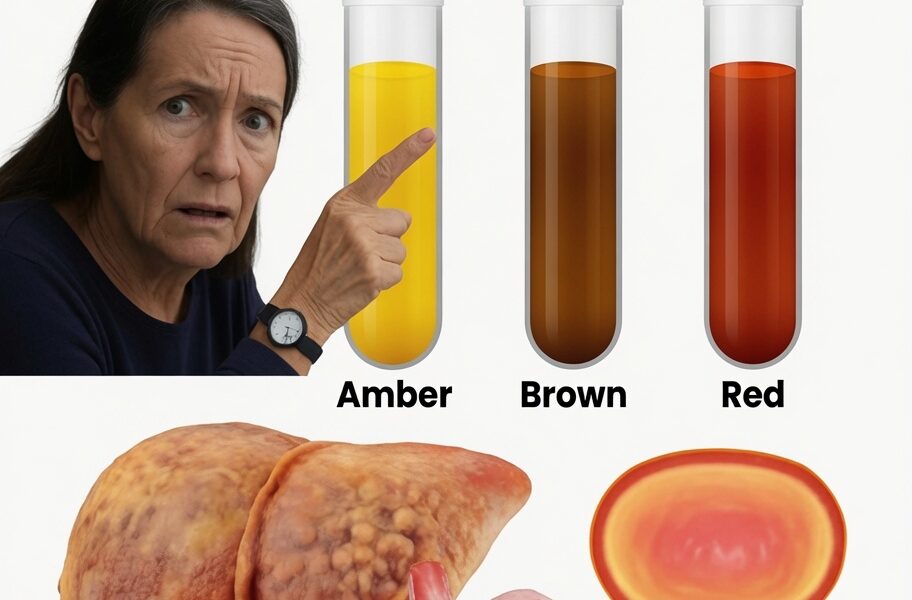
What does the color of urine tell us according to experts?
Urine is one of the clearest indicators of the general state of our health. Although it often goes unnoticed, observing its color can give us important clues about our level of hydration, the function of the kidneys and the presence of possible diseases.
According to experts in urology and nephrology, small changes in the tone of the urine can be warning signs that are worth attending to in time. Understanding what our body wants to tell us through urine is a simple and effective way to take care of our health day by day.
Specialists agree that the color of urine can change for multiple reasons, such as what we eat, the medications we take, the level of hydration or certain medical conditions. Here’s a guide to the most common colors and their possible meaning:
1. Transparent or very clear
It indicates that you are drinking a lot of water. Although it’s a sign of good hydration, completely clear urine can suggest that you’re overhydrated, which can disrupt the balance of minerals in your body.
2. Pale yellow
This is the ideal color. It reflects adequate hydration and good kidney function. This is what experts consider the “healthy” color.
3. Deep yellow or amber
It could indicate that you’re starting to get dehydrated. It’s a signal to drink more water during the day.
4. Honey or light brown color
It suggests more severe dehydration. It is important to increase fluid intake immediately.
5. Dark Brown
It can be a sign of extreme dehydration or a liver problem. It may also be due to certain medications. If it persists, it is essential to consult a doctor.
6. Reddish or pink
It could be due to foods such as beets or berries, but it can also be a sign of blood in the urine, which requires immediate medical attention.
7. Orange
It may be due to medicines, dehydration, or problems with the liver or bile ducts. It should not be ignored if the color is maintained for several days.
8. Blue or Green
Although rare, some food dyes or medications can stain urine. It can also be a sign of a rare genetic infection or disorder.
9. Foamy or Lingering Bubbles
It could signal a high amount of protein in the urine, which may be related to kidney problems. If it happens frequently, you should see a specialist.
What to do when we notice that the urine is very dark?
Very dark urine is usually linked to dehydration, but it can also be a sign of more serious problems, such as liver disorders, urinary tract infections, or medication side effects. If you notice that your urine is brown, very intense amber or reddish without having eaten food that justifies it, it is important:
- Increase water intake immediately.
- Observe if the color persists during the day or the following days.
- Write down if there are other symptoms such as pain, fever, bad odor or tiredness.
- Consult a doctor if the dark color does not disappear in 24 to 48 hours.
Tips
- Drink at least 2 liters of water per day, more if it’s hot or you exercise.
- Pay attention to regular color changes.
- Avoid excess caffeine and alcohol, which can dehydrate.
- Eat water-rich fruits and vegetables (such as watermelon, cucumber, or oranges).
- Don’t self-medicate if you see a strange change in your urine.
- Get regular urine tests as part of your checkups.
Urine may seem like something insignificant, but in reality, it is one of the easiest signals to observe to detect imbalances in the body. Listening to what the body tells us through its colors is a simple act… but powerful.