08.03.2025
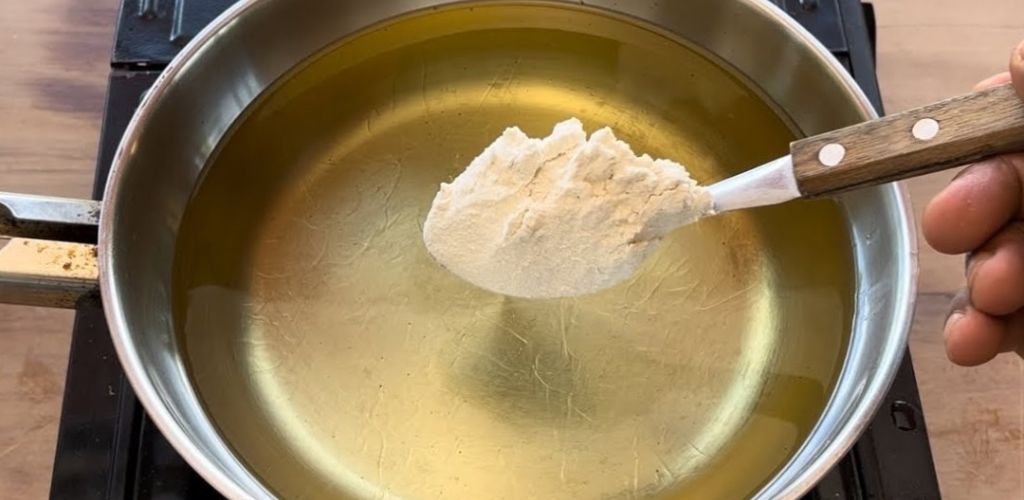
Throw flour into hot oil and you won’t want to do it any other way.
This technique, often referred to as a “roux” or a “slurry” depending on how it’s done, is a foundational cooking method used in many cuisines. Here’s a breakdown of why it’s so effective and what you can achieve:
What Happens When You Add Flour to Hot Oil (or Fat):
- Roux Formation:
- When flour is cooked in hot fat (butter, oil, or other), the starch granules in the flour swell and burst. This process creates a thickening agent.
- The longer you cook the roux, the darker it becomes, and the nuttier its flavor.
- Different roux colors (white, blonde, brown, dark brown) are used for different dishes, influencing both flavor and thickening power.
- Slurry Formation:
- If you add flour to oil that is not as hot, or if you add a lot of flour at once, it can clump. A slurry is often made by mixing flour with cold water or broth before adding it to a hot liquid. This is another thickening technique.
Why It’s So Useful:
- Thickening Sauces and Soups:
- Roux is the base for many classic sauces like béchamel, velouté, and gravy.
- It creates a smooth, creamy texture.
- Slurries are used in many Asian dishes, and in many gravies as a quick thickening agent.
- Creating a Base for Flavor:
- The cooking process develops the flavor of the flour, adding depth to the dish.
- The fat also carries the flavor of the roux, enhancing the overall taste.
- Preventing Lumps:
- Cooking the flour in fat before adding liquid helps to prevent lumps from forming.
- Adding a slurry, that is mixed with a cold liquid, into a hot liquid, also helps to prevent lumps.
Key Considerations:
- Temperature Control:
- The temperature of the oil and the cooking time will affect the color and flavor of the roux.
- Ratio of Flour to Fat:
- The ratio of flour to fat will determine the thickness of the sauce.
- Whisking:
- Whisking constantly is essential to prevent lumps from forming.
In summary:
This technique is a fundamental building block in cooking, allowing you to create smooth, flavorful sauces and thicken soups with ease. It’s a skill that elevates your cooking and allows you to create many delicious dishes.