10.03.2025
How to remove mold from baseboards, walls, and ceilings – quickly and without harmful chemicals!
Dealing with mold can be concerning, but it’s good you’re looking for natural, less harmful solutions. Here’s a breakdown of how to remove mold from baseboards, walls, and ceilings without resorting to harsh chemicals:
Understanding the Basics:
- Ventilation is Key: Mold thrives in damp environments. Before and during cleaning, ensure good ventilation by opening windows and using fans.
- Address the Source: Simply cleaning the mold won’t solve the problem if the underlying moisture issue isn’t fixed. Look for leaks, condensation, or poor ventilation.
- Safety First: Even with natural cleaners, wear protective gear like gloves, a mask, and eye protection to minimize exposure to mold spores.
Natural Mold Removal Methods:
- White Distilled Vinegar:
- Vinegar is a mild acid that can kill many mold species.
- How to:
- Pour undiluted white vinegar into a spray bottle.
- Spray the moldy area thoroughly.
- Let it sit for about an hour.
- Wipe the area clean with a damp cloth.
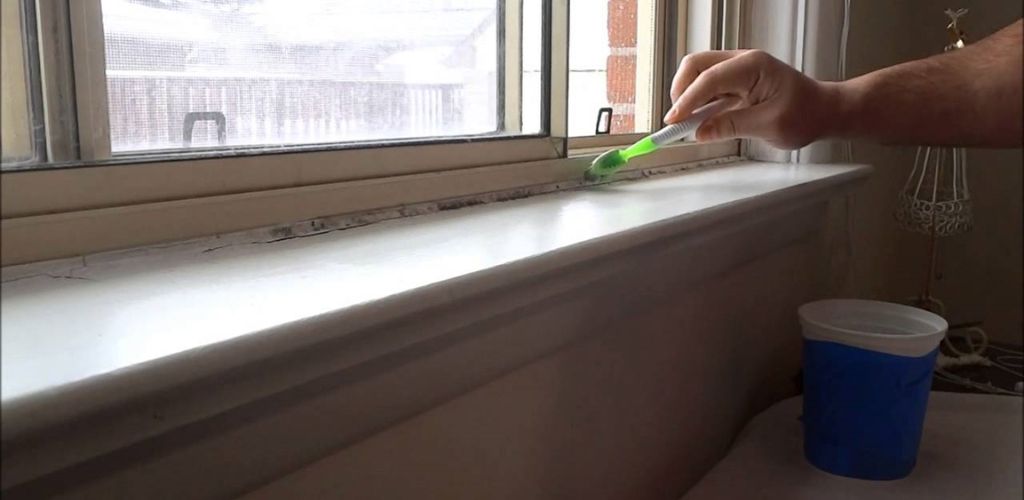
- For stubborn mold, scrub gently with a brush.
- Benefits: Affordable, readily available, and effective.
- Baking Soda:
- Baking soda is a mild abrasive and deodorizer that can also inhibit mold growth.
- How to:
- Mix a teaspoon of baking soda with two cups of water in a spray bottle.
- Shake well to dissolve.
- Spray the moldy area.
- Scrub with a brush if needed.
- Wipe clean with a damp cloth.
- Alternatively you can make a paste of baking soda and water, apply it to the mold, let it sit, and then scrub it away.
- Benefits: Odorless, safe, and helps prevent mold recurrence.
- Hydrogen Peroxide:
- 3% hydrogen peroxide is an effective antifungal agent.
- How to:
- Pour hydrogen peroxide into a spray bottle.
- Spray the moldy area thoroughly.
- Let it sit for 10-15 minutes.
- Wipe clean with a damp cloth.
- Benefits: Effective, readily available, and relatively safe.
- Tea Tree Oil:
- Tea tree oil is a potent natural antifungal.
- How to:
- Mix 1 teaspoon of tea tree oil with 1 cup of water in a spray bottle.
- Spray the moldy area.
- Let it sit for an hour, then wipe clean.
- Note: Tea tree oil has a strong odor.
- Benefits: Very effective antifungal.
Important Notes:
- Porous Materials: For porous materials like drywall or wood, mold can penetrate deeper. In severe cases, these materials may need to be replaced.
- Large Mold Infestations: If you have a large mold infestation (more than 10 square feet), it’s best to consult a professional mold remediation service.
- Prevention:
- Control humidity levels in your home.
- Ensure proper ventilation.
- Promptly repair any leaks.
- Regularly clean and dry damp areas.
By using these natural methods and addressing the underlying moisture issues, you can effectively remove mold and create a healthier home environment.