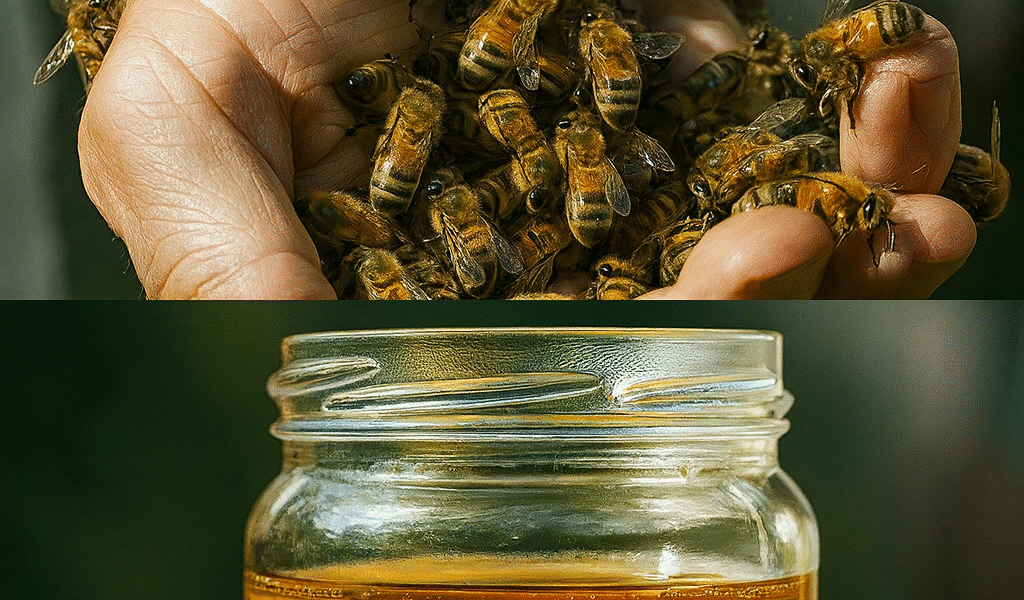
Grow a Bee Sanctuary: The Best Plants to Help Our Pollinator Friends Thrive 🐝🌸
Bees are nature’s tiny superheroes—responsible for pollinating a huge variety of plants that give us fruits, vegetables, nuts, and seeds. Without them, our food supply and ecosystems would suffer greatly. But bee populations are declining worldwide, threatened by habitat loss, pesticides, and disease.
The good news? You can make a difference—right in your own backyard. By planting bee-friendly flowers and herbs, you can create a safe, nourishing haven that helps keep these vital pollinators buzzing.
🌼 Why Plant Bee-Friendly Gardens?
Bee-friendly plants provide two essentials: nectar for energy and pollen for protein. When you fill your garden with these plants, you’re not only helping bees survive—you’re supporting a healthier, more biodiverse ecosystem. And as a bonus, more bees mean better pollination for your fruits, veggies, and flowers.
🌱 Top Bee-Friendly Plants to Grow
1. Lavender (Lavandula)
- Why Bees Love It: Rich in nectar and heavenly in scent, lavender draws bees from far and wide.
- How to Grow: Plant in full sun with well-drained soil. Space 18 inches apart for healthy growth and airflow.
2. Sunflowers (Helianthus)
- Why Bees Love It: A goldmine of pollen and a beacon to pollinators.
- How to Grow: Sow seeds 1 inch deep, 6 inches apart, in a sunny location. Keep the soil moist until established.
3. Borage (Borago officinalis)
- Why Bees Love It: Constantly replenishes its nectar, keeping bees coming back.
- How to Grow: Plant directly in the garden in spring. Full sun, well-drained soil, and 12 inches of space per plant are ideal.
4. Foxglove (Digitalis)
- Why Bees Love It: The tubular blooms are perfectly shaped for bees to access nectar.
- How to Grow: Prefers partial shade and moist, rich soil. Space 15 inches apart.
5. Rosemary (Rosmarinus officinalis)
- Why Bees Love It: Provides nectar nearly all year, giving bees a steady food source.
- How to Grow: Plant in sunny, well-drained spots. Space cuttings or seedlings 2 feet apart.
6. Coneflower (Echinacea)
- Why Bees Love It: Hardy, low-maintenance, and irresistibly attractive to pollinators.
- How to Grow: Full sun or partial shade, moderately fertile soil, and spacing of 1–3 feet.
7. Mint (Mentha)
- Why Bees Love It: Nectar-rich blooms and a scent bees adore.
- How to Grow: Best in pots to prevent spreading. Place in sun or partial shade, keep well-watered.
🌍 Tips for Creating a Bee Paradise
- Offer Fresh Water: Bees need hydration. Provide a shallow dish with pebbles for safe landing.
- Go Organic: Avoid pesticides—opt for natural pest control.
- Plant in Clusters: Bees prefer patches of flowers rather than single scattered plants.
- Stagger Bloom Times: Mix early, mid, and late bloomers so food is available year-round.
By filling your garden with bee-friendly plants, you’re not just planting flowers—you’re planting hope. A garden alive with the hum of bees is a garden full of life, resilience, and beauty.
So, grab your gloves, pick your plants, and create a buzzing sanctuary that helps protect one of the planet’s most important creatures.