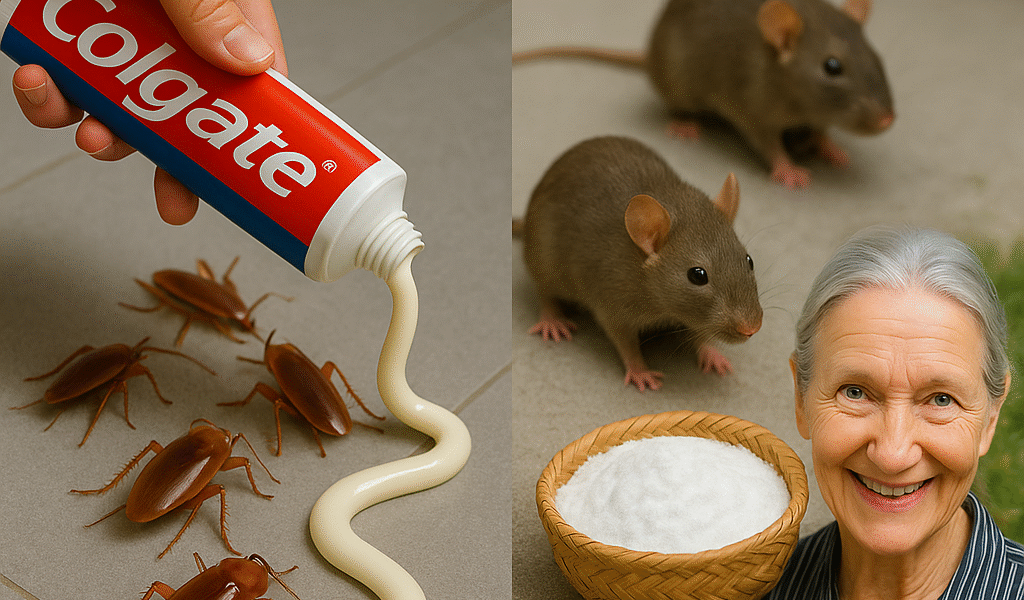
Stop Wasting Money on Poisons: How Toothpaste Can Help Keep Mice, Cockroaches, and Ants Away
Pest problems can turn any home into a battleground. A trail of ants across the kitchen counter, a cockroach darting across the bathroom floor, or mice sneaking into the pantry—not only are they unpleasant, they can also bring health risks and endless cleaning.
Most people immediately reach for chemical sprays, poisons, or traps. But what if a simple tube of toothpaste could help? Surprisingly, many homeowners swear by this affordable, everyday item as a handy pest deterrent.
This article explores how toothpaste can be used to discourage common household pests, why it might work, and how to use it safely around your family and pets.
Why Pest Control Matters
Rodents and insects aren’t just annoying—they can carry bacteria, allergens, and even parasites into your home. According to the Centers for Disease Control and Prevention (CDC):
- Mice and cockroaches can spread harmful bacteria.
- Ants can contaminate food and damage wood or insulation.
- Cockroach droppings and rodent dander can trigger allergies.
- Mice can chew through wires, causing costly damage or even fire hazards.
Keeping your home clean and sealed is the first line of defense—but sometimes you need an extra trick up your sleeve.
Why Toothpaste Works (Surprisingly Well)
It might sound strange, but certain types of toothpaste—especially mint-flavored—contain ingredients pests dislike:
- Peppermint oil and menthol: Strong scents that ants, mice, and roaches find unpleasant.
- Overpowering aroma: Masks food smells, disrupting scent trails.
- Sticky texture: Creates a mild barrier for crawling pests.
While toothpaste isn’t a permanent fix, it can be a quick, low-cost way to discourage pests while you plan a longer-term solution.
How to Use Toothpaste Against Common Pests
1. Ants
Ants rely on scent trails to find food. Disrupting these can keep them away.
How to do it:
- Find entry points (windowsills, cracks, door frames).
- Apply a thin line of mint toothpaste around these areas.
- Reapply daily or after cleaning.
💡 Extra tip: Mix toothpaste with a little baking soda and dab it onto small pieces of paper—place them near ant trails.
2. Cockroaches
Roaches hate strong minty smells.
DIY trick:
- Mix toothpaste with a bit of sugar and flour.
- Place small dabs on cardboard or in shallow lids under appliances.
- The sugar attracts them, but the smell and texture may drive them away.
⚠️ Note: This is a deterrent, not a killer—pair it with proper cleaning and sealing.
3. Mice
Mice have an excellent sense of smell and tend to avoid strong menthol scents.
How to use:
- Apply mint toothpaste along cupboard edges or suspected entry holes.
- Refresh every few days.
- For best results, combine with physical barriers like steel wool.
Safety Tips
- Keep toothpaste out of reach of pets—especially dogs, since xylitol is toxic to them.
- Avoid applying on food surfaces.
- Keep away from children.
- Use as a supplement, not a replacement, for proper pest control.
Other Natural Pest Control Ideas
- Peppermint spray: 10–15 drops of peppermint essential oil mixed with water.
- Vinegar solution: 50/50 vinegar and water to erase ant scent trails.
- Bay leaves or cloves: Deter pantry pests.
- Cucumber slices: Ants dislike cucumber—place fresh pieces where they enter.
When to Call a Professional
If pests keep coming back despite your efforts, it could be a bigger issue. Call a pest control expert if you:
- See pests in daylight.
- Hear scratching or gnawing noises at night.
- Find droppings or signs of nesting.
- Notice damage to food packaging or wires.
Final Thoughts
Toothpaste might not replace professional pest control, but for small problems, it can be surprisingly effective. Its strong scent, stickiness, and easy availability make it worth trying.
Seal cracks, store food properly, and keep things clean—and add the mint toothpaste trick to your toolbox. You might be surprised at the difference it makes.