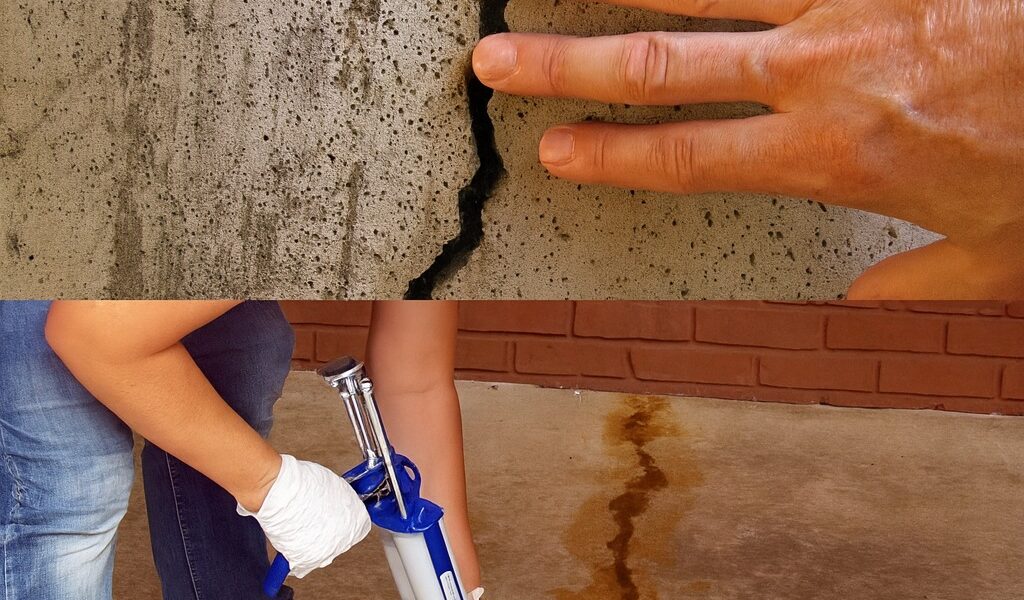
🧱 How to Plug Cracks in Concrete — The 3 Most Reliable Methods for Long-Lasting Results
Cracks in concrete are more than just an eyesore. If left untreated, they can lead to water damage, structural weakening, and costly repairs down the line. Whether you’re dealing with a cracked patio, driveway, basement floor, or wall, knowing how to seal those gaps properly can save you time, money, and frustration.
Fortunately, there are proven methods that homeowners and professionals alike rely on to restore concrete surfaces and prevent future damage. These three techniques are not only effective — they’re also accessible for DIY enthusiasts who want to tackle the problem themselves.
🛠️ Method 1: Concrete Crack Sealant (for Hairline Cracks)
Best for: Small surface cracks that do not affect structural integrity.
How it works:
- Clean the crack thoroughly with a wire brush and vacuum out debris.
- Apply a ready-to-use concrete crack sealant using a caulking gun.
- Smooth the surface with a putty knife and allow it to cure as directed.
Why it works:
Flexible sealants expand and contract with temperature changes, preventing the crack from reopening.
🧱 Method 2: Epoxy Injection (for Deep or Structural Cracks)
Best for: Vertical or horizontal cracks in walls, foundations, or load-bearing surfaces.
How it works:
- Drill small entry ports along the crack and seal the surface with epoxy paste.
- Inject epoxy resin into the ports using a specialized applicator.
- Allow the resin to cure and remove the ports afterward.
Why it works:
Epoxy bonds strongly to concrete and restores structural strength, making it ideal for serious repairs.
🧪 Method 3: Hydraulic Cement (for Active Leaks or Wet Cracks)
Best for: Cracks in basements or retaining walls where water is present.
How it works:
- Mix hydraulic cement according to package instructions.
- Press it firmly into the crack using a trowel or gloved hand.
- Hold in place until it begins to set (usually within minutes).
Why it works:
Hydraulic cement expands as it cures, sealing out moisture and preventing future leaks.
💬 Let’s Share Practical Knowledge That Helps
If you found this post helpful or informative, please take a moment to:
- Share this post with friends, neighbors, or anyone dealing with concrete damage.
- Like this post to support practical home improvement tips.
- Follow this page for more DIY solutions, maintenance advice, and empowering content.
- Leave a comment below — we would love to hear your experience, your results, or any questions you may have.
Your engagement helps build a community that values smart solutions, shared wisdom, and long-term care for our homes.
The information provided is for informational purposes only and does not replace professional medical care.