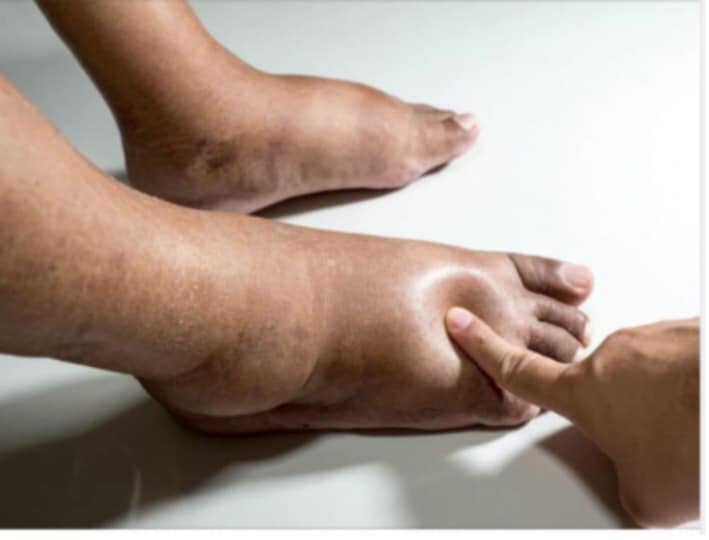
🦶 Swollen Feet and Ankles: What It Means and What You Can Do About It
Have you ever noticed your shoes feeling tighter at the end of the day, or your ankles looking puffier than usual? Swollen feet and ankles are more common than you think – and while sometimes it’s harmless, other times it can be a sign that your body is asking for attention.
👉 Don’t ignore it. Understanding the causes and knowing what to do can make a huge difference for your health and comfort.
🌿 Why Do Feet and Ankles Swell?
- Water retention (edema) – often caused by sitting or standing for long periods.
- Heat and humidity – warm weather can make blood vessels expand, leading to swelling.
- Diet high in salt – too much sodium causes the body to hold onto water.
- Pregnancy – common due to hormonal changes and increased pressure on circulation.
- Injury or infection – sprains, strains, or wounds can trigger localized swelling.
- Medical conditions – heart, kidney, or liver issues can sometimes show up as swelling in the lower body.
💡 Occasional swelling is normal, but persistent or painful swelling should never be ignored.
✨ What You Can Do at Home
- Elevate your legs – raise your feet above heart level for 15–20 minutes.
- Stay active – gentle walking or stretching improves circulation.
- Reduce salt intake – balance your diet with fresh fruits and vegetables.
- Stay hydrated – drinking water actually helps reduce water retention.
- Wear comfortable shoes – avoid tight footwear that restricts circulation.
- Cold compress – applying a cool pack can reduce swelling and discomfort.
🏡 Natural Remedies People Love
- Epsom salt foot soak – relaxes muscles and reduces swelling.
- Massage with essential oils – lavender or peppermint oil mixed with carrier oil can soothe tired feet.
- Herbal teas – dandelion or parsley tea may help the body release excess fluids.
🩺 When to See a Doctor
Seek medical advice if swelling is:
- Sudden or severe.
- Accompanied by shortness of breath or chest pain.
- Persistent and doesn’t improve with rest.
- Only in one leg and painful (could indicate a blood clot).
👉 Your health always comes first – never hesitate to get checked.
✨ Final Thoughts
Swollen feet and ankles are often just a sign that your body needs rest, hydration, or a little lifestyle adjustment. But they can also be an early warning sign of something more serious. Listen to your body – it’s always sending you signals.
📌 Save this post so you can come back to it later.
💬 Tell us in the comments: Have you ever struggled with swollen feet or ankles? What helped you the most?
🔄 Share this with friends and family – someone you know might need this advice today.
👍 Follow our page for more natural health tips, remedies, and wellness insights.
Hashtags for SEO and Reach:
#SwollenFeet #SwollenAnkles #Edema #HealthTips #NaturalRemedies #WellnessJourney #HealthyLiving #BodySignals
👉 Follow our page, like 👍, and share this post. Every click can make a difference—perhaps saving your own life or that of a loved one.