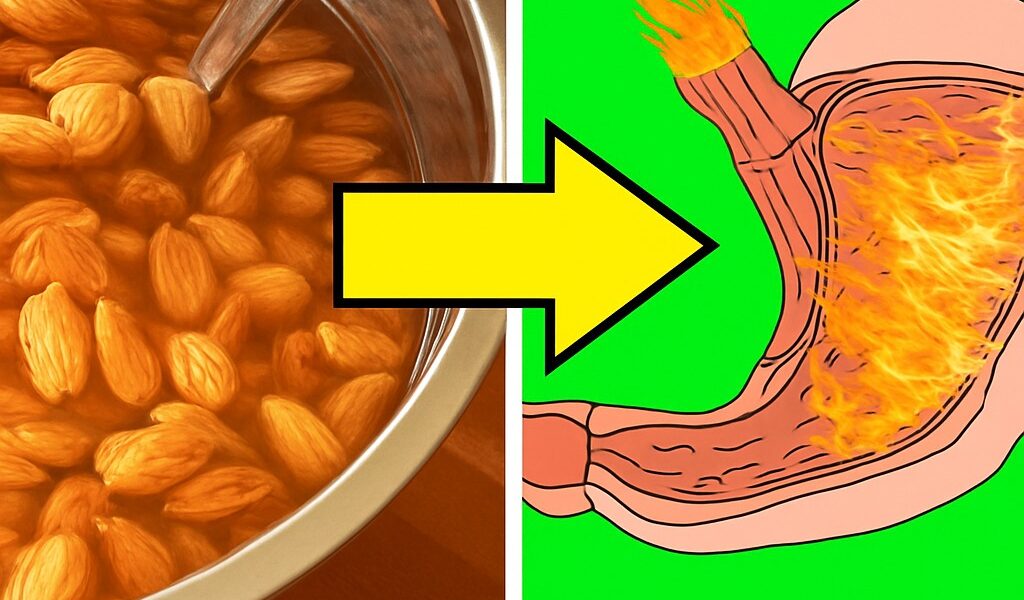
12 Forbidden Foods for Gastritis, Heartburn, Heartburn and Gastroesophageal Reflux
Gastritis, heartburn, heartburn, and gastroesophageal reflux are common digestive conditions that affect the quality of life for millions of people. These disorders can cause pain, burning, swelling, discomfort, and even interfere with sleep and daily eating.
One of the keys to alleviating and preventing these symptoms is to take care of what we eat. Some foods directly irritate the gastric mucosa or relax the lower esophageal sphincter, facilitating reflux. Therefore, it is essential to know what to avoid and what to consume to protect your digestive system.
12 foods you should avoid if you suffer from gastritis, heartburn or reflux
Avoiding these foods can make a big difference in your daily well-being.
1. Coffee and caffeinated beverages
Coffee, even decaffeinated, stimulates acid secretion in the stomach and can worsen gastric irritation.
2. Alcoholic beverages
Alcohol damages the gastric mucosa, promotes inflammation, and can aggravate reflux by relaxing the sphincter that separates the stomach from the esophagus.
3. Citrus and acidic juices
Orange, lemon, grapefruit and their juices are highly acidic and can irritate an already sensitive gastric mucosa.
4. Tomato and derived products (sauces, ketchup)
Although healthy for many people, tomatoes have high natural acidity and often aggravate heartburn and reflux.
5. Chocolate
It contains caffeine and other substances that relax the esophageal sphincter, facilitating the passage of acidic content into the esophagus.
6. Fried and fatty foods
Fats slow down digestion and increase pressure in the stomach, promoting reflux and worsening gastritis.
7. Sausages and processed meats
Sausages, chorizo and cured ham contain preservatives, saturated fats and high sodium content, which irritate the stomach.
8. Hot peppers and chili peppers
Chili and other spicy condiments stimulate the production of gastric acid and can worsen symptoms.
9. Soft drinks and carbonated drinks
The bubbles create pressure in the stomach, which can push the contents into the esophagus. In addition, many contain caffeine and sugar.
10. Raw onion and garlic in excess
Both of these ingredients can cause bloating and aggravate reflux when consumed in large amounts or on an empty stomach.
11. White bread and refined flours
These foods can cause fermentation and produce gas that increases bloating.
12. Industrial sweets and very sugary desserts
Processed products loaded with sugar and fat disrupt digestion and can lead to inflammation and heartburn.
What foods can you eat if you have gastritis or reflux?
These foods can help relieve and prevent symptoms:
✅ Oatmeal and brown rice
Easy to digest and with a protective effect on the gastric mucosa.
✅ Ripe banana and cooked apple
Banana acts as a natural antacid, while cooked apple is mild and soothes inflammation.
✅ Steamed vegetables (carrot, pumpkin, zucchini)
They are gentle, do not produce gas and help regulate digestion.
✅ Boiled or baked potatoes
With no added fat, they are ideal for soothing the stomach.
✅ Lean lean fat-free cooked meats (chicken, turkey, white fish)
Baked or steamed, they are safe proteins for those who have gastritis.
✅ Natural yogurt without sugar or acidic fruits
It can promote the intestinal flora and protect the mucosa, as long as it is not consumed cold.
Important Tips for Relieving Gastritis and Reflux
- Avoid lying down right after eating, wait at least 2 hours.
- Eat small, frequent meals, rather than large feasts.
- Eat slowly and chew your food thoroughly.
- Avoid stress, as it can increase heartburn.
- Sleep with your head slightly elevated, to prevent nighttime reflux.
- Consult your doctor or nutritionist if symptoms persist, to avoid major complications such as ulcers or esophagitis.
Important: This article is for informational purposes only and is not a substitute for professional medical advice. If you have persistent or severe symptoms, see a specialist for a proper diagnosis.
👉 Follow our page, like 👍, and share this post. Every click can make a difference—perhaps saving your own life or that of a loved one.