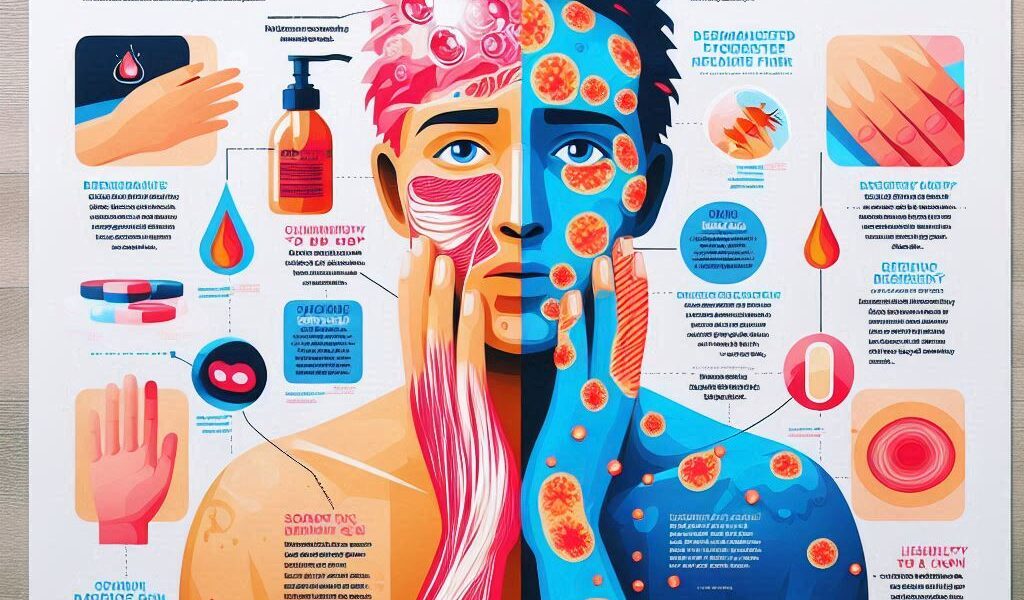
Stop using this soap: dermatologists reveal its silent damage
In our daily personal care routine, few products seem as harmless as soap. We use it every day, associating it with cleanliness, freshness, and health. However, many dermatologists have begun to warn about a type of soap that, far from benefiting the skin, could be causing silent and progressive damage.
The most alarming thing is that this product is still found in millions of homes, used by children, adults and the elderly without knowing its adverse effects.
The soap you should stop using, according to dermatologists
Conventional bar soap, especially those that are heavily perfumed and artificially colored, is the main culprit according to experts. These soaps often contain harsh detergents like sodium lauryl sulfate (SLS) , synthetic dyes, parabens, and artificial fragrances that can disrupt the skin’s natural balance.
What harm can it cause?
- Extreme dryness: Continuous use of these types of soaps removes the skin’s natural oils, leaving it unprotected and prone to irritation.
- Irritations and allergies: Fragrances and dyes can cause contact dermatitis, especially in people with sensitive skin or in children.
- pH imbalance: Human skin has a slightly acidic pH (around 5.5), but these soaps have an alkaline pH that alters the skin flora, weakening its protective function.
- Premature aging: Skin that is constantly dry and exposed to irritating products tends to develop wrinkles and loss of elasticity more quickly.
How can you recognize this type of soap?
To protect yourself, it’s important to clearly identify harsh soaps that dermatologists advise against. Here are some signs and ingredients to watch out for:
- Strong or artificial fragrance: If the soap’s scent is very strong, it probably contains synthetic fragrances that can irritate the skin.
- Bright colors: Soaps with bright colors (blue, green, red, hot pink) usually have artificial colorings.
- Excessive foam: Abundant foam is not always a good sign; it is usually due to chemical agents such as sodium lauryl sulfate (SLS).
- Long and incomprehensible ingredient list: If the label includes many chemical names that are difficult to pronounce, it’s best to avoid it.
- Feeling of tightness in the skin after use: If after bathing your skin feels tight or rough, that soap may be damaging your natural skin barrier.
What can we replace it with?
To protect your skin’s health, dermatologists recommend switching from conventional bar soap to gentler, more natural options:
1. Neutral or fragrance-free soaps
Ideal for sensitive skin, they respect the skin’s natural pH and do not contain unnecessary additives.
2. Soaps with natural ingredients
Ingredients like oatmeal, coconut oil, shea butter, or aloe vera are more moisturizing and less harsh.
3. Syndets (soap-free soaps)
These are dermatological cleansers with gentle synthetic agents. They come in bar or liquid form and are suitable even for problem skin such as rosacea or eczema.
Additional tips for taking care of your skin
- Avoid washing your skin with very hot water, as it increases dryness.
- Moisturize your body after bathing with natural creams or oils.
- Read product labels and avoid those with strong fragrances or chemical names that are difficult to identify.
- Consult a dermatologist if you notice persistent redness, itching, or flaking.
Changing something as commonplace as your soap might seem minor, but its impact on skin health is profound. Heeding dermatologists’ warnings and making more conscious choices can prevent years of silent skin problems.