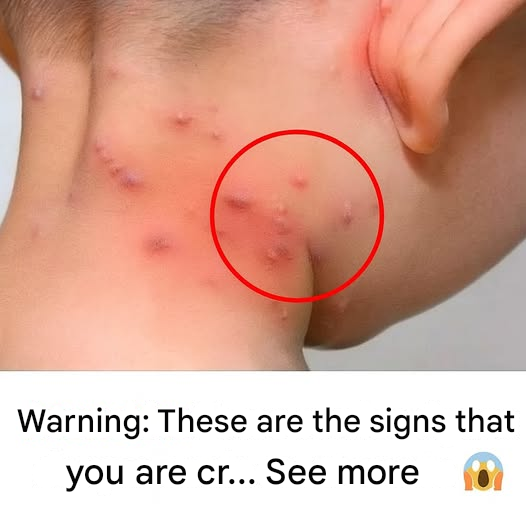
Do you know the main types of skin rashes? Find out what they are and what causes them.
The skin is the largest organ in the body and acts as a protective barrier against external agents. However, it is also very sensitive to multiple factors such as allergies, infections, stress, or even hormonal changes. Therefore, paying attention to any skin alteration, such as a rash, is key to detecting health problems that could be more serious than they appear.
Skin rashes not only cause physical discomfort such as itching, redness, or inflammation, but they can also lead to emotional or social discomfort.
There are numerous types of skin rashes
Skin rashes are inflammatory skin reactions that can manifest themselves in a variety of ways: red spots, blisters, peeling, or bumps. Some are temporary and mild, but others require immediate medical attention.
Although often harmless, some rashes can be signs of underlying diseases, infections, or severe allergic reactions. That is why it is important to know the different types, their causes and how to act against them.
Common types of skin rashes:
- Atopic dermatitis (eczema)
is a chronic condition that causes itching, redness, and dryness. It often appears in folds such as behind the knees or on the elbows. It is related to allergies, asthma or family history. - Urticaria
It is characterized by red, raised welts that appear suddenly. They are usually the result of an allergic reaction to food, medicines, stings, or stress. - Psoriasis
is an autoimmune disease that causes scaly, thickened, and whitish plaques. It usually affects the scalp, elbows, knees, and lower back. - Contact
dermatitis It appears when the skin comes into contact with irritants or allergens, such as detergents, cosmetics or metals such as nickel. - Rosacea
Although not a rash in the classic sense, rosacea causes persistent facial redness, pimples, and visible blood vessels, especially on the cheeks and nose. - Ringworm (fungal infection)
is a ring-shaped rash caused by fungi. It affects moist areas of the body such as the feet, groin or scalp. - Chickenpox and other viral infections
Some viral illnesses cause rashes with blisters or red spots that spread quickly. Chickenpox is a classic example. - Acne
More common in adolescents, but also present in adults, acne presents with pimples, blackheads or whiteheads, and is associated with hormonal imbalances. - Cutaneous
lupus: An autoimmune disease that can cause butterfly-shaped rashes on the face or other skin lesions that worsen with sun exposure.
What are these eruptions due to?
The causes vary depending on the type of rash, but among the most common factors are:
- Allergic reactions to foods, medicines, or chemicals.
- Bacterial, viral, or fungal infections.
- Autoimmune diseases.
- Prolonged emotional stress.
- Hormonal or climatic changes.
- Lack of hygiene or excess moisture in the skin.
Tips for preventing and treating rashes
- Keep your skin clean and hydrated, especially in sensitive areas.
- Avoid contact with known irritants or allergens.
- Wear comfortable, cotton clothing that allows your skin to breathe.
- Do not scratch or rub the affected areas, as this can worsen the condition or cause infections.
- See a dermatologist if the rash doesn’t improve within a few days, spreads, or produces a fever.
- Apply specific cold compresses or creams as recommended by a professional.
- Keep track of new foods or products you use to identify potential triggers.
Identifying the type of rash and its cause in time is essential to receive the right treatment. Don’t ignore what your skin is trying to communicate to you: it is often a reflection of what is happening inside your body.
Follow our page, like , and share this post. Every click can make a difference—perhaps saving your own life or that of a loved one.