What happens in your body when you include eggs in your daily diet: benefits worth knowing
The consumption of eggs has historically been a topic of debate: on the one hand, they are valued as an economic and nutritious source of protein and other essential nutrients; on the other, they have been associated with increased cholesterol and possible cardiovascular risks. But the latest evidence suggests that the picture is not so simple: the effects depend on the global nutritional context, the amount and the way in which they are consumed.
In this article, we’ll explore what happens in your body when you take eggs on a daily basis—what cholesterol is, how your body produces it, what eggs provide, when it might be problematic, and how to maximize its benefits.
In addition, you can see all this vital information in the following video from Dr. Carlos Jaramillo’s channel:
What is cholesterol?
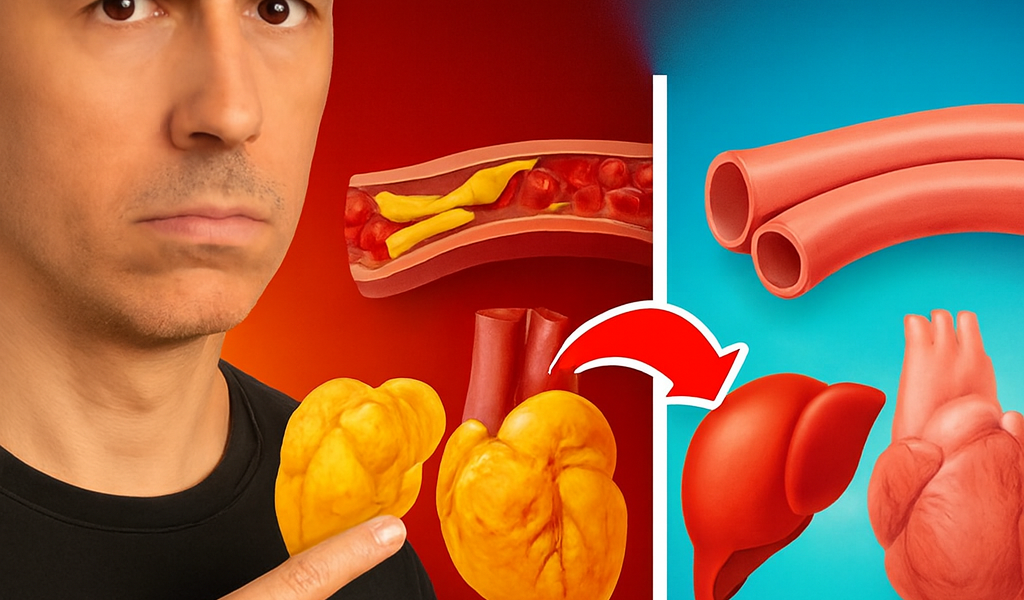
Cholesterol is a fatty substance that circulates in the blood. It is essential for different functions of the body: it helps form cell membranes, produces certain hormones and participates in digestion. But too much cholesterol — or an imbalance between its types — can lead to cardiovascular disease.
Blood cholesterol is usually measured through two “types”: the so-called “LDL” (considered “bad cholesterol” when it is in excess) and “HDL” (the “good cholesterol”, which helps protect the arteries). A favorable balance between LDL and HDL is important for heart health.
Why does my liver produce cholesterol?
Although cholesterol is present in some foods, the body also produces it naturally – mainly in the liver – to meet its biological needs. That internal production ensures that there is always enough cholesterol for vital functions, regardless of diet.
Therefore, the cholesterol we ingest through food does not always have the same direct impact on blood levels: what also counts is the total amount, the type of fats we consume, our lifestyle, genetics, among other factors.
Egg cholesterol
A large egg contains a certain level of cholesterol — mostly in the yolk — which has raised concerns about frequent consumption in the past.
However, recent research shows that, for many people, that dietary cholesterol has a limited effect on blood cholesterol, especially if the overall diet isn’t high in saturated or trans fat.
Thus, although eggs provide cholesterol, their consumption does not necessarily raise “bad cholesterol” in the blood significantly – at least in healthy individuals who maintain a balanced diet.
What does raise your cholesterol
What is most harmful to cardiovascular health is not so much the cholesterol in food, but saturated and trans fats, present in many processed foods, fatty meats, sausages, fried foods, butter, etc.
That’s why eating eggs fried in lard or accompanied by foods high in saturated fat can increase the risk — not because of the egg, but because of the context.
On the other hand, if eggs are consumed within a balanced diet – low in saturated fats, rich in fruits, vegetables, fibres – their effect on cholesterol is usually neutral or even positive.
What happens if you eat 3–4 eggs a day?
This is a point of controversy: studies and guidelines differ. Many sources agree that 1 to 2 eggs per day is safe for most healthy people.
Consuming 3–4 eggs per day represents a high intake. While there is no conclusive evidence demonstrating immediate harm in all people, that level of consumption increases the likelihood of exceeding cholesterol and saturated fat recommendations — especially if the overall diet isn’t balanced.
For people with risk factors (high cholesterol, cardiovascular disease, family history), it might be wiser to moderate consumption to 2–3 eggs per week, or at least consult with a healthcare professional.
In healthy adults, some recent research suggests that moderate intake—not necessarily as high as 3–4 daily—may be consistent with good cardiovascular health and provide benefits.
Egg Nutrients
Eggs are considered a complete food from a nutritional point of view:
- It is a source of high-quality protein, with all the essential amino acids.
- It provides healthy fats – the yolk contains lipids with a predominance of unsaturated fats – and little saturated fat compared to other animal sources.
- It contains vitamins (A, D, E, several of the B complex), choline —key for brain and neuronal functions—, minerals such as phosphorus, zinc, and also antioxidants such as lutein and zeaxanthin, which benefit eye health.
- In addition, it provides energy with a relatively low calorie content, making it ideal for balanced diets.
Because of its nutritional profile, eggs can contribute to tissue building and repair, muscle maintenance, proper brain function, visual health, and — when combined with other good habits — a healthy, balanced diet.
Best way to consume it
To maximize your profits and minimize risks:
- Prefer cooked, poached, poached or scrambled preparations with little oil, instead of fried in lard or accompanied by sausages or saturated fats.
- Include eggs as part of a varied diet: with vegetables, fruits, whole grains, legumes — not as the only food.
- Avoid excessive daily consumption if there are cardiovascular risk factors: in these cases, moderate the amount or prioritize only the white one.
- Cook eggs thoroughly: Consuming raw or undercooked eggs can have health risks, and raw white can make it difficult to absorb some nutrients.
Cholesterol tests
If you decide to eat eggs frequently — or if you have a family or personal history of high cholesterol or heart disease — it’s a good idea to get regular checkups. Among the most common tests:
- Complete lipid profile: measures total cholesterol, LDL (“bad”) cholesterol, HDL (“good”) cholesterol, triglycerides.
- Periodic evaluations of blood pressure, body weight, eating habits.
- Based on age, history, and other risk factors: regular medical follow-up to assess cardiovascular health.
That way you can objectively assess how your body responds and adjust the diet according to your results.
Final reflection:
The egg is neither a villain nor an absolute superfood: it all depends on the context. Consumed in moderation, as part of a balanced diet, it can provide key nutrients, quality proteins and promote health. But as with any food, the excess or the way it is prepared can modify its impact.
If you have doubts or special health conditions, the most prudent thing to do is to combine good eating habits with periodic medical check-ups.
👉 Follow our page, like 👍, and share this post. Every click can make a difference—perhaps saving your own life or that of a loved one.