How Digestion Can Change After Gallbladder Surgery: Useful Information to Know
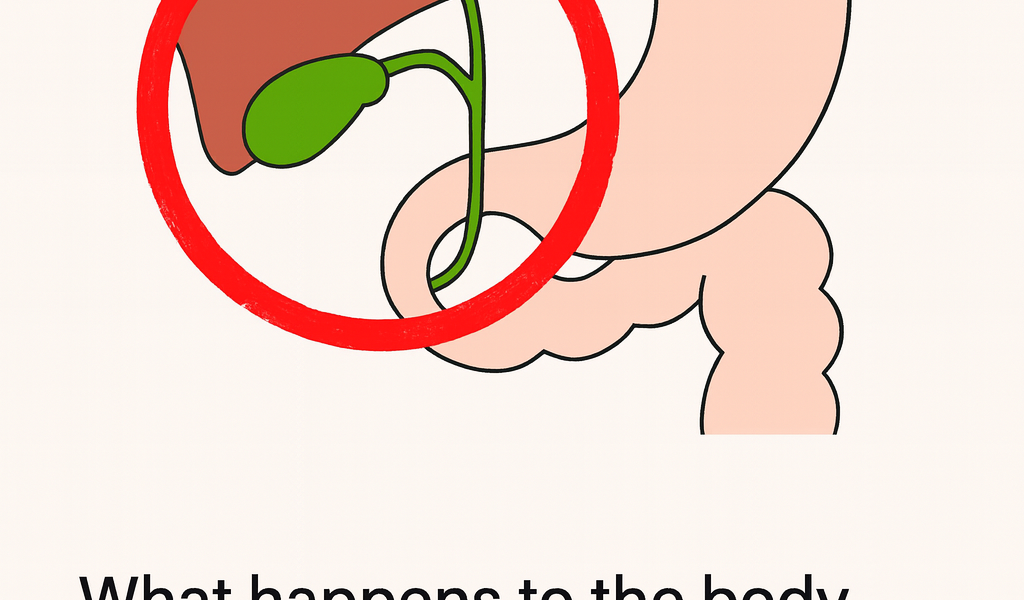
The gallbladder is a small organ located below the liver and connected to it by the bile duct. Although it often goes unnoticed, it plays an essential role: storing the bile that the liver produces and releasing it at the right time to help break down fats. This bile also has an antibacterial function, protecting the digestive system from silent infections.
When the gallbladder is functioning well, the process is harmonious: we eat, the gallbladder contracts, and bile reaches the duodenum to facilitate digestion. But when problems appear, the entire system becomes destabilized, generating abdominal pain, nausea and vomiting.
Therefore, understanding their function and care is essential.
Is gallbladder necessary to be removed when gallstones are present?
The decision depends on the size, number, and behavior of those stones.
- If they are small and do not cause symptoms, conservative treatment with medical follow-up is usual.
- If they cause severe pain, infections or inflammation, or if they are large or numerous, specialists usually recommend surgical removal.
Simply put, not all stones require surgery; Intervention depends on the risk and severity of symptoms.
How the body changes after gallbladder removal
Once the gallbladder is removed, the bile is no longer stored: it flows directly from the liver to the intestine constantly. This change alters different digestive processes and can generate some symptoms as the body adapts.
1. Reduced ability to digest fats
Without proper bile storage, fat digestion can become more difficult, especially during the first few weeks.
2. Indigestion and digestive discomfort
Bile flows more continuously and not in response to meals. This can cause bloating, gas, and belching.
3. Alteration of the intestinal bacterial balance
Bile helps control bacteria. If your flow is modified, there is an increased risk of intestinal imbalance and inflammation.
4. Bile reflux
In some people, bile can back up into the stomach, irritating its lining and causing heartburn, nausea, and pain.
5. Dietary changes
Many people need to cut back on foods that are very greasy, fried or spicy. It is also recommended to eat small portions, increase fiber, and avoid excess alcohol.
6. Sleep problems
Although not a universal symptom, some people report anxiety, insomnia, or disrupted sleep after surgery. Over time, it usually gets better.
Three diseases that can appear after surgery
Although gallbladder removal is safe and very common, there are risks to consider in the long term.
1. Reflux gastritis
Less concentrated bile and its constant flow can lead to stomach inflammation, diarrhea, and bloating when heavy or high-fat foods are consumed.
2. Increased risk of colon cancer
After surgery, secondary bile acids, which can irritate the colon, increase. Studies show a slightly higher risk of colon cancer in people without a gallbladder, so surgery should be done only when needed.
3. Common bile duct stones
As the duct must take over the passage of bile, it can dilate and promote stagnation, which increases the risk of new stones.
Recommended diet after gallbladder removal
1. Easily digestible foods
During recovery, the digestive system needs rest. Liquid or semi-liquid meals such as mild soups, egg cream, or lotus root starch are recommended.
2. High-quality proteins
They are essential for healing and recovery. The best options include eggs, fish, milk, lean meat, and shrimp.
3. Whole grains and seeds
They help recover energy and improve digestive function. Peanuts, walnuts, sunflower seeds, almonds and pistachios are suggested, always in natural and unfried versions.
Peanuts, in particular, are beneficial for the stomach and promote more stable digestion.
How long does it take to be discharged after surgery?
In most cases, patients are discharged 1 to 3 days after the procedure. On the first day, the following are monitored:
- pain
- cicatrization
- Digestive tolerance.
If the person can walk, eat, and urinate without difficulty, they usually return home between the second and third day.
Final recommendations for a good recovery
After surgery:
- Avoid alcohol and tobacco.
- Eat small, frequent meals.
- Maintain a light and easy-to-digest diet.
- Do not stay up late and avoid sudden changes in temperature.
- Get gentle, progressive physical activity.
In general, over a period of 3 months, most people gradually return to their usual diet without discomfort!
👉 Follow our page, like 👍, and share this post. Every click can make a difference—perhaps saving your own life or that of a loved one.