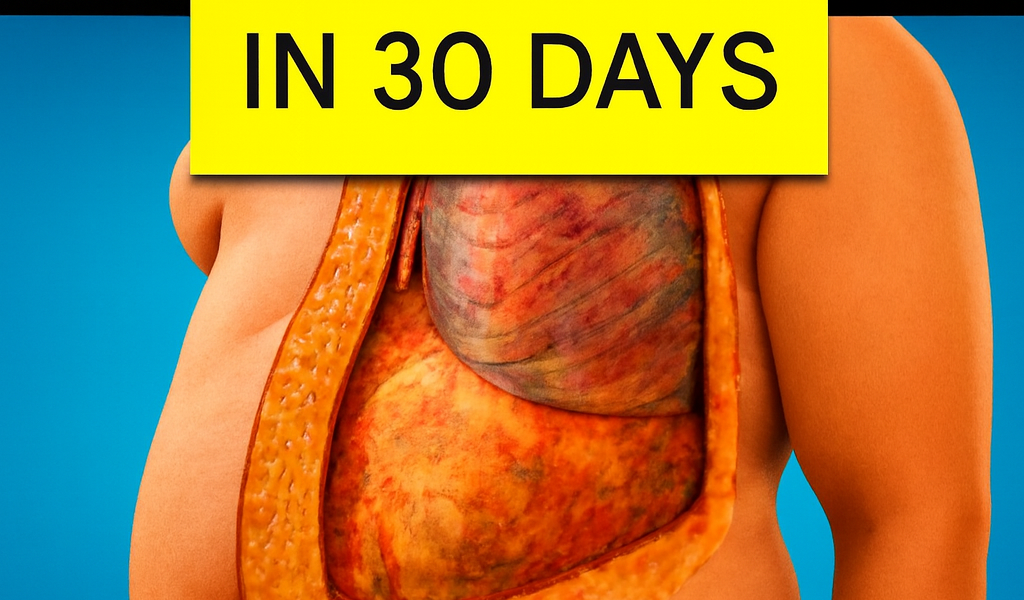
How to reduce belly fat in a healthy way and improve your well-being in 30 days.
Reducing belly fat doesn’t just have an aesthetic impact: it’s a direct investment in your long-term health. Two types of fat coexist inside the abdomen:
- Subcutaneous fat, located under the skin.
- Visceral fat, the most dangerous, which surrounds organs such as the liver, pancreas and intestines.
Visceral fat functions as an active inflammatory tissue. It produces substances that alter metabolism, increase the risk of heart disease, increase insulin resistance and promote the onset of type 2 diabetes. Most worryingly, you can be of normal weight and still accumulate large amounts of visceral fat without knowing it.
The good news is that recent studies show that changing some habits for 30 days can reduce up to more than 50% of initial visceral fat. Here’s a simple, evidence-based guide to get you started today.
Why do we accumulate visceral fat?
It’s not just about calories. There are eating patterns and behaviors that specifically favor fat storage in the visceral area, even when you don’t overeat.
Factors that increase visceral fat
- Regular consumption of simple sugars and ultra-processed products.
- Frequent alcoholic beverages.
- Excess refined carbohydrates such as white bread, sugary cereals or pastries.
- Combinations of saturated fats + refined flours (fried foods, industrial pizzas, ice cream, etc.).
- Sedentary lifestyle and low physical activity.
These behaviors create the perfect environment for the body to accumulate fat around organs, affecting metabolic health.
Plan to reduce visceral fat in 30 days
Here’s a practical, realistic plan with evidence to back up each step.
1. Progressively reduce sugar and increase protein
Excess sugar is the main dietary factor that drives visceral fat accumulation. Consuming more than 20% of your calories in the form of sugar quickly increases this type of fat.
What to do
- Swap juices and sodas for naturally flavored water or tea.
- Replace sugary desserts with protein yogurts.
- Avoid granola bars and opt for homemade protein bars.
- Eat whole fruit instead of juices.
- Increases protein up to 1.3 g per kilo of weight per day.
This change, on its own, can generate visible results in 3 to 4 weeks.
2. Eat within a 12-hour window
It is not strict fasting, but ordering of the meal schedule.
Simple example
- Have breakfast at 8:00
- Dinner before 20:00
- The rest of the time the body rests from constant digestion
This facilitates a moderate caloric deficit and improves metabolic response.
3. Minimize saturated fat
With equal calories, saturated fats promote more visceral fat than other types of fat.
Swap for healthy fats
- Olive oil
- Avocado
- Nuts and seeds
- Oily fish (salmon, sardines, tuna)
A more plant-based pattern reduces inflammation and improves insulin response.
4. Increases soluble fiber up to 20 g daily
Soluble fiber:
- Improves the microbiota
- Reduces fat absorption
- Controls appetite
- Decreases inflammation
- Supports cholesterol elimination
Include it like this
- Whole fruits
- Chia or flax seeds
- Oat
- A Touch of Psyllium in Smoothies
5. Do high-intensity training (HIIT) 3 times a week
The studies are clear: intense exercise mobilizes more visceral fat than traditional training.
Recommended routine
- 1 intense minute at 80–90% of your heart rate
- 2 minutes
- Repeat 5 times
- Three days a week
You can do it at:
- Bicycle
- Elliptical
- Oar
- Treadmill
6. Consider berberine (with professional supervision)
Berberine has been shown to:
- Reduce triglycerides
- Lower basal glucose
- Improve waist circumference
- Helping in metabolic syndrome
It has a good safety profile, but always check before using it.
7. Medical treatments when appropriate
Drugs such as semaglutide, liraglutide, or tirzepatide have been shown to reduce visceral fat significantly.
They are not for everyone: they should only be used under medical supervision and in indicated cases.
Tips & Recommendations
- Prioritize home-cooked meals over industrial products.
- Don’t seek perfection: small sustained changes make a difference.
- Hydrate well; Dehydration increases feelings of hunger.
- Get at least 7 hours of sleep, as lack of sleep raises ghrelin and increases appetite.
- Measure your waist once a week to monitor progress.
- Incorporate daily walks of 20 to 30 minutes.
- Avoid “compensating” on weekends by overeating.
Visceral fat can be effectively reduced by combining a balanced diet, strategic exercise, and simple habits. The key is not in miraculous solutions, but in creating a favorable environment for your metabolism. With consistency, in just a few weeks you will begin to notice changes in both your body and your daily energy.
👉 Follow our page, like 👍, and share this post. Every click can make a difference—perhaps saving your own life or that of a loved one.