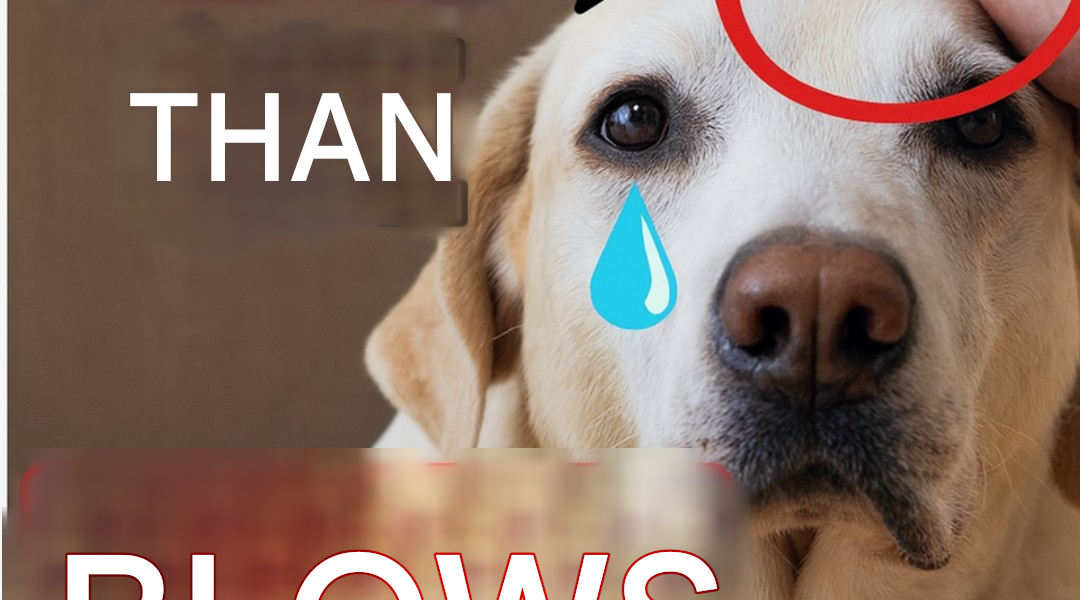
16 Things You Should STOP DOING With Your Dog!
Having a dog is not just about giving him food, taking him for a walk and playing for a while a day. It is to understand their way of feeling, thinking and communicating. Many times, without bad intentions, we repeat behaviors that we think are normal, but that in reality generate fear, stress, anxiety and confusion in our four-legged companion. Some of these errors are so naturalized that almost no one questions whether they are right or wrong. However, they make a huge difference in their emotional and physical well-being and in the quality of the bond with you. Today you are going to discover 16 things you should stop doing with your dog right now, if you really want to see him happy, safe and balanced.
1. Pulling sharply on the leash
Pulls damage the neck, trachea, and create stress. In addition, they turn the walk into a negative experience. The right thing to do is to stop, wait for him to relax the leash and reinforce with rewards when he walks well.
2. Yelling at him when he misbehaves
The dog does not understand sermons or late punishments. He only perceives fear. Yelling generates anxiety, distrust and can cause aggressiveness. The correction must be immediate, calm and clear.
3. Mock their fears
What is funny to you, is real terror to your dog. Laughing, filming, or scaring them on purpose destroys their sense of security and damages the bond with you.
4. Leaving him alone for many hours often
Excessive loneliness causes separation anxiety, destruction, depression and destructive behaviors. Your dog needs companionship, encouragement, and time with you.
5. Hug him when he wants to leave
Forcing physical contact invades their space. If your dog wanders away, respect him. True affection is given when both want it.
6. Ignoring that you’re already getting older
Older dogs need more comfort, less physical effort, medical checks, adaptation in feeding and gentle mental stimulation.
7. Taking away toys or food for no reason
This generates insecurity and resource protection behaviors. Teach him to let go with exchange, not with imposition.
8. Bathing too much or almost never
Too much bathing damages your skin; the total lack as well. Ideally, a bath every 4 to 6 weeks is ideal, depending on their coat type.
9. Neglecting their diet
Common mistakes:
- Overfeeding
- Give it human food
- Choosing poor quality feed
All this causes obesity, digestive, kidney and heart problems.
10. Always pat it on the head
Many dogs tolerate it, but they don’t enjoy it. It is best to caress the chest, sides or under the chin.
11. Talk to him in long sentences
Dogs respond best to short, clear commands. The excess of words confuses them.
12. Waking him up abruptly
May react with fear or reflex aggression. Always wake him up with a soft voice.
13. Forcing them to always follow your route
Exploring is also part of the ride. Smells are his way of understanding the world.
14. Using your hands as a toy
This teaches you to bite uncontrollably. Always use suitable toys.
15. Putting uncomfortable clothes on her
Only some breeds need it. Tight, warm or clothing that limits movement generates stress and discomfort.
16. Prohibit him from observing you
Looking at you is part of their bond with you. Eye contact strengthens the emotional connection and increases oxytocin in both.
Tips & Recommendations
- Reinforce good behaviors, don’t punish with anger.
- Always respect their space and body language.
- Stimulate their mind with games, different walks, and simple challenges.
- Adapt their routine to their age.
- Maintain a balanced and quality diet.
- Give him time, patience, companionship, and emotional stability.
Your dog doesn’t need perfection, he needs understanding. When you correct with respect, take care of their well-being, and understand their way of seeing the world, you build a relationship based on trust, love, and balance. Changing small habits can completely transform your happiness… and yours too.
👉 Follow our page, like 👍, and share this post. Every click can make a difference—perhaps saving your own life or that of a loved one.