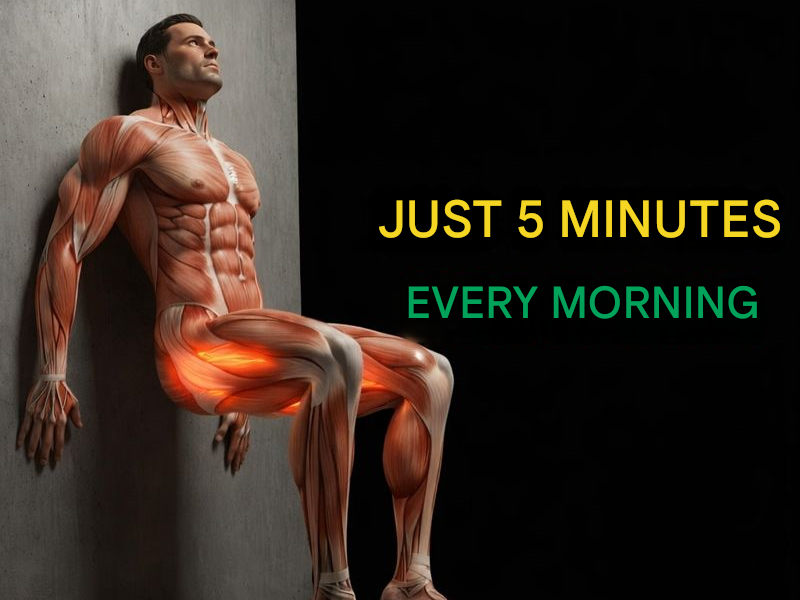
4 gentle movements that many seniors prefer as an alternative to walking.
For years, one idea was repeated as absolute truth: walking every day is enough to stay strong and healthy after 60. In fact, many professionals – myself included – recommend it without hesitation. However, current evidence and clinical experience show a different reality: walking is good, but it is not enough.
Many older people walk 30, 40 or even 60 minutes a day and still feel constant tiredness, weakness in their legs, insecurity when getting up or fear of falling. This does not happen due to lack of effort, but due to a lack of specific stimuli that the body needs from a certain age.
What Really Changes in the Body After 60
Over the years, silent transformations occur that a walk in a straight line cannot compensate:
- Sarcopenia: progressive loss of muscle mass and strength, which can reach between 5% and 8% per decade if there are no adequate stimuli.
- Weakening of deep muscles: those responsible for posture, stability and balance.
- Decreased bone density: Bones need loading and activation to stay strong.
- Loss of balance and coordination: The vestibular system becomes less accurate and increases the risk of falls.
Walking supports the heart and general circulation, but it does not sufficiently activate the hips, knees, pelvis or balance system.
The Four Moves That Complement (and Enhance) Walking
These therapeutic movements are designed to be done at home, without equipment, without pain and in a few minutes.
1. Calf activation
This exercise activates the so-called “muscle pump” of the legs, which is essential to improve circulation and reduce swelling, heaviness and tingling.
By raising and lowering heels and toes alternately, microcirculation is reactivated and ankles and stability are strengthened.
2. Wall push-ups
A safe and effective version of traditional push-up.
It strengthens arms, chest and shoulders, improves hunched posture, promotes deep breathing and stimulates bone density without risk to the joints.
3. Adapted squats
We are not looking for depth, but for activation.
This movement strengthens legs, buttocks and middle area, improves joint mobility and facilitates daily actions such as getting up from a chair or climbing steps more safely.
4. On-Site Walking with Knee Raise
Combines strength, coordination, and balance with low impact.
Each knee raise forces the body to stabilize, activate the core, and improve postural control, something that automatic walking does not accomplish.
Real benefits of integrating these movements
- More stability and balance when walking and turning
- Less fear of falls
- Increased functional strength for daily life
- Better posture and breathing
- More confidence in one’s own body
Tips and recommendations
- Perform these movements every day, even if it’s 5 to 10 minutes. Consistency is more important than duration.
- Listen to your body: Exercise should feel challenging but never painful.
- Breathe mindfully during each movement; Breathing improves muscle activation and reduces stress.
- Use a chair or wall for support if you need to, especially when starting out.
- If you have persistent pain, dizziness, or a specific medical condition, always consult with your doctor before starting any routine.
Walking is a good start, but after 60 the body needs something else: activation, strength, mobility and balance. With simple, gentle and well-chosen movements, it is possible to regain stability, energy and confidence, demonstrating that age does not define frailty, but the right stimulus.
👉 Follow our page, like 👍, and share this post. Every click can make a difference—perhaps saving your own life or that of a loved one.