Foods that can contribute to maintaining autonomy and health in older adults.
What if just seven common foods could make the difference between aging with vitality or losing quality of life? After 60, the body changes: metabolism slows down, muscles weaken, bones become brittle, and memory no longer responds in the same way. But these changes are not an inevitable fate. The right diet can activate the body’s own repair mechanisms and help you conserve energy, alertness, and mobility for many years to come.
These seven foods are not expensive or exotic. They are in any market, and when consumed on a regular basis, they help protect the brain, heart, bones, and muscles.
1. Fatty fish
Salmon, sardines, and mackerel are true natural medicines. They are rich in omega-3 fatty acids, especially EPA and DHA, which reach the brain directly and improve communication between neurons. This translates into better memory, clearer thinking, and lower risk of cognitive decline.
They also reduce inflammation, lower triglycerides, and protect the heart. In addition, they provide vitamin D, essential for absorbing calcium and keeping bones strong, and high-quality proteins that prevent muscle loss.
Consuming fatty fish two or three times a week already generates noticeable changes in strength and mobility.
2. Berries
Blueberries, strawberries, and raspberries contain anthocyanins, powerful antioxidants that protect the brain and slow cellular aging. These substances cross the brain barrier and accumulate in areas related to memory and learning.
They also provide plenty of fiber, which helps control blood sugar and improves digestion, and vitamin C, which strengthens the immune system, skin, and joints.
One cup a day, fresh or frozen, is enough to reap these benefits.
3. Leafy greens
Spinach, kale, and Swiss chard are essential after 60. They are one of the best sources of vitamin K, which fixes calcium in the bones and reduces the risk of fractures.
In addition, they contain lutein and zeaxanthin, antioxidants that protect eyesight and help prevent macular degeneration. Its natural nitrates improve circulation and help lower blood pressure. They also provide magnesium and folate, which are key to the heart, muscles and energy.
A daily serving already makes a big difference.
4. Nuts and seeds
Walnuts, almonds, chia seeds, and flax are small but very powerful. Walnuts provide omega-3s for the brain, almonds vitamin E for skin and immunity, and seeds provide plenty of fiber for the gut and blood sugar.
They also contain healthy fats that improve cholesterol and plant proteins that help maintain muscle mass. A handful a day is enough to protect the heart and brain.
5. Eggs
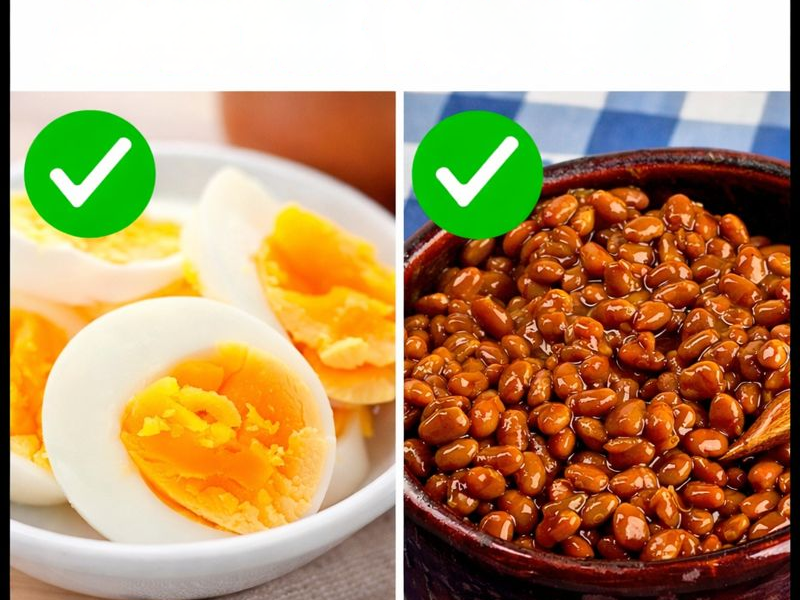
Eggs are one of the most complete foods for the elderly. It provides high-quality proteins to preserve muscles, vitamin B12 for the nervous system and choline, an essential nutrient for memory and learning.
It also contains lutein and zeaxanthin for eye health, and vitamin D for bones. Eating one or two eggs a day does not increase heart risk in healthy people and provides nutrients that protect the brain and heart.
6. Legumes
Lentils, beans and chickpeas are an excellent source of vegetable proteins and fiber. They help control blood sugar, lower cholesterol and maintain muscle mass without providing harmful fats.
In addition, they contain iron, which fights anemia and fatigue, and folate, which protects the heart. Consuming them three or four times a week improves digestion, energy and cardiovascular health.
7. Whole grains
Oats, quinoa and brown rice provide stable energy, fiber and B vitamins, essential for the brain and nervous system. They also contain minerals such as magnesium and manganese, which are important for bones and muscles.
Quinoa stands out because it is a complete protein and does not contain gluten. Replacing refined flours and cereals with whole-grain versions helps control blood sugar, improve digestion, and protect the heart.
Tips and recommendations
- Don’t try to change everything at once. Add one or two of these foods per week.
- Combine fish with vegetables and whole grains for complete, nutritious meals.
- Use nuts and seeds as a snack or to enrich salads and yogurt.
- Prefer gentle cooking methods: steamed, baked, or grilled.
- Maintain good hydration to help your body take better advantage of nutrients.
- If you take medication or have chronic conditions, consult with a professional before making major changes to your diet.
After the age of 60, food becomes one of the most powerful tools for preserving independence, memory, and energy. These seven foods work together to protect the body from within. Incorporating them consistently can make a real difference in how you feel, move, and think each day.
👉 Follow our page, like 👍, and share this post. Every click can make a difference—perhaps saving your own life or that of a loved one.