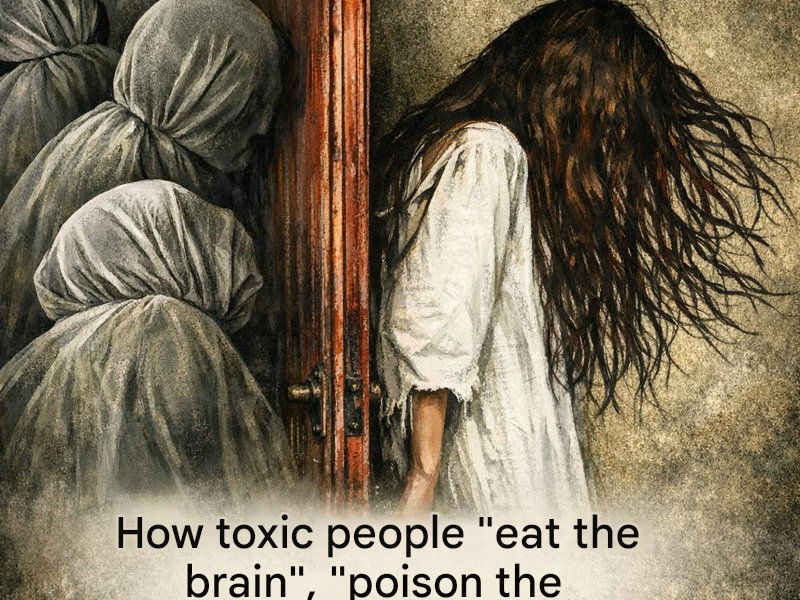
How toxic people affect emotional well-being and quality of life
Human relationships are an essential part of our existence. They influence us, support us, challenge us, and sometimes affect us deeply. When a close person consistently displays harmful patterns of behavior — popularly described as a “toxic person” — that bond can have a significant impact on the emotional well-being and quality of life of those around them.
What do we mean by a toxic person?
A toxic person is not a formal clinical diagnosis, but a common description to refer to individuals whose repeated behavior generates a negative emotional impact. Their attitudes may include destructive criticism, emotional manipulation, constant negativity, and a lack of empathy toward others. These behaviors, when persistent, can significantly undermine the mental and emotional tranquility of those around them.
Signs of an emotionally damaging relationship
People who relate to this type of behavior usually experience effects that go beyond a specific bad moment. Some of these effects include:
1. Emotional stress and constant anxiety
Interacting with someone who manipulates, criticizes, or creates frequent conflict creates ongoing emotional tension. This translates into recurring worries, irritability, and a constant sense of alertness that wears down mental health.
2. Decreased self-esteem
Constant criticism, contempt, or the invalidation of feelings affect a person’s perception of themselves. Over time, this can translate into insecurity, doubts about one’s own abilities and weakened self-esteem.
3. Social isolation
Relationships with people who exert control, manipulate, or generate perpetual conflict can lead to isolation. This occurs when the affected person begins to avoid friends and family to reduce tensions, thus weakening their support network.
4. Emotional and physical exhaustion
Constant interaction with toxic behaviors not only wears out the mind, but also the body. Persistent exhaustion, difficulty sleeping, muscle tension, lack of energy, and loss of interest in previously rewarding activities are common.
5. Problems in other relationships
Repeated experiences with harmful behaviors can change the way a person relates to others. Some people begin to generalize distrust, avoid emotional closeness, or repeat dysfunctional patterns with new friends or partners.
Why do toxic relationships cause so much damage?
The emotional impact of these bonds is not limited to a bad time or an isolated argument. People who live under this type of repetitive pressure may enter a pattern of emotional dysregulation—a difficulty managing their own emotions in response to interpersonal stress—that compounds the negative effects of the relationship.
In addition, emotional manipulation, such as emotional blackmail (using fear, guilt or obligation to get what you want), can displace the perception of reality of the affected person and make them feel responsible for maintaining the bond.
Impact on quality of life
Beyond emotions, this prolonged wear and tear has palpable effects on daily life:
- Decreased productivity: Constant worry can interfere with performance at work or in school.
- Less enjoyment of daily activities: The emotional energy consumed by the relationship affects the time and disposition for hobbies, rest, and nurturing relationships.
- Physical health affected: Chronic stress promotes problems such as sleep disorders, muscle pain or diseases related to prolonged tension.
Paths to regaining well-being
Recognizing that a relationship is harmful is the first step toward well-being. Some helpful strategies include:
- Identify harmful behaviors: Observing repetitive patterns helps clarify what is affecting your well-being.
- Set healthy boundaries: Communicating what behaviors you are not willing to tolerate can be essential to protect your emotional space.
- Seek external support: Talking with friends, family, or mental health professionals can provide objective perspectives and tools for healing.
Emotional health is a key component of quality of life. Learning to identify deteriorating bonds and make conscious decisions to manage or move away from them can make a significant difference in our overall well-being.
👉 Follow our page, like 👍, and share this post. Every click can make a difference—perhaps saving your own life or that of a loved one.