What to do in the event of a possible heart attack when you are alone: basic emergency recommendations

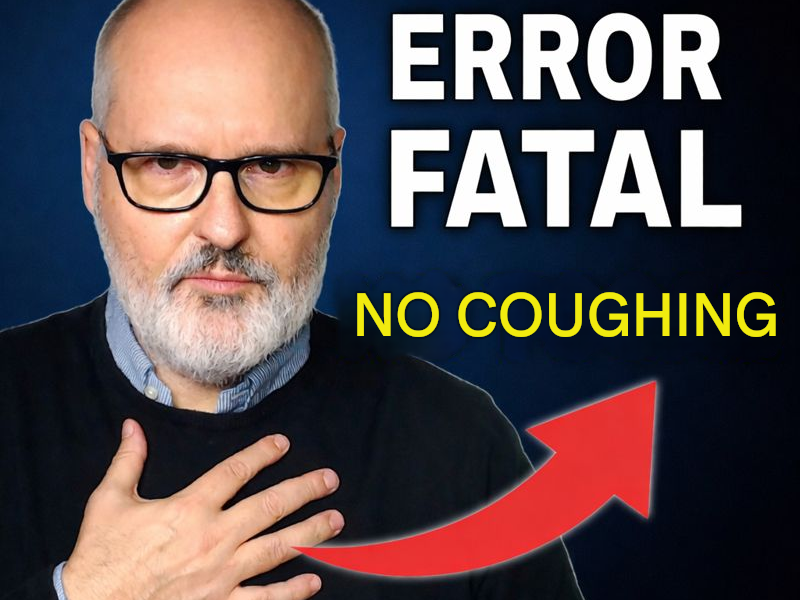
Feeling a strong chest pain, pressure, burning, or discomfort that runs down the arm, jaw, or back can be one of the scariest experiences a person ever experiences. And when it happens alone, the fear multiplies. Many dangerous pieces of advice circulate on social networks, such as “coughing hard” or “beating your chest”, but modern medicine has shown that these actions not only do not help, but can make the situation worse.
Based on the explanations of Dr. Alberto Sanagustín, a cardiologist with more than 30 years of experience and a coronary stent carrier for 16 years, this article brings together the three real steps that can make a difference while medical help arrives.
Key warning: if you suspect a heart attack, call emergency services immediately (112, 911 or 061 depending on your country). No advice replaces urgent medical care.
First: Understand What’s Going On
Many people confuse heart attack with cardiac arrest, but they are not the same thing.
- Infarction (heart attack): This occurs when a coronary artery becomes blocked by a clot and part of the heart muscle stops receiving oxygen.
- Cardiac arrest: this is when the heart stops beating effectively.
During a heart attack, the heart is still beating, but it is suffering from lack of blood. Therefore, what you do in those initial minutes can help or worsen the damage.
What NOT to do
One of the most widespread myths is the so-called “CPR with cough” (coughing hard to “keep the heart beating”).
This is not valid for people who are conscious and have a heart attack.
Coughing hard:
- Increases pressure inside the chest
- Increases the heart’s oxygen consumption
- It can promote dangerous arrhythmias
Beating your chest or trying sudden maneuvers also worsens your heart demand and doesn’t stop the clot.
The 3 Real Steps That Can Save Your Life
This protocol is supported by guidelines from the American Heart Association and European cardiology.
Step 1: Logistics – save time
The goal is for help to arrive as quickly as possible.
- Call emergency services
immediately Don’t wait to “see if it passes”. Every minute without treatment increases the damage to the heart. - Open the door to your house
If you are alone, leave the door open or unlocked so that paramedics can enter without delay. - If you can, let someone close by
A neighbor, family member, or doorman can be key to speeding up attendance.
Step 2: Chemistry – stopping the clot
Most heart attacks occur because a clot blocks an artery.
If you are not allergic and have no medical contraindications:
Take aspirin
- Usual dose: 150 to 300 mg
- Chewed, not swallowed whole
Aspirin doesn’t take away the pain, but it reduces the blood’s ability to form clots, helping the blockage not get worse while the ambulance arrives.
It is not a substitute for hospital treatment, but it can save heart muscle.
Step 3: Physics – the correct posture
The position of your body directly influences how much your heart works.
The best posture
- Semi seated
- Supported back
- Slightly bent knees
- Feet on the ground
This:
- Reduces blood return to the heart
- Decreases the pressure it must withstand
- Lowers cardiac effort
What NOT to do
- Don’t lie flat
- Don’t walk
- Don’t try to “put up” with the pain
- Don’t cough hard or strain
The calmer and more stable your body is, the less oxygen your heart demands.
Typical signs of a heart attack
It is not always intense pain. It can manifest itself as:
- Chest pressure or weight
- Pain in the left arm, back, neck, or jaw
- Shortness of breath
- Nausea
- Cold Sweat
- Feeling of imminent death
In women and older adults, symptoms may be more subtle.
Final Warning
These steps do not cure a heart attack.
They just buy time and reduce the damage until you receive specialized medical care.
The only real treatment is:
- Ambulance
- Electrocardiogram
- Intravenous medication
- Catheterization or stenting if needed
That’s why calling 911 is always the first step, even before aspirin.
If this content can help save a life, please share it.
No one plans to have a heart attack alone, but knowing what to do can make the difference between living or not.
Finally, you can view all this vital information in the following video from Dr. Alberto Sanagustín’s
channel:

👉 Follow our page, like 👍, and share this post. Every click can make a difference—perhaps saving your own life or that of a loved one.