Blue Veins on the Skin: Why They Appear When to Worry and How to Take Care of Your Vascular Health
What are blue veins in the skin?
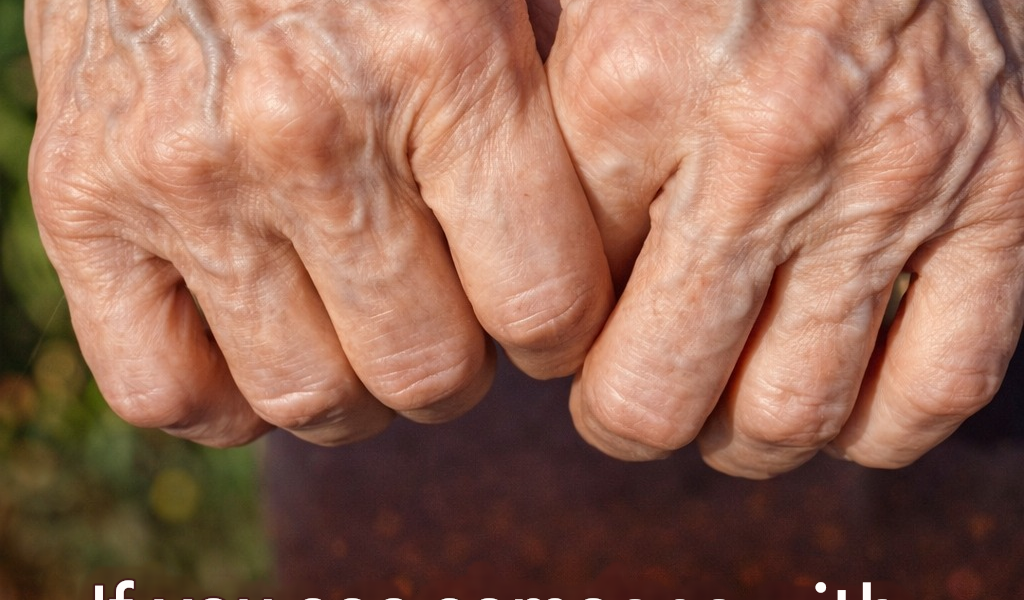
Blue veins in the skin are a visible manifestation of the venous system, which transports blood back to the heart. Its blue color is due to the way light is reflected through the skin and the characteristics of the human vascular system. However, the appearance of these veins can have various causes, from genetics to more complex health conditions.
Causes of Blue Veins
- Genetics: Many people inherit a tendency to develop varicose veins or prominent veins. If your parents or grandparents had visible veins, chances are you developed them too.
- Age: Over the years, the skin loses collagen and elasticity, which can make veins more visible. This natural process can be accentuated as you age.
- Pregnancy: During pregnancy, the volume of blood in the body increases considerably. This change, along with the weight of the uterus, can press on the veins, causing them to dilate and become more apparent.
- Obesity: Excess weight can lead to an increase in venous pressure, especially in the lower extremities, which can result in more prominent veins.
- Lifestyle: Lack of exercise, long hours of standing or sitting, and the use of inappropriate footwear can all contribute to the appearance of varicose veins.
- Medical conditions: Some conditions, such as venous insufficiency, can cause veins to dilate. This occurs when the valves in the veins don’t work properly, causing blood to pool.
When to Worry
Although many blue veins are a normal part of aging or genetics, there are situations in which it is advisable to seek medical attention:
- Symptoms of venous insufficiency: If you notice symptoms such as pain, swelling, or changes in skin color, it is essential to consult a vascular specialist.
- Sudden changes: If a vein that was not visible before begins to appear suddenly or change in size, this may be cause for concern.
- Scarring or ulcerations: The appearance of wounds or ulcers on the legs that do not heal can be a sign of serious circulatory problems.
- Severe pain: If you experience severe pain or a warm sensation in one leg, especially if it’s accompanied by redness, it could be a sign of a thrombus (clot), which would require urgent attention.
How to take care of your vascular health
- Maintain a healthy weight: Controlling your weight is not only good for your overall health, but it also helps reduce pressure on your leg veins.
- Regular exercise: Physical activity helps improve blood circulation. Choose activities that involve leg movement, such as walking, biking, or swimming.
- Balanced diet: Incorporating foods rich in fiber, antioxidants, and omega-3 fatty acids can help maintain a healthy vascular system. Products such as fruits, vegetables, and fish are highly recommended.
- Hidratación: Mantenerse bien hidratado ayuda a la circulación sanguínea. El agua es fundamental para la salud vascular, ya que ayuda a la sangre a fluir más fácilmente.
- Elevación de las piernas: Si pasas mucho tiempo sentado o de pie, procura elevar tus piernas periódicamente para favorecer la circulación.
- Wearing compression stockings: Compression stockings can help control swelling and improve blood circulation in the legs.
- Avoid tight clothing: Opting for comfortable clothes that do not restrict blood flow is recommended to prevent venous problems.
- Do not smoke: Tobacco is linked to circulatory problems and can damage the walls of blood vessels. Quitting smoking is an essential step in taking care of vascular health.
- Regular medical checkups: Regular evaluations with a vascular health specialist, especially if you have a family history of venous problems, can be helpful in detecting any abnormalities early.
Available Treatments
If blue veins in your skin are affecting your quality of life, there are several treatment options:
- Sclerotherapy: This procedure involves injecting a solution into the affected vein, causing it to collapse and be reabsorbed by the body.
- Laser therapy: Uses intense light to close the affected veins. It is less invasive and can work well in small veins.
- Surgery: In more severe cases, surgery may be necessary to remove varicose veins.
Maintaining good vascular health is critical to overall well-being. Being aware of the changes in your body, being properly informed, and taking care of your diet and exercise routine are essential steps. It is always advisable to consult a doctor with any concerns related to veins in the skin, especially if unusual symptoms or pain occur. With the right approach, it is possible to keep your veins healthy and avoid complications.
👉 Follow our page, like 👍, and share this post. Every click can make a difference—perhaps saving your own life or that of a loved one.