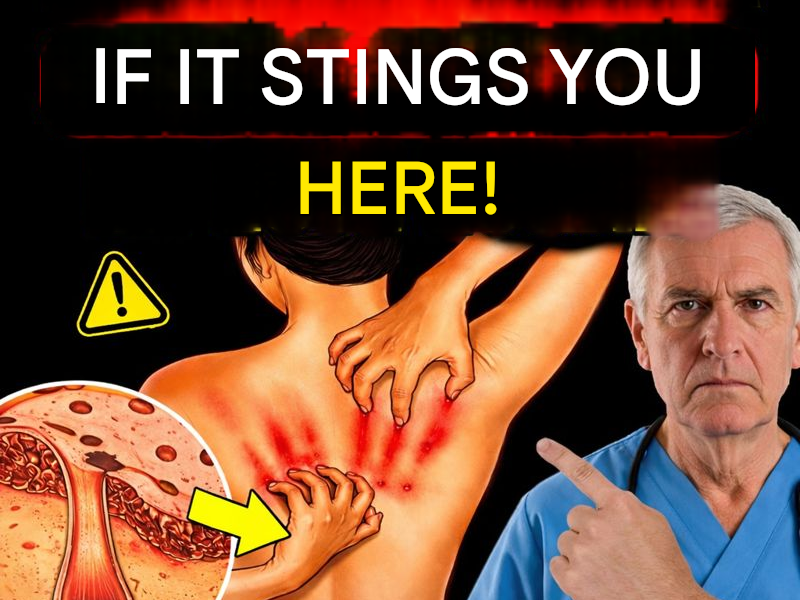
3 areas of the body with persistent itching that could be a warning sign and should not be ignored.

Itching is something that almost all of us have experienced at some point. We generally associate it with dry skin, weather changes, stress or some product that we did not like. We scratch, apply a cream and go on with our lives. However, not all itching is harmless.
In many cases, when the itching is persistent, intense, and doesn’t get better with regular creams, it can be a sign that something isn’t working well inside the body, especially in vital organs like the liver or kidneys. Ignoring these signs can have serious consequences.
Here are three specific areas of the body where itching can act as an early warning, and why it’s important to pay attention to them.
1. Persistent itching on legs, ankles, and shin shins
If you notice frequent itching in your lower legs, especially around your ankles and shins, accompanied by skin that is very dry, thin, or with brown patches, it’s not always just dryness.
This zone can alert you to:
- Venous circulation problems
- Fluid buildup (edema)
- Diabetes-related disorders
When blood doesn’t return properly to the heart, it pools in the legs and causes internal inflammation. This causes irritation from within, which manifests as intense itching that is difficult to relieve.
Important warning sign:
Press your finger on the ankle for a few seconds. If there is a sunken mark that takes time to disappear, there may be fluid retention and it is advisable to consult a doctor.
2. Itchy palms and soles of the feet (no rash)
This is one of the most ignored and, at the same time, most important signals.
When the palms of the hands or soles of the feet itch intensely, without redness or visible lesions, especially at night, it can be related to liver problems.
The liver produces substances necessary for the digestion of fats. If they don’t work properly, certain substances can build up in the blood and deposit in areas with many nerve endings, such as hands and feet, causing deep, burning, and desperate itching.
Key fact:
This type of itching doesn’t get better with scratching or regular creams, and it’s usually worse at night.
3. Generalized itching all over the body with no visible cause
When itching appears on different parts of the body — back, arms, torso — without apparent rashes, wounds, or allergies, it can be an early sign of kidney problems.
The kidneys filter waste from the blood. When they don’t do it efficiently, certain substances build up and can irritate nerve endings under the skin, creating a sensation described by many people as “pinpricks from within.”
This type of itching usually:
- Not soothing with scratching
- Persist for weeks or months
- Be accompanied by excessive tiredness or thirst
Why don’t creams work in these cases?
Because the problem is not in the skin, but in the blood.
The skin is only manifesting an internal overload. Therefore, applying scented creams or common products does not solve the origin of the problem and, in some cases, even worsens it.
Practical tips and recommendations
1. Notice the itch pattern
- Is it nocturnal?
- Does it always appear in the same area?
- Are there no visible injuries?
Writing down these details can help a lot in a medical consultation.
2. Take proper care of the skin
- Avoid common and scented soaps
- Use pH-neutral products
- Prefer creams with urea (between 5% and 10%)
- Avoid very hot showers
3. Reduces the body’s internal load
- Reduces the consumption of sausages and ultra-processed foods
- Avoid sugary drinks
- Prioritize fresh vegetables, simple foods, and water
- Reduce excessive salt consumption
4. Check immediately if any of these signs appear
- Itching accompanied by yellowing of the skin or eyes
- Itching with unexplained weight loss
- Itching along with intense thirst and frequent urination
These cases require urgent medical attention.
Persistent itching is not always a skin problem. Many times it is the body’s way of calling for help before a vital organ fails. Listening to those signals early can make a big difference in health and quality of life. When in doubt, do not ignore the symptom: observe it, take care of yourself and consult.
👉 Follow our page, like 👍, and share this post. Every click can make a difference—perhaps saving your own life or that of a loved one.