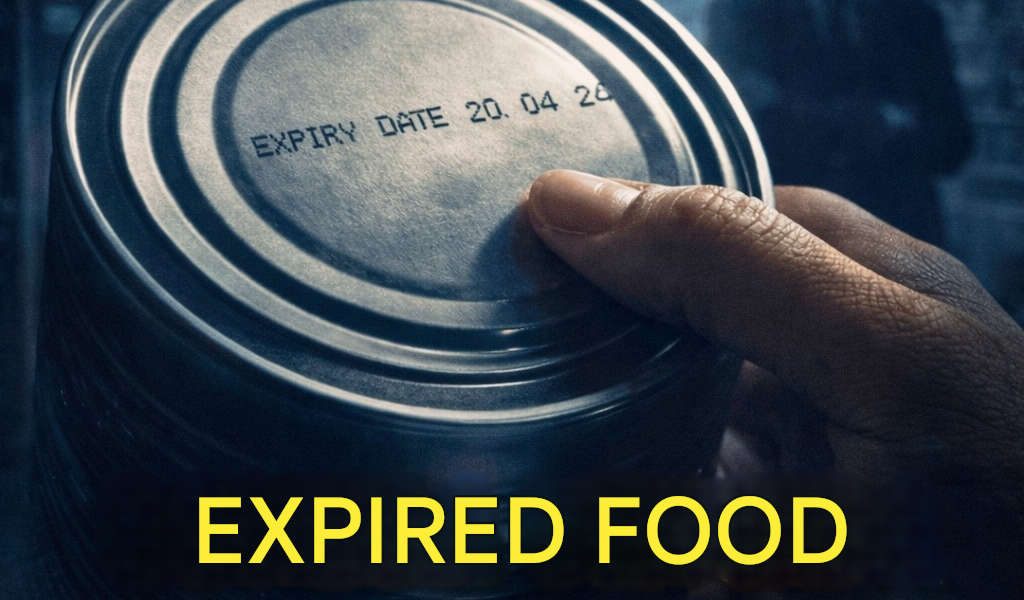
3 little-known aspects about expired food that should be better understood.
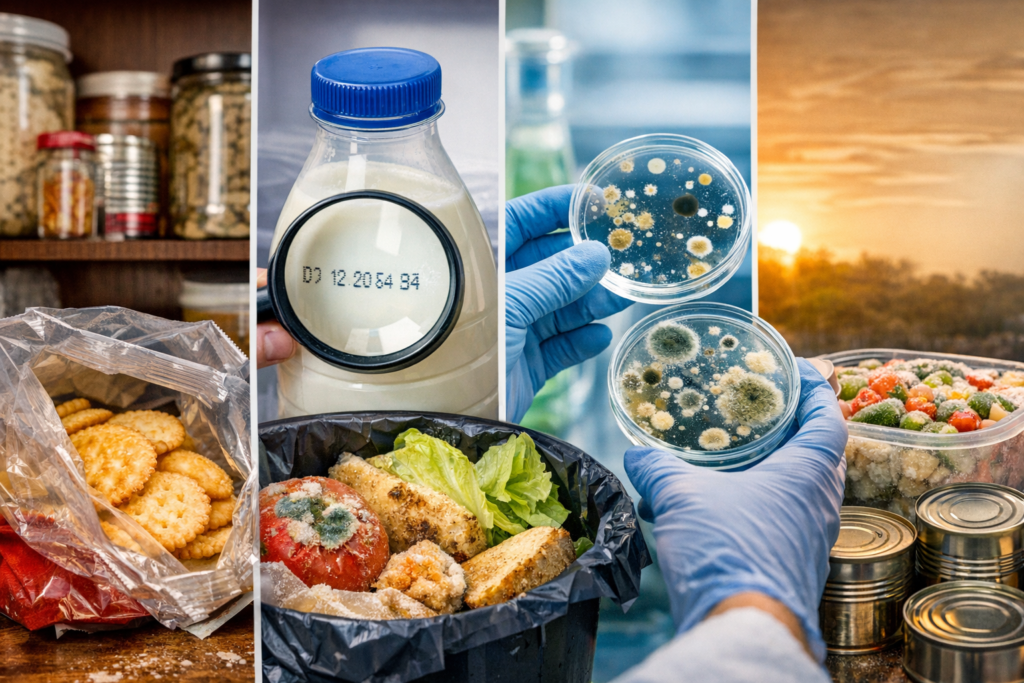
For years we were taught to blindly trust the expiration dates printed on food. For most people, that date marks a definite line between “safe” and “dangerous.” However, the reality is much more complex and, in many cases, less alarming than it seems.
Every time we open the pantry and find a product that exceeded its date, the question arises: is it really in bad condition or are we just reacting out of fear? Understanding how these labels work can completely change the way you consume, save, and reduce waste.
Truth 1: Due dates don’t always indicate danger
One of the biggest confusions is believing that all dates mean the same thing. In many products, the label does not indicate that the food is unsafe, but that the manufacturer guarantees its best taste, texture or quality up to that point.
In most cases, these dates are established with wide and conservative margins. They respond not only to health criteria, but also to commercial strategies that seek to accelerate the rotation of products and encourage new purchases. Therefore, a well-preserved food can still be suitable for consumption even after the indicated date.
Truth 2: Look and smell don’t always tell the whole story
Relying solely on the senses can be deceptive. There are bacteria that do not alter the smell, color, or taste of food, which means that a product may appear normal and still not be safe if it was mishandled or stored.
On the other hand, the opposite is also true: many foods can present slight changes in texture or aroma without representing a real risk. Therefore, in addition to observing and smelling, it is essential to consider how the product was preserved, if it was refrigerated correctly and if the packaging remained intact.
Truth 3: Some foods last much longer than you imagine
Frozen and canned foods are a clear example. These preservation methods are designed to extend the shelf life of products over long periods. In most cases, if the packaging is in good condition, with no dents, swelling, or leaks, the food can be consumed long after the printed date.
Disposing of these products automatically not only involves unnecessary expense, but also contributes to a global problem: food waste, which affects both the household economy and the environment.
Tips and recommendations
- Learn to differentiate between “expiration date” and “best before.”
- Always check the condition of the packaging before discarding a food.
- Maintain a correct cold chain to prolong the shelf life of products.
- Use common sense: if a food was stored poorly, it is better not to risk it.
- Organize your pantry and refrigerator to consume the oldest products first.
Due dates don’t always tell the whole truth. Informing yourself, observing, and making conscious decisions allows you to save money, reduce waste, and consume more responsibly. With knowledge, fear no longer controls your choices.
👉 Follow our page, like 👍, and share this post. Every click can make a difference—perhaps saving your own life or that of a loved one.