
What is St. John’s wort oil used for and how to use it, one of the most anti-inflammatory and antibacterial
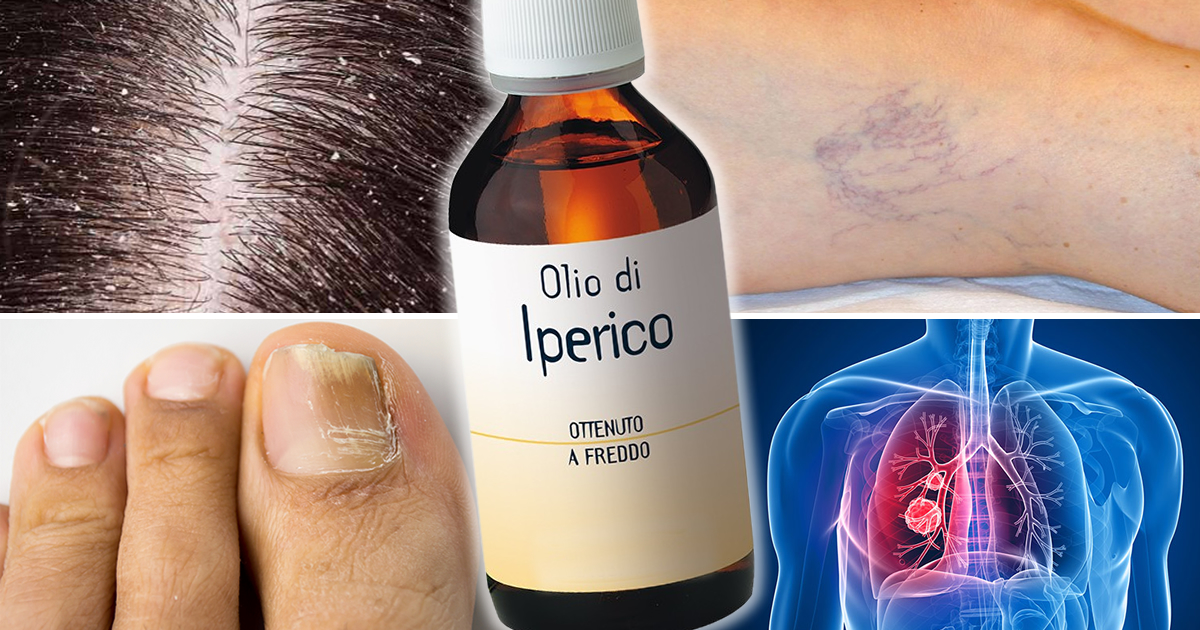
St. John’s wort oil is a product that is obtained through the maceration of St. John’s wort in a vegetable oil (e.g. olive oil). This excellent oil offers dozens of health benefits.
St. John’s wort (Hypericum perforatum) is a plant with yellow star-shaped flowers, which blooms in summer and is typical of temperate zones.
Pure St. John’s wort (in extract or oil), according to studies carried out in Austria and Germany, helps treat depression as much as medication.
This plant has been the subject of several studies, which have confirmed many of the therapeutic properties known in natural medicine.
Known mostly for its properties on the state of mind, St. John’s wort oil also offers the following benefits:
- it relieves mild pain such as menstrual, muscle and joint pain, thanks to its anti-inflammatory and analgesic properties;
- it contributes to the treatment of varicose veins and hemorrhoids, due to its vasodilatory properties;
- It can be useful in treating small wounds, acne and irritation. It has healing, repairing and antiseptic properties;
- It helps prevent and relieve digestive problems such as gastritis and diarrhea.
How do you use St. John’s wort oil?
St. John’s wort oil is used externally, by performing light circular massages on the skin. It can be combined with other pure essential oils, such as cypress or tea tree, to enhance its benefits.
It is suggested to apply St. John’s wort oil in the evening before going to sleep. Sun exposure can irritate the skin.
Share article
Important: This website does not give medical advice, nor does it suggest the use of techniques as a form of treatment for physical problems, for which medical advice is required. If you decide to apply the information contained in this site, you do not assume responsibility for it. The intention of the site is to be illustrative, not exhortative or didactic.