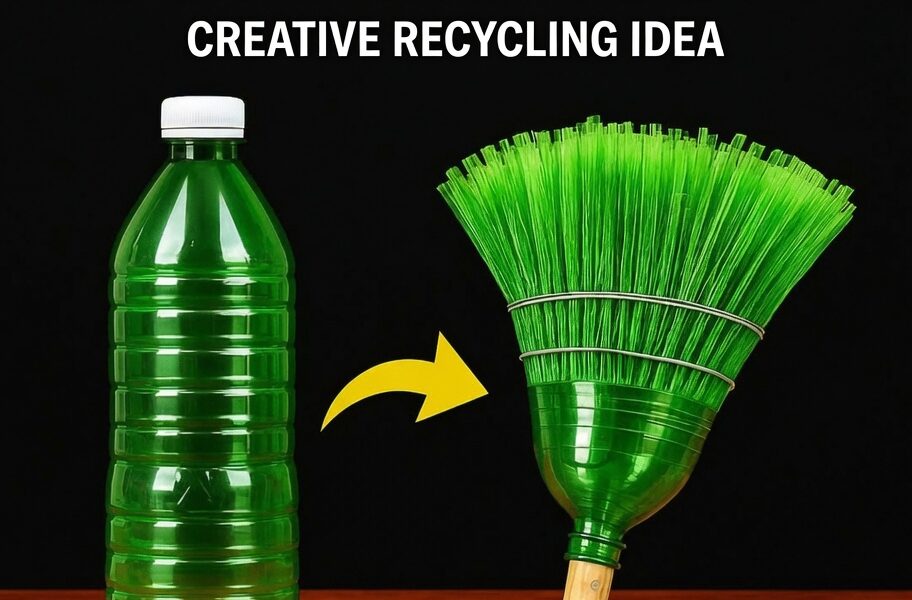
Practical ideas for recycling plastic bottles at home
Plastic bottles are one of the most common pieces of waste in homes. Millions are discarded around the world every day, generating a considerable environmental impact. However, with a little creativity and basic tools, it is possible to transform them into functional and decorative objects that help reduce waste and save money. Here’s a complete guide with ideas to give a second life to those containers that would normally end up in the bin.
Why you should recycle plastic bottles at home
Plastic takes hundreds of years to decompose, and a large portion of what is produced never makes it to recycling plants. Reusing it at home is a direct way to contribute to the environment, and it also encourages creativity, especially if children are involved in the process. Many of the ideas we’ll see require just scissors, a box cutter, glue, and some paint or decorative tape.
Key Benefits
- Reduction of plastic waste in the home.
- Economic savings by not buying new organizers or pots.
- Entertaining and educational activities for the whole family.
- Original and personalized decoration.
Home Organizing Ideas
One of the most practical uses of bottles is as organizers. By cutting off the top of a large bottle, you can create containers to store pencils, brushes, kitchen utensils, or small tools. If you decorate the exterior with washi tape, fabric or acrylic paint, you will get pieces that match the aesthetics of any environment.
Another interesting option is to join several bottle bases to assemble divided drawers. These are ideal for separating screws, buttons, threads or jewelry accessories. Simply stick them inside a shoebox for a functional and economical organizer.
Cosmetic bags and toiletry bags
By cutting two bottle bases of the same size and joining their edges with a metal closure, a small case can be made that is ideal for storing jewelry, coins or personal hygiene items during travel. It is a simple project that surprises with its usefulness.
Reuse in the garden
The garden is one of the spaces where plastic bottles offer the greatest versatility. They can be transformed into hanging pots by cutting them horizontally and drilling into the base for drainage. Painted in bright colours or decorated with animal shapes, they become an eye-catching decorative element for balconies and patios.
They also serve as drip irrigation systems. By drilling small holes in the cap and burying the bottle upside down near the plants, the water is slowly released, maintaining moisture for several days. This technique is especially useful in hot weather or when going on vacation.
Greenhouses and seedling guards
Transparent bottles cut in half work as mini greenhouses that protect seedlings from the cold and insects. They are simply placed on the young plant like a protective bell, creating an ideal microclimate for its growth.
Decorative and creative objects
With a little imagination, bottles can become real pieces of decoration. Some popular ideas include:
- Pendant lamps: by joining several colored bottles, chandelier designs are achieved that add a bohemian touch.
- Dividing curtains: the bases cut and joined with thread form light curtains to separate rooms.
- Painted vases: with spray paint and a few details, an ordinary bottle is transformed into a modern vase.
- Bird feeders: By piercing the bottle and adding a wooden spoon, you get a bird feed dispenser.
Ideas for the little ones
Children can participate in fun projects that also develop their creativity and environmental awareness. With bottles, homemade bowling pins can be made by filling each one with a little sand, decorative bowling alleys, piggy banks or animals, and even water rockets for school experiments.
Another very popular activity is to set up a game of basket, where the cut base of a bottle becomes the receiver and a cap tied to a thread serves as a ball. It’s simple yet addictive entertainment.
Safety tips when working with plastic bottles
Although these projects are simple, it is worth taking into account some precautions:
- Use scissors or a box cutter carefully, especially when children are involved.
- Sand the cut edges to prevent them from being sharp.
- Wash and dry bottles thoroughly before reusing them, especially if they contained sugary liquids.
- Avoid exposing reused bottles to very high temperatures if they are going to contain food or drinks.
A small gesture with a big impact
Recycling plastic bottles at home alone doesn’t solve the global waste problem, but every gesture counts. By transforming these containers into useful objects, not only is the amount of waste we generate reduced, but we also become aware of the value that the materials we usually discard can have. With creativity, patience and a few basic tools, anyone can turn a simple package into something functional, decorative or even educational. The next time you’re going to throw away a bottle, think about the many possibilities it offers before you get rid of it.